
Garden hose nozzle adjustable models solve a very real problem: one minute you need a gentle rinse for seedlings, the next you need enough pressure to blast dirt off patio pavers, and swapping attachments gets old fast. The catch is that “adjustable” can mean a few different mechanisms, and some work much better than others depending on your water pressure and how you actually use a hose.
If you’re shopping, you’re probably trying to avoid three common headaches: a nozzle that leaks at the connection, a spray that’s either too harsh or too weak, and a trigger that becomes uncomfortable after a few minutes. This guide helps you sort the choices quickly, then fine-tune your pick based on real-world yard tasks, not marketing buzzwords.
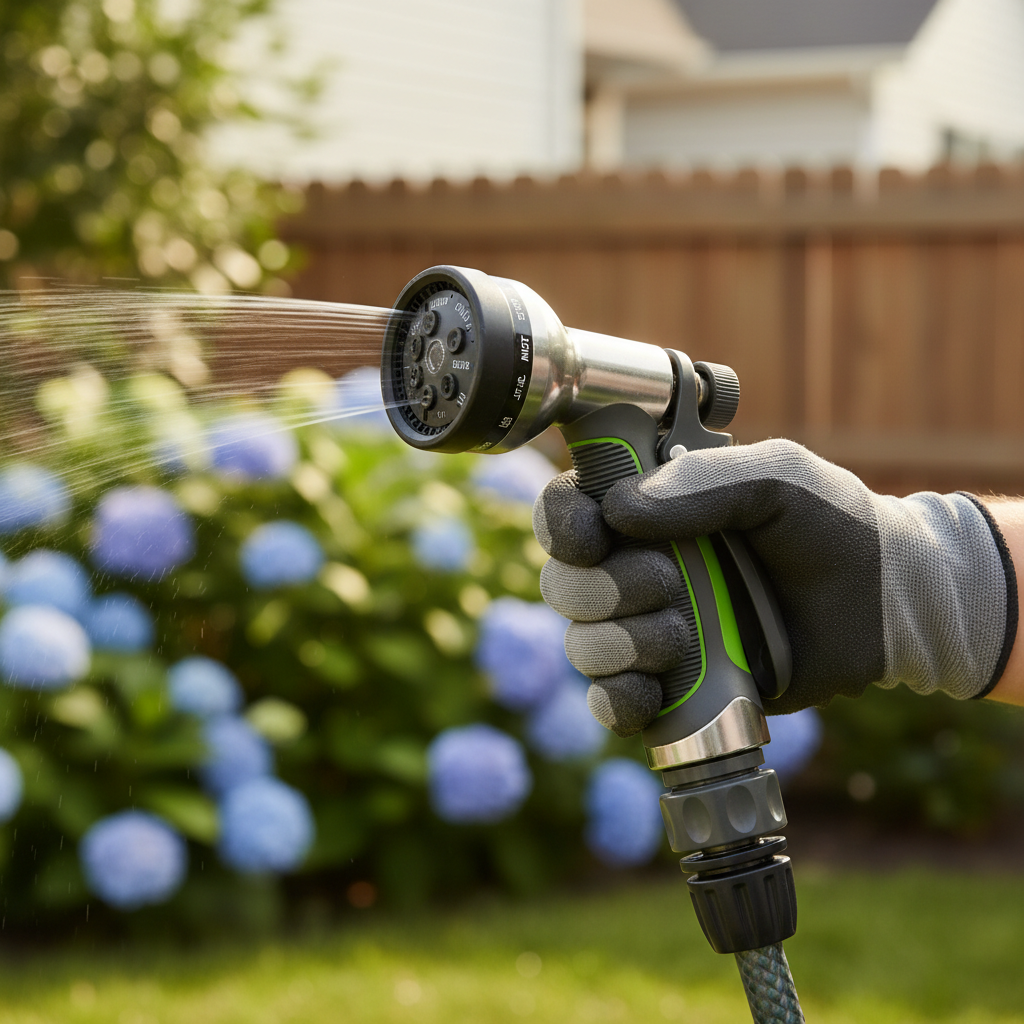
One more thing people miss: the best nozzle for washing a car is often not the best nozzle for watering beds. A solid adjustable sprayer can cover both, but only if the pattern control is predictable and the build doesn’t fight your grip. Below, I’ll lay out the main types, a quick self-check, and a practical “pick-by-task” approach.
What “adjustable” really means (and why it matters)
Most adjustable nozzles change flow in one of three ways, and the feel in your hand can be completely different.
- Twist/barrel control: You rotate the front to go from a fine mist to a stronger stream. Simple, usually durable, but it can be fiddly with wet hands or gloves.
- Multi-pattern dial: A rotating ring clicks through labeled patterns (shower, jet, flat, soaker, etc.). Fast switching, easier to repeat the same setting, but cheaper dials can jam with grit.
- Thumb-control valve (with patterns): A thumb lever adjusts flow while a dial sets pattern. Great for comfort, but more seals and moving parts mean more places to leak if quality is low.
In practice, “adjustable” is less about having 10 patterns and more about whether you can reliably hit two or three useful settings without overshooting. If you mostly water plants, consistent “shower” and “mist” matter more than a paint-stripping “jet.”
Why adjustable nozzles leak, wear out, or spray poorly
When a nozzle disappoints, the root cause usually lands in a few predictable spots.
- Worn or cheap washers: The rubber washer at the hose connection flattens, cracks, or was thin to begin with, leading to dripping at the coupling.
- Plastic threads on metal hoses (or vice versa): Cross-threading happens easily, and once threads deform, you chase leaks forever.
- Mineral buildup: Hard water can leave deposits that affect a garden hose nozzle adjustable head, especially “mist” and “shower” patterns with small ports.
- High pressure and water hammer: Sudden shutoff can stress seals. If your area has strong municipal pressure, lightweight triggers and internal O-rings tend to fail sooner.
- Grit and sand: If you leave the nozzle on the ground, a dial-style head can grind and stop clicking cleanly.
According to EPA, household leaks can waste significant water over time, and outdoor hose fittings are a common place people notice drips first. Even small leaks are worth fixing because they’re easy wins.
Quick self-check: what kind of nozzle do you actually need?
Before you buy another “do-everything” sprayer, use this as a quick filter. Your answers point to a better match.
- Main jobs: watering beds, container plants, lawn spot-watering, car washing, pet rinsing, patio cleanup
- Hand comfort: do you squeeze a trigger for 10+ minutes at a time, or mostly short bursts?
- Water pressure feel: strong and punchy, average, or weak (long hose run, well system, older spigot)
- Shared use: will kids or multiple adults use it and need “idiot-proof” settings?
- Storage habits: left outside in sun/freeze, or stored in a shed/garage?
If you regularly water for longer stretches, comfort controls matter as much as spray patterns. If your pressure is already low, you want a nozzle that doesn’t restrict flow more than necessary, some “feature-packed” heads do.
Choosing by use case: patterns and features that matter
Here’s the straightforward way to choose without overthinking it: match the pattern to the job, then pick the control style you’ll actually use.
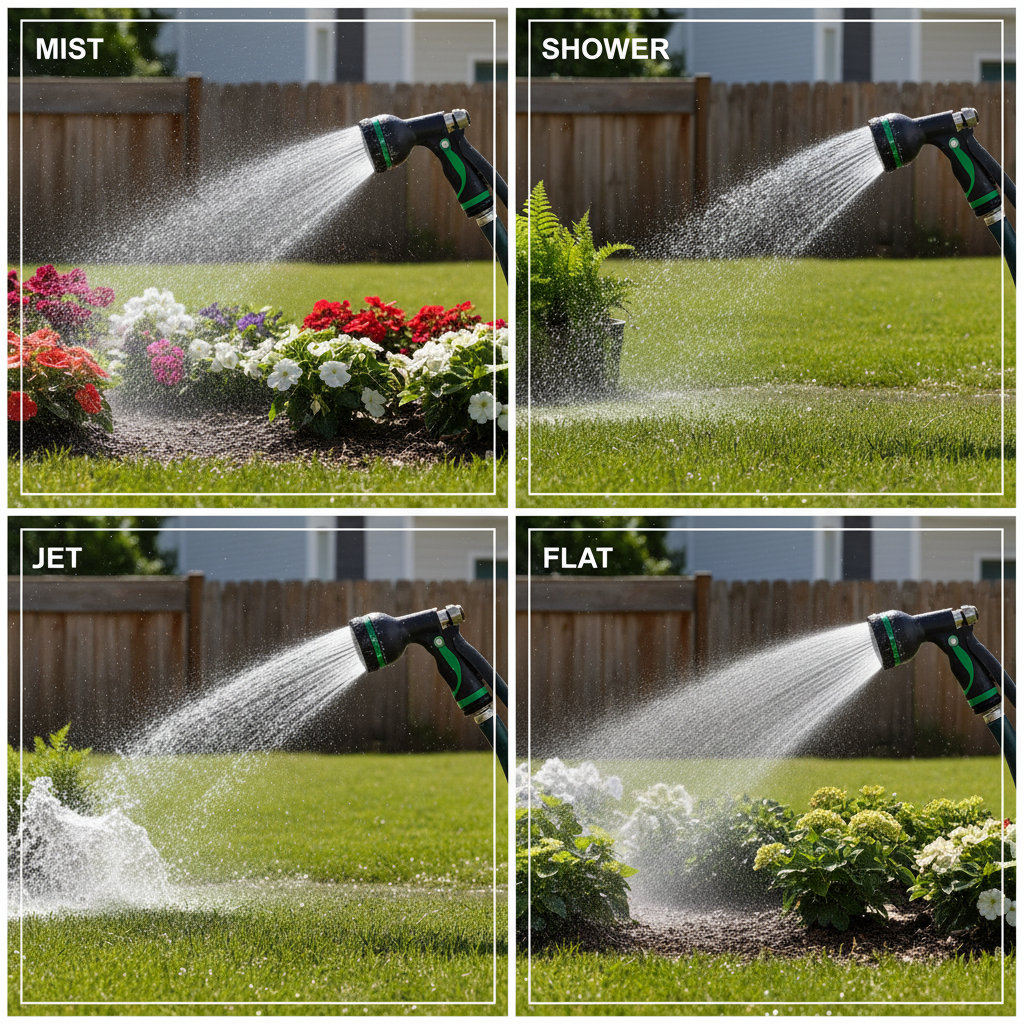
For garden beds and new plants
- Look for: shower, gentle flat, and mist that stays even (no harsh center spike)
- Avoid: nozzles where “shower” is still aggressive, it can disturb soil and splash mulch into stems
- Nice-to-have: a flow control you can set and forget, so you’re not death-gripping a trigger
For containers and hanging baskets
- Look for: a tighter shower and a controllable stream for reaching the soil without soaking leaves
- Nice-to-have: a thumb valve for small adjustments while you move pot to pot
For car washing and outdoor furniture
- Look for: fan/flat and shower, plus a smooth “rinse” stream
- Be careful with: jet settings, they can push grit across paint and cause micro-scratches in some situations
For patios, wheels, and tough grime
- Look for: a true jet plus a solid metal or reinforced front end
- Reality check: a hose nozzle won’t replace a pressure washer, but it can handle everyday dirt if the stream stays tight
Material and build quality: the stuff you feel after two weeks
Two adjustable nozzles can look identical online and behave very differently once you’re using them daily. Here’s what tends to matter.
- Metal body or reinforced core: typically survives drops and UV better than thin plastic shells.
- Comfort grip: rubberized surfaces help, but check that grip doesn’t feel “squishy” or loose at the seams.
- Seals and O-rings: a good garden hose nozzle adjustable design relies on decent internal seals; if the trigger area starts weeping early, seals are often the culprit.
- Standard threads: most U.S. hoses use 3/4 in. GHT. If a listing is vague about compatibility, that’s a yellow flag.
According to ASABE (American Society of Agricultural and Biological Engineers), equipment used in agriculture and landscaping often emphasizes durability and maintainability, which maps well to what you want in homeowner-grade watering tools too: parts that hold up and are easy to service.
Comparison table: common nozzle types at a glance
If you’re stuck between styles, this table usually breaks the tie.
| Type | Best for | Pros | Watch-outs |
|---|---|---|---|
| Twist/barrel adjustable | Simple watering, rinsing | Fewer parts, often durable | Harder to repeat exact setting, can slip with gloves |
| Multi-pattern dial | Mixed tasks, families | Fast switching, consistent patterns | Dials can jam with sand, some patterns feel gimmicky |
| Thumb-control + dial | Long watering sessions | Less hand fatigue, quick flow changes | More seals, quality matters more to avoid leaks |
| Fireman-style (high flow) | Cleanup, large areas | Strong flow, rugged build | Can be too forceful for plants, heavier in hand |
Practical setup and troubleshooting (so it performs like it should)
Even a good nozzle can act “bad” if the connection and hose setup are working against it. These steps fix most issues without buying anything else.
- Fix drips at the spout: replace the hose washer first. It’s cheap, and it solves a surprising amount of leaking.
- Use thread tape only when appropriate: many GHT connections seal with a washer, not tape. Tape can help on some fittings, but it can also make threading feel tight and lead to cross-threading.
- Flush grit out: remove the nozzle, run water for a few seconds, then reattach. This helps if the pattern dial suddenly feels “crunchy.”
- Descale if mist looks uneven: soak the front end in a mild vinegar-water mix, then rinse. If your nozzle has metal finishes, don’t leave it soaking forever, quick soak and check.
- Check hose kinks and diameter: a long, narrow hose can make an adjustable sprayer feel weak. Sometimes the “problem” is the hose run, not the head.
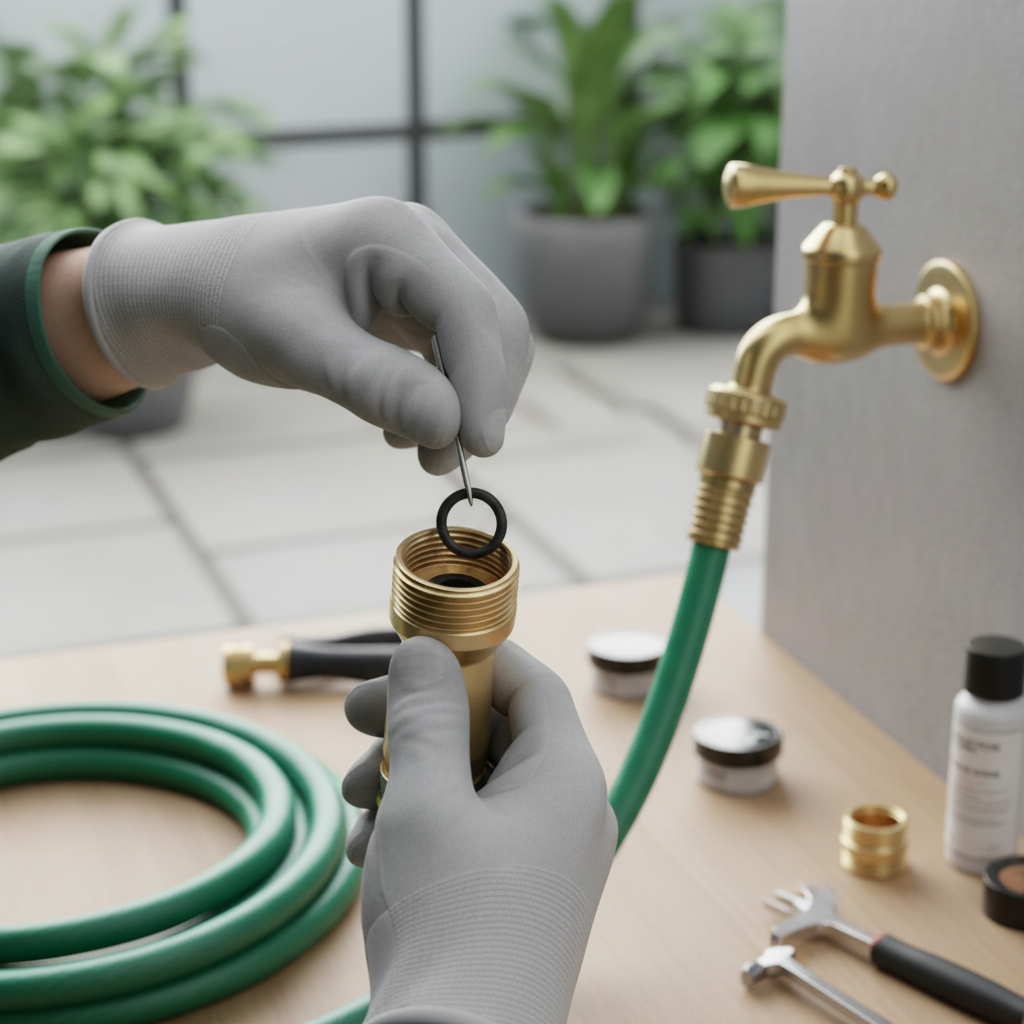
Key takeaway: if you’re seeing leaks, start with washers and thread alignment before blaming the nozzle. If the nozzle leaks from the trigger body, that’s more often internal seals, and replacement may be the sensible path.
Safety, comfort, and what not to do
A nozzle seems harmless, but a few habits prevent frustration and small injuries.
- Don’t use “jet” on delicate plants: it can damage stems and compact soil.
- Be cautious around kids and pets: strong streams can irritate eyes or ears; keep pressure modest when spraying close.
- In freezing weather: disconnect and drain. Freeze-thaw cycles can crack housings and stress seals.
- Avoid leaving it pressurized: keeping the hose under pressure all day can shorten seal life in many designs.
If you have unusually high water pressure, frequent water hammer, or you’re unsure about plumbing adjustments, it’s reasonable to consult a plumber or irrigation professional rather than forcing fittings to “make it work.”
Conclusion: a smarter way to buy an adjustable nozzle
A garden hose nozzle adjustable pick works best when you choose it from your most common tasks, then verify comfort and build quality, not when you chase the highest pattern count. If you water plants often, prioritize a predictable shower and an easy hold; if you do cleanup, prioritize flow and durability.
Action steps: write down your top two hose jobs, then choose the control style you’ll actually use with wet hands. After purchase, replace the washer on day one and store the nozzle out of sun and freezing weather when possible, it’s boring advice, but it keeps performance consistent.
FAQ
- What does “garden hose nozzle adjustable” usually mean in listings?
It typically means either a twist head that varies spray shape and flow, or a dial that switches preset patterns. If the listing doesn’t say which, check photos for a rotating ring with labels versus a tapered twist barrel. - Why does my adjustable nozzle leak at the hose connection?
Most of the time it’s a flattened or missing washer, or cross-threading. Try a new washer first, then reattach carefully so threads catch smoothly before tightening. - Is metal always better than plastic?
Not always, but metal-bodied nozzles often tolerate drops and sun better. The more important part is seal quality and thread fit, a well-made reinforced plastic nozzle can still last. - How many spray patterns do I actually need?
For many yards, 3–5 useful modes beat 10 rarely used ones. A good shower, a controlled stream, and a jet or flat fan covers most everyday tasks. - My mist pattern looks uneven, is the nozzle defective?
It might be mineral buildup or grit. Remove the nozzle, flush the hose, and consider a short vinegar-water soak on the spray face, then rinse and test again. - Can a nozzle increase water pressure?
No, it can only shape flow. Some settings feel stronger because they concentrate the stream, but if your source pressure is low, a restrictive head can make it feel worse. - What’s the easiest adjustable nozzle for hand fatigue?
Many people find thumb-control flow valves easier than constant trigger squeezing, especially for longer watering sessions. Fit in your hand matters, so if possible, choose based on grip size and trigger tension.
If you’re trying to narrow down options fast, focus on a nozzle with a dial or twist control you can operate one-handed, solid threads that match your hose, and just the patterns you’ll truly use, it’s a more reliable path than buying the most complicated head on the shelf.