
Cut off wheel thin metal cutting is usually where people run into the same frustrations: warped sheet, burned paint, wheels that shatter early, and cuts that drift off line even when your hands feel steady.
The good news is you rarely need a “stronger grinder” to fix it, you need a wheel that matches the metal, the tool speed, and the way you’re feeding the cut. Once those three line up, thin metal becomes predictable instead of stressful.
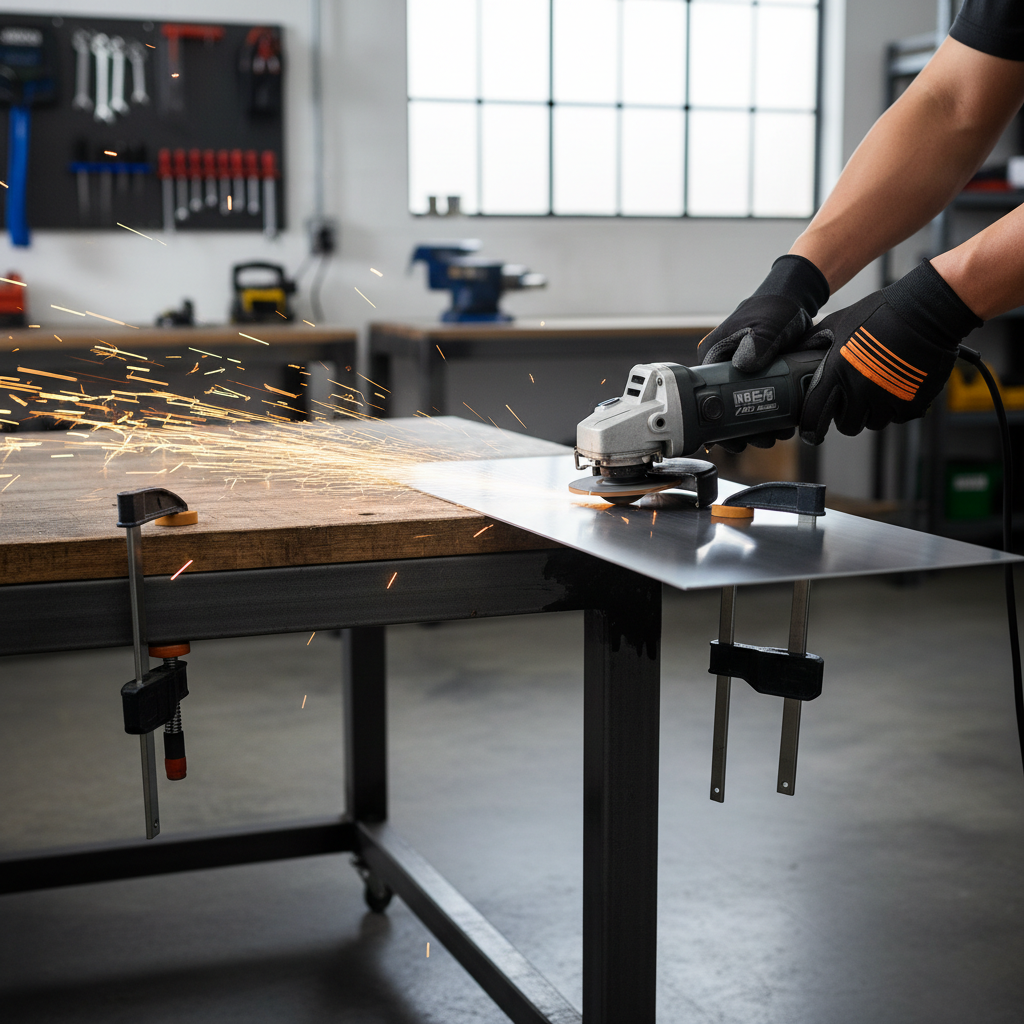
If you’re buying wheels online, it also gets confusing fast, thickness (0.040 vs 0.045 vs 1/16), abrasive type, stainless “safe for inox” claims, arbor sizes, and a stack of safety labels nobody reads. This guide keeps it practical: how to pick the right thin wheel, how to use it without chewing up the workpiece, and when to switch methods.
Why thin metal cuts go wrong (and it’s not always the wheel)
Thin stock punishes small mistakes because there’s not much material to absorb heat or resist vibration, so issues show up quickly.
- Heat buildup: lingering in one spot overheats the edge, causing discoloration, warping, or a “blue” heat tint on stainless.
- Wheel deflection: side pressure bends the wheel slightly, the kerf wanders, and you get a tapered cut.
- Wrong wheel bond or abrasive: some wheels glaze over on certain metals, they stop cutting and start rubbing.
- Tool RPM mismatch: a wheel rated below your grinder’s no-load speed is a real risk, and it also performs poorly.
- Workpiece movement: sheet or tube that “sings” and vibrates makes the cut chatter, edges come out jagged.
According to OSHA, abrasive wheel tools require guarding and safe operation practices to reduce injury risk, so treat wheel selection and setup as part of safety, not just “cut quality.”
Choosing the right thin cut-off wheel: what matters most
Ignore marketing first and lock in the basics, because most failures come from mismatch, not bad luck.
Wheel thickness and why it changes the cut
For thin metal, a thinner wheel often cuts faster with less heat because it removes less material. But thinner also means less tolerance for twisting or side load.
- 0.035–0.045 in: common for sheet metal, EMT, thin tube, fast and clean when your technique is controlled.
- 1/16 in (0.0625): a little more durable when you expect slight misalignment or tougher steels.
Abrasive type and “stainless-safe” claims
If you cut stainless, look for wheels labeled for stainless or “INOX.” The practical reason: many of those wheels are formulated to reduce contaminants that can contribute to surface issues on stainless in some applications. In fabrication shops, this matters more when the part will be finished, polished, or used in corrosive environments.
Size, arbor, and RPM rating (non-negotiable)
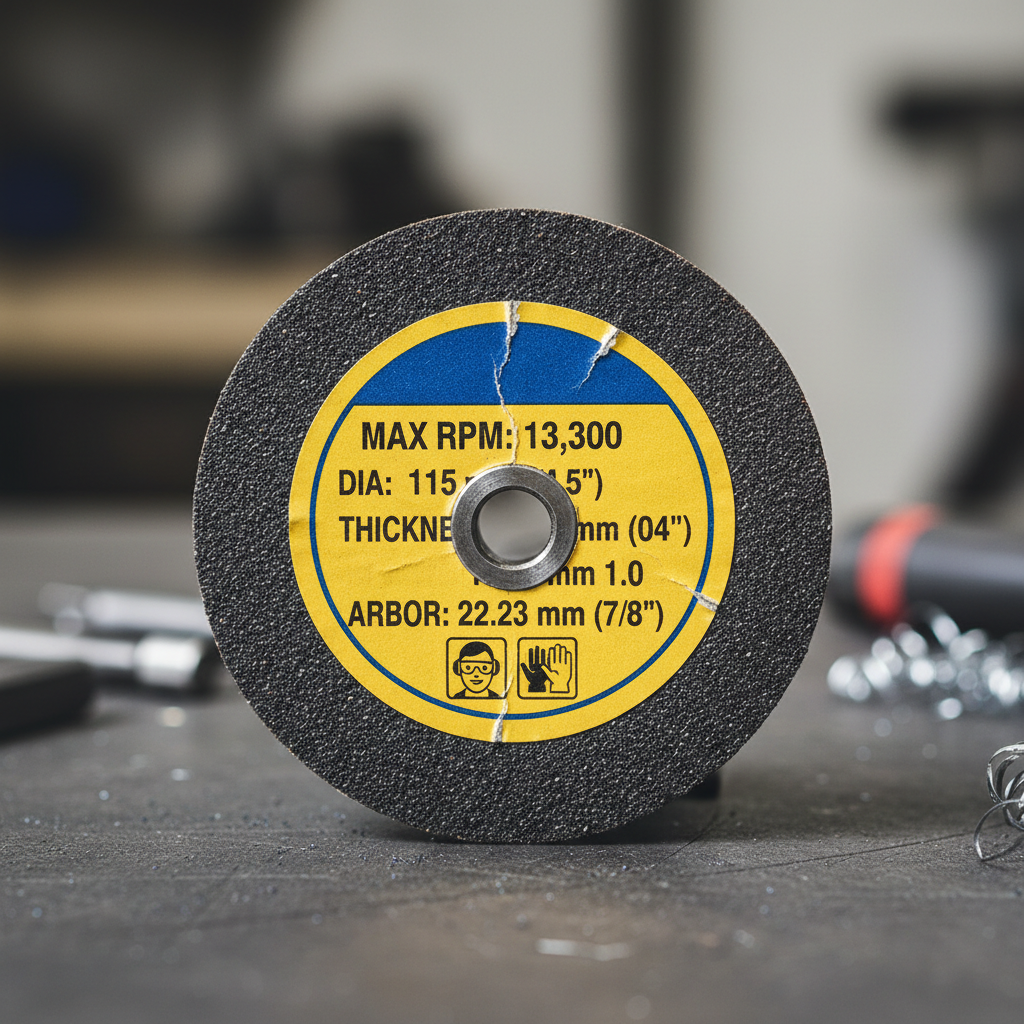
Match wheel diameter and arbor size to your tool, then confirm the wheel’s maximum RPM is at or above the grinder’s RPM. If anything looks off, don’t “make it fit.”
- Common angle grinder sizes: 4-1/2 in and 5 in wheels with 7/8 in arbor
- Cut-off saw sizes: often 12–14 in wheels, different tool category, different wheel type
Quick self-check: are you using the wrong setup?
This is the fast way to diagnose before you buy another pack of wheels.
- Your cut edge turns dark blue or straw-colored on stainless, and you smell “hot metal” quickly
- The wheel stops throwing sparks and starts squealing, like it’s skating
- You see a wider kerf at the top than the bottom, even with a straight start
- Wheels wear down unusually fast, or the edge chips early
- The sheet vibrates or lifts, even though it’s clamped “enough”
If two or more feel familiar, your cut off wheel thin metal cutting results will improve more from clamping, feed rate, and wheel choice than from pressing harder.
Technique that actually produces clean cuts on thin metal
Most people know “don’t force it,” but the real trick is controlling angle, contact length, and heat.
Set up the work so it can’t chatter
- Support both sides of the cut, not just one end, thin sheet loves to vibrate.
- Use a sacrificial backer where possible, a scrap flat bar under the cut line helps.
- Clamp close to the cut, wide jaws or a second clamp reduces ringing.
Start the groove, then let the wheel track
- Make a shallow scoring pass to establish the kerf.
- Keep the grinder square to the cut, twisting is what snaps thin wheels.
- Maintain steady forward motion, if sparks fade, you’re rubbing not cutting.
Manage heat without overthinking it
On very thin sheet, short passes work better than one long, committed plunge. If the part is cosmetic, pausing 2–3 seconds between passes can help reduce heat tint. Coolant isn’t always appropriate for abrasive wheels, follow wheel and tool guidance, and if you’re unsure, ask the wheel manufacturer or a shop supervisor.
Wheel selection cheat sheet (thin steel, stainless, aluminum)
Not every shop agrees on one “best” wheel, but this table reflects what typically works in the field when you want predictable results.
| Material | Common thin wheel thickness | What to prioritize | Common mistakes |
|---|---|---|---|
| Mild steel sheet/tube | 0.040–0.045 in | Fast cut, stable tracking | Pushing too hard, poor clamping |
| Stainless steel | 0.040–1/16 in | INOX-rated wheel, heat control | Using contaminated wheel, lingering in one spot |
| Aluminum (thin) | Depends on wheel spec | Wheel rated for non-ferrous use | Using a wheel that loads up, forcing the cut |
Aluminum can load (clog) some abrasives quickly. If you cut a lot of non-ferrous, consider methods like carbide blades designed for that use, and follow the tool maker’s recommendations.
Safety and common mistakes that waste wheels (and time)
Thin wheels feel “easy,” which is exactly why people get casual with them. A few habits prevent most scary moments.
- Don’t side-grind with a cut-off wheel, they’re not built for lateral pressure.
- Use the guard and position it between you and the wheel where possible.
- Check wheel condition: chips, cracks, moisture damage, or a wheel dropped on concrete is a pass.
- Let it reach full speed before contacting metal, it reduces grabbing.
- PPE: eye and face protection, hearing protection, gloves that still allow control, and avoid loose clothing.
According to ANSI standards commonly referenced for abrasive wheels, proper mounting and operating speed limits are core safety factors, and many wheel manufacturers align their labels and instructions around those expectations.
Practical buying tips for the U.S. market
If you’re stocking a garage or small shop, buying the “biggest mixed pack” often leads to using the wrong wheel just because it’s there.
- Buy by job: one thin pack for sheet/tube work, one tougher pack for thicker sections.
- Look for clear specs: diameter, thickness, arbor, max RPM, material compatibility.
- Store them like you care: dry area, flat stacking, avoid crushing in a toolbox.
When you find a wheel that behaves well on your usual metal, stick with it for that task. Consistency beats constantly changing brands and wondering if it’s you or the consumable.
Key takeaways (keep this short list handy)
- Thin wheels cut fast, but they punish twisting and side load.
- Clamping and support matter as much as wheel choice on sheet metal.
- Match RPM ratings every time, it’s performance and safety.
- Heat control comes from steady feed and short passes, not brute force.
Conclusion: cleaner cuts come from matching wheel, metal, and technique
When cut quality is disappointing, the fastest fix is usually a tighter setup and a more appropriate wheel thickness, not more pressure. Pick a wheel that matches your material, confirm the speed rating, support the work so it can’t chatter, and keep the grinder tracking straight.
If you want a simple next step, choose one thin wheel type you’ll dedicate to your most common metal, then practice the “score pass + steady feed” approach on scrap for five minutes, it typically pays off immediately.
FAQ
What thickness is best for a thin metal cut-off wheel?
For many thin steel jobs, 0.040–0.045 in is a solid baseline because it cuts quickly without feeling paper-thin. If your cuts wander or you’re new to grinders, a 1/16 in wheel can feel more forgiving.
Why does my cut-off wheel burn the edge on sheet metal?
Usually it’s dwell time: you’re rubbing in one spot, not advancing the cut. A lighter, steadier feed and better clamping reduce heat, and a thinner wheel can help because it removes less material per pass.
Can I use the same thin cut-off wheel for stainless and mild steel?
Many people do, but if the finish or corrosion resistance matters, it’s often safer to use a wheel labeled for stainless to reduce contamination concerns. In production or critical work, shops commonly separate consumables by material.
Why do thin cut-off wheels break so easily?
The most common cause is side pressure, even a small twist while you’re mid-cut. Work support helps, and making a shallow scoring pass first reduces the urge to steer the wheel.
Is a higher RPM grinder always better for thin metal?
Not necessarily. What matters is that the wheel’s max RPM meets or exceeds the tool’s speed, and that you can control the tool smoothly. A controllable grinder with the right wheel often beats a more powerful one used aggressively.
How do I get straighter cuts without a chop saw?
Clamp a straightedge as a guide where it’s safe and practical, score the line, then deepen it in controlled passes. For tubing, a wrap-around marking guide helps keep the line square before you cut.
Can I cut aluminum with an abrasive cut-off wheel?
Sometimes, but loading can be an issue depending on the wheel formulation. If you cut a lot of aluminum, look for wheels rated for non-ferrous use or consider a blade designed for aluminum, and follow the manufacturer’s instructions.
If you’re trying to standardize your shop setup for cut off wheel thin metal cutting and want fewer trial-and-error purchases, it can help to list your top three materials and thicknesses first, then choose wheels around those jobs instead of buying generic assortments.