
The best lopper for thick tree branches is the one that matches your branch diameter, wood hardness, and how long you can comfortably work without your hands and shoulders hating you afterward.
People usually get stuck because “thick branches” can mean very different things in a U.S. yard, 1-inch green growth on a crepe myrtle is not the same job as 2-inch seasoned oak, and the wrong tool turns a clean cut into a crushed, splintery mess.
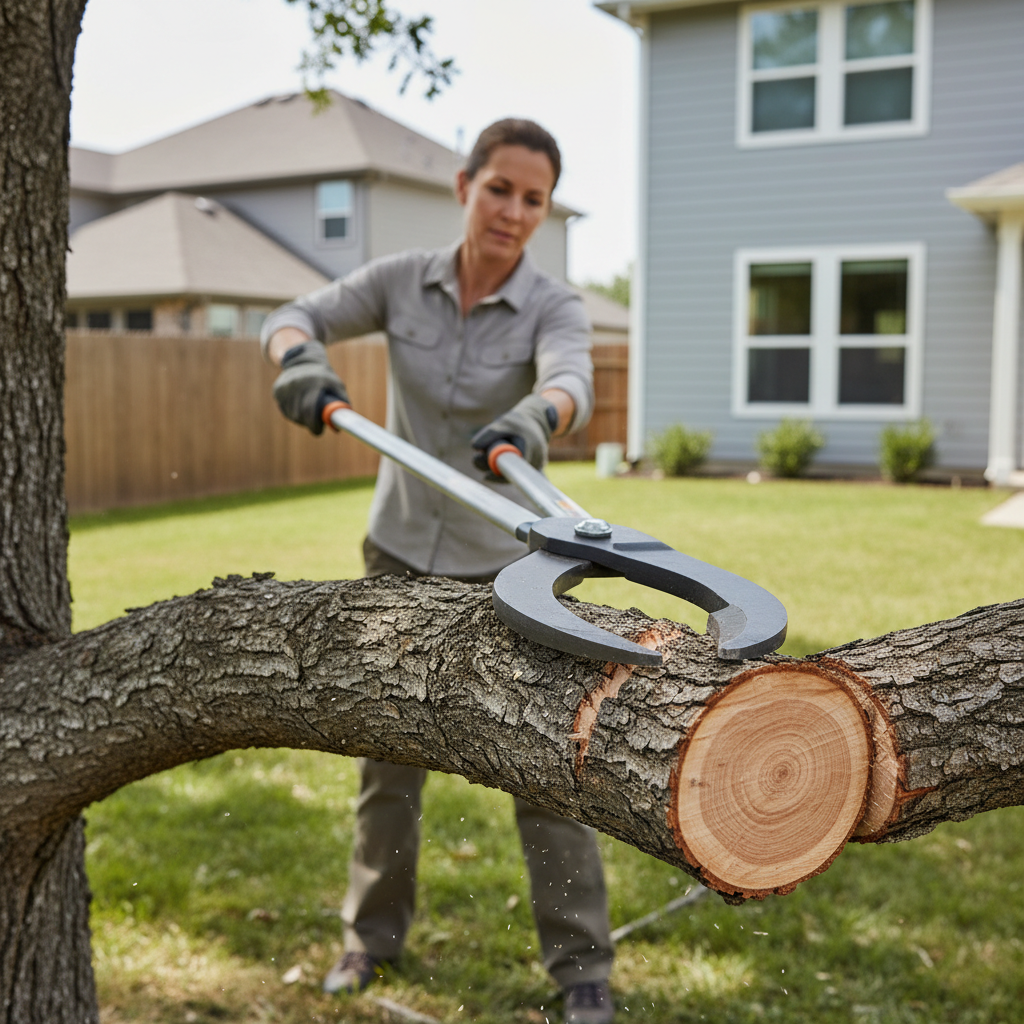
This guide helps you pick the right style, understand real cutting capacity, and avoid common buying traps, plus a practical checklist so you can decide fast without overpaying for features you will not use.
What “Thick Branches” Really Means (and why it changes the tool)
Most loppers advertise a maximum cut diameter, but in real yards, the effective limit often depends on wood type, branch angle, and whether the branch is green or dry.
- Up to ~1.25 in: many standard bypass loppers handle this comfortably on green wood.
- ~1.25–1.75 in: this is where gear-driven or compound loppers start to feel “worth it.”
- ~1.75–2 in: many homeowners can still do it with the right tool, but technique matters a lot, and pruning saws often become the smarter choice.
- Over ~2 in: a pruning saw or small chainsaw is usually more realistic than forcing a lopper and risking a bad cut or injury.
According to International Society of Arboriculture (ISA) guidance on pruning practices, clean cuts and correct tools help reduce damage to the tree and lower the chance of decay entering through torn wood.
Types of Loppers: Which one makes thick cuts easier?
There are three main lopper styles you will see for thicker limbs, each with a “best use” that matters more than brand names.
Bypass loppers (scissor-style)
Best for live, green branches because they slice cleanly, which matters for tree health and looks.
- Pros: cleaner cut, less crushing, generally better for pruning trees and shrubs.
- Watch-outs: cheap blades can flex or nick on hard wood, and thick dry limbs can feel like a brick.
Anvil loppers (blade onto a flat surface)
Often better for dead or dry wood because the anvil supports the branch, but they can crush live tissue.
- Pros: can feel powerful on dead limbs, sometimes cheaper.
- Watch-outs: can bruise live branches, not ideal for “pretty” pruning on ornamentals.
Compound / geared loppers
These multiply force with gears or linkages, which is the main reason many people call them the best lopper for thick tree branches when they want to stay manual.
- Pros: noticeably less effort, especially near the upper end of the rated diameter.
- Watch-outs: heavier, more moving parts, sometimes slower rhythm if you do lots of quick cuts.
Quick Comparison Table: what to look for (without getting lost)
If you want a fast shortlist, this table is usually enough to narrow down the right category before you even compare models.
| What you need | Good match | Why it works | Common mistake |
|---|---|---|---|
| Clean cuts on living branches | Bypass, preferably geared | Slices instead of crushes | Buying anvil because it “sounds stronger” |
| Dead, brittle limbs | Anvil or geared bypass | Support + force helps prevent slipping | Using dull bypass blades and fighting splinters |
| 1.5–2 in hardwood (occasional) | Compound/geared lopper | More leverage, less strain | Believing max diameter applies to all woods |
| Over 2 in or awkward angles | Pruning saw (often) | Safer, cleaner, more efficient | Forcing a lopper and tearing bark |
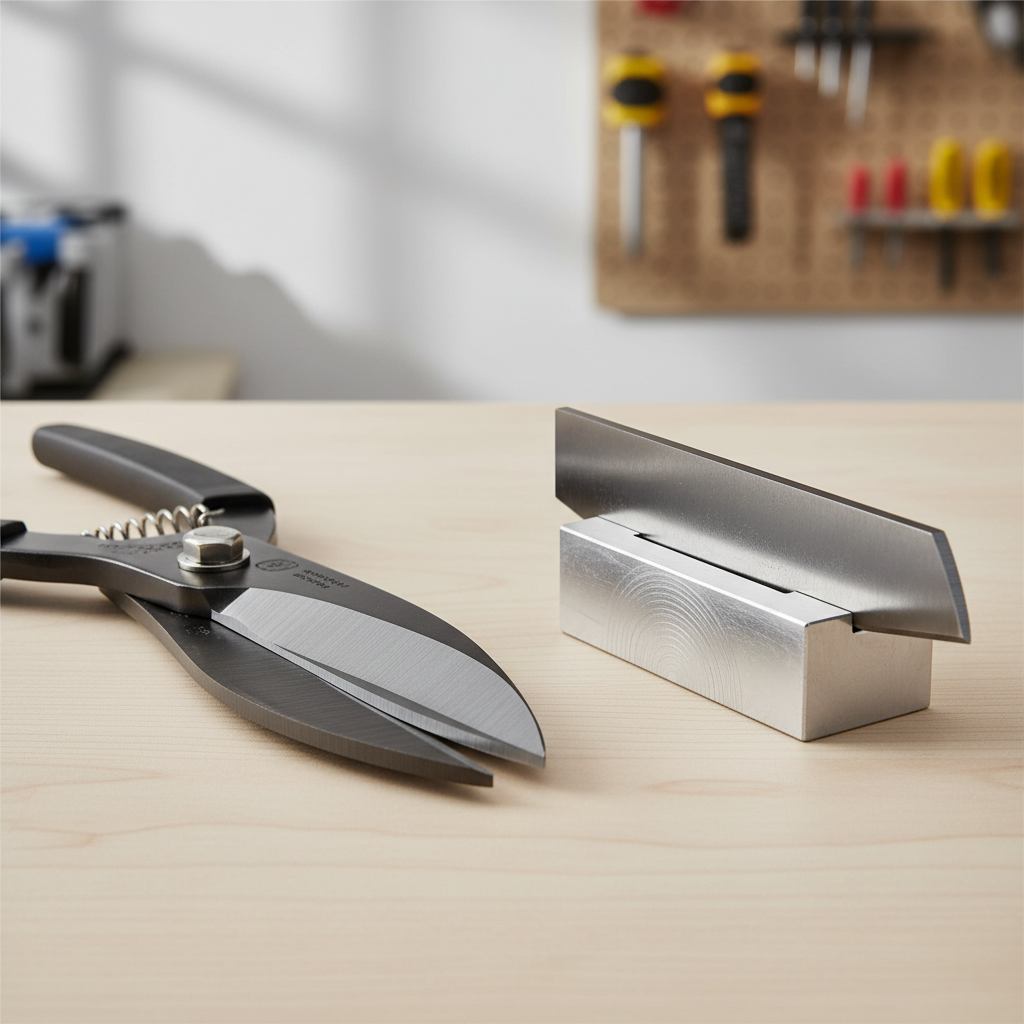
Buying Criteria that actually matter for thick branches
Marketing words get loud in this category, but a few specs genuinely change your experience, especially when branches get tougher.
- Real cutting capacity: treat the printed max as “best case” on green wood, for harder wood assume you may need margin.
- Blade material and coating: quality steel holds an edge longer, coatings help reduce sap sticking, which keeps cuts consistent.
- Gear/compound mechanism: if your shoulders complain, this matters more than fancy grips.
- Handle length: longer handles add leverage but can feel awkward in tight canopies, many homeowners land around 24–32 inches.
- Weight balance: heavy heads tire wrists, especially overhead, “lighter” can outperform “stronger” in real use.
- Replacement parts: blades, bolts, bumpers, and springs are the difference between a 1-season tool and a 5-year tool.
- Grip and shock bumpers: thick cuts often end with a snap, bumpers reduce the jolt that makes you stop early.
Key point: if you are regularly near the top of the rated diameter, a geared lopper is usually the more honest purchase than “extra sharp” standard models.
Self-check: Are you buying a lopper, or do you really need a saw?
Before you shop, answer these quickly, it prevents the classic cycle of buying a lopper and then still needing a saw.
- Most branches you plan to cut are under 1.5 inches in diameter.
- The cuts are mostly green/live rather than dead and brittle.
- You can position the jaws square on the branch without twisting.
- You will not be cutting above shoulder height for long periods.
- You have the patience to keep blades clean and sharp.
If you answered “no” to two or more, it is worth considering a pruning saw, or at least planning a mixed-tool approach. According to OSHA guidance on hand and power tools, using the correct tool for the job helps reduce injury risk, especially when force and awkward posture increase.
How to use a lopper on thick branches (so the cut stays clean)
Even the best lopper for thick tree branches struggles if the cut is rushed or the branch weight pinches the blade.
Step-by-step approach
- Look for branch collar: that slightly swollen area where branch meets trunk, cuts here tend to heal better.
- Reduce weight first: if the limb is heavy, remove smaller side growth so the final cut does not tear bark.
- Set the jaws fully: seat the branch deep in the cutting area, not at the tip of the blade.
- One committed cut: slow, steady pressure beats repeated half-squeezes that crush fibers.
- Use body position: bring the tool to you, keep wrists straight, do not twist at the end.
If the blade binds mid-cut
- Stop forcing, open the jaws, reposition slightly closer to the trunk end.
- If the limb is heavy, take a relief cut on the underside with a saw, then finish with the lopper if diameter allows.
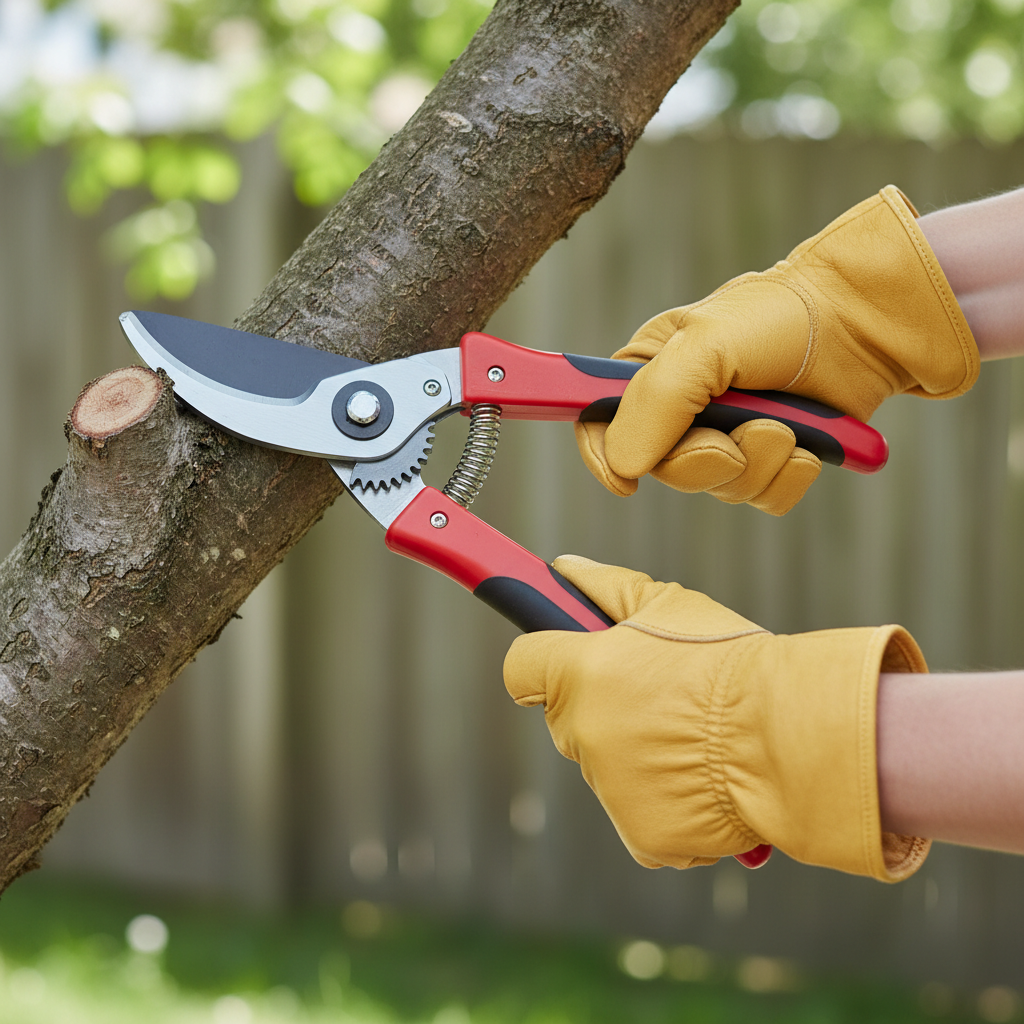
Mistakes that make thick-branch lopping harder than it should be
A lot of frustration comes from a few predictable errors, and none of them require more strength to fix.
- Chasing maximum diameter: if your work lives at the tool’s limit, cuts get ragged and you fatigue fast.
- Using anvil on live pruning: it can be fine for dead wood, but it often bruises living stems.
- Ignoring sap and grime: sap buildup changes how blades bite, wiping blades mid-session often helps more than people expect.
- Cutting too far from the collar: leaving a long stub can slow healing and looks messy, cutting flush can damage trunk tissue.
- Skipping sharpening: a slightly dull blade turns “1.5 inch rated” into “1 inch struggle.”
Also, if you find yourself squeezing with your hands while your shoulders hike up, that is a real signal your tool category might be wrong, not your technique.
Maintenance and safety: keep performance predictable
Thicker cuts amplify risk, branches can snap suddenly, and tired hands slip. If you are unsure about larger limbs near power lines or structures, it may be safer to consult a certified arborist.
- Wear eye protection and gloves: small chips can fly, especially on dead wood.
- Check bolts and pivot: a loose pivot wastes force and can twist the blade.
- Clean and lightly oil: especially after sappy pruning, it helps prevent sticking and corrosion.
- Sharpen when effort rises: do not wait until cuts crush, light maintenance is easier than a full edge rebuild.
- Mind overhead work: if you need to cut above shoulder height repeatedly, a pole pruner or pro help is often safer.
Conclusion: picking the right “best” for your yard in 2026
The best choice usually comes down to this, if you mostly prune live growth up to the mid-range, a geared bypass lopper gives the cleanest results with less strain; if you mainly clear dead limbs, anvil or geared options can feel more confident, and when branches move past about 2 inches, a saw often becomes the more sensible tool.
Your next step is simple, measure a few branches you actually plan to cut, decide whether you need clean live pruning or deadwood removal, then buy for that reality instead of the biggest number on the label, your hands will notice the difference after the first session.