
Spade garden flat edging is one of the quickest ways to turn a “kind of messy” lawn or bed line into a clean border that looks intentional, even if the rest of the yard is still a work in progress.
If your borders keep creeping, mulch keeps spilling, or grass keeps invading your beds, the issue usually is not effort, it’s the edge itself. A flat edging spade cuts a defined vertical wall, and that wall buys you weeks (sometimes months) of easier maintenance.
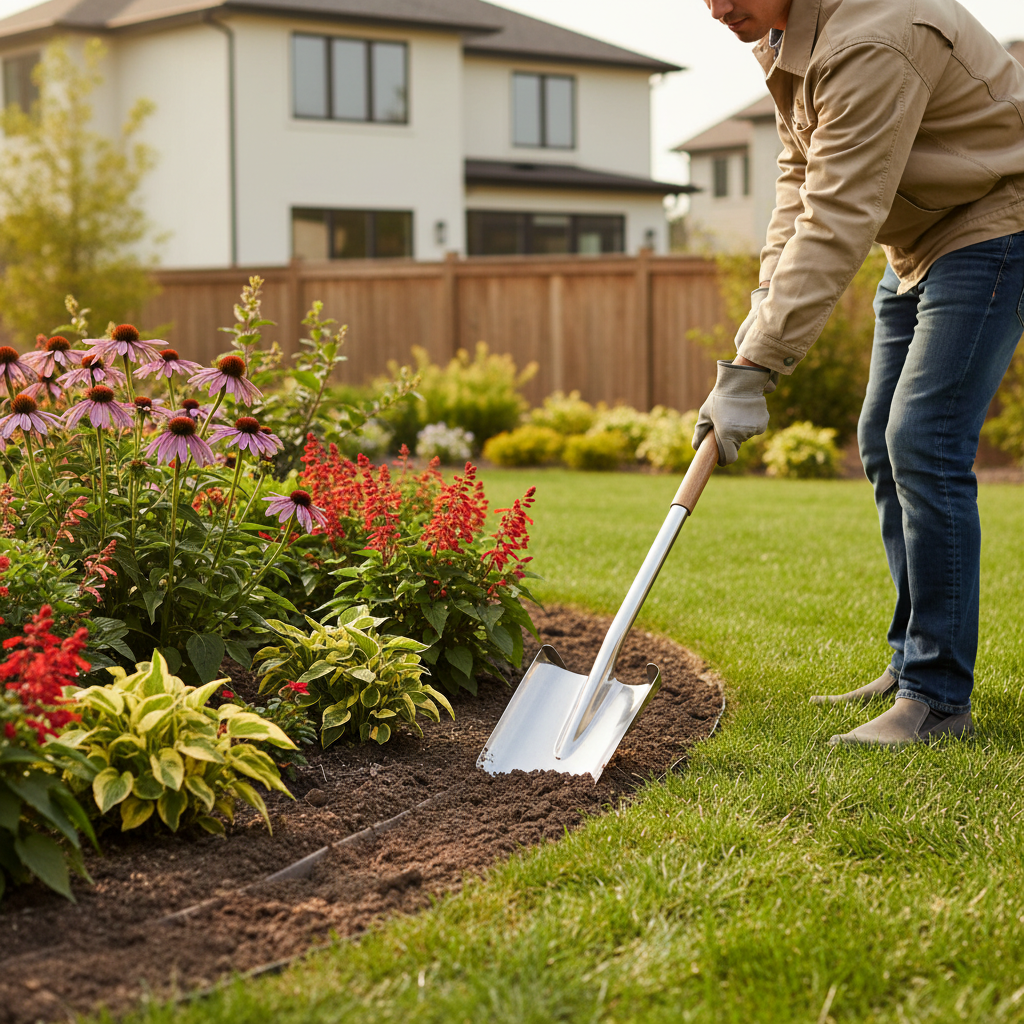
But not every spade behaves the same. Handle length, blade shape, foot platform, and even soil moisture change how clean the cut looks and how tired your back feels. This guide helps you pick the right tool, know when to edge, and do it without turning a simple border into an all-afternoon repair job.
What a flat edging spade does (and why borders respond so well)
A flat edging spade is built to slice, not scoop. The blade is typically straighter and flatter than a digging spade, so it can cut a near-vertical line along turf and bed edges.
That matters because most “border problems” come from a fuzzy transition zone. Grass rhizomes creep, mulch migrates, and water runoff smears the line. A crisp edge acts like a small barrier and a visual frame at the same time.
- Crisper lines: A flatter blade makes a cleaner wall than a curved shovel.
- Less regrowth into beds: Cutting back turf edges reduces immediate encroachment.
- Cleaner mowing: Defined edges help you run a mower wheel along a consistent track.
- Better mulch control: A sharp edge helps keep mulch where you placed it.
According to University of Maryland Extension, keeping planting beds well-defined and mulched can reduce weeds and improve bed appearance, which is exactly what a clean edge supports in practice.
Why your edging keeps looking uneven (common real-world causes)
People blame “bad technique,” but borders go crooked for practical reasons. If you recognize your situation, you can fix the right thing instead of just pushing harder.
Soil and moisture fighting you
Dry, compacted soil tends to fracture instead of slice, especially in clay. Wet soil can smear and collapse back into the cut. Many yards edge best when soil is slightly moist, not saturated.
Wrong blade for the job
A general garden spade can edge in a pinch, but its curved blade often pulls soil up, leaving a wavy trench. Flat edging tools are more forgiving when you want a straight face.
No guide line (or a guide line that moves)
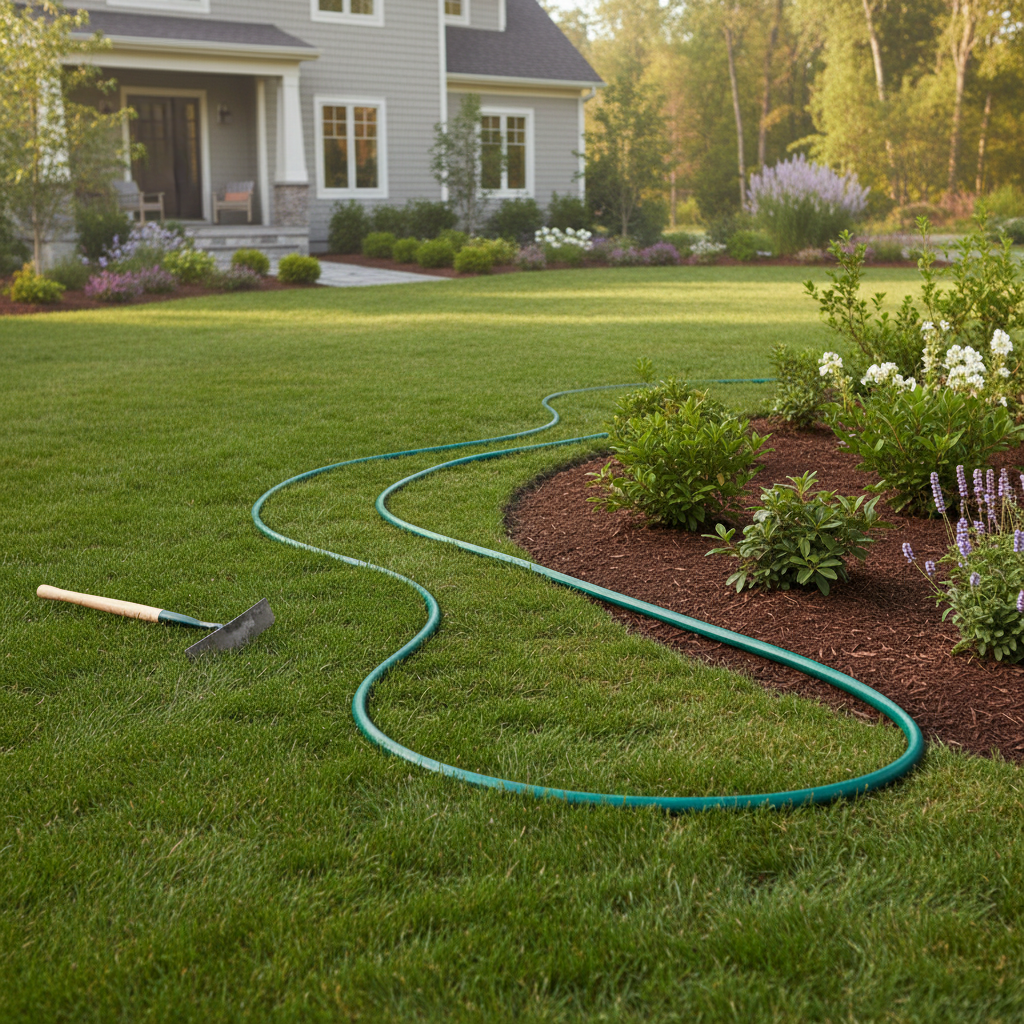
If you “eyeball” a 30-foot border, tiny shifts add up. Even worse, if you use a hose as a guide but keep bumping it, your line becomes a series of micro-corrections.
Too shallow, then “fixed” repeatedly
A shallow first pass makes the edge look weak, so you re-cut it, then re-cut again. That widens the trench and creates uneven depth. A controlled depth plan beats repeated corrections.
Quick self-check: which edging situation are you in?
If you match one of these, you’ll know what to do next without guessing.
- Grass keeps invading beds within weeks: You likely need a deeper cut and a clearer vertical wall, and possibly a physical barrier depending on grass type.
- Mulch spills onto the lawn after rain: Your edge may slope inward, or the bed is slightly higher than the turf with no “lip.”
- Edges look jagged: Soil may be too dry, blade not sharp, or you are twisting the handle mid-cut.
- Back or wrist pain after edging: Handle length and foot platform matter more than people expect, and your step rhythm may be off.
- You have a lot of roots near the edge: A flat spade works, but you’ll need smaller bites and realistic expectations.
Choosing the right flat edging spade for borders
Buying an edging tool is easy, buying one you still like using in month three is the real test. Here’s what tends to matter in typical U.S. yards.
| Feature | What to look for | Best for |
|---|---|---|
| Blade shape | Flat, straight edge; minimal curvature | Clean, vertical bed borders |
| Blade width | Medium width often balances control and speed | Most homeowners edging 20–150 ft |
| Foot platform | Wide step with good grip | Hard soil, reducing foot fatigue |
| Handle length | Long enough to keep back neutral | Tall users, long runs of edging |
| Handle material | Fiberglass or hardwood; comfortable grip | Durability and vibration control |
| Blade edge | Can be sharpened; solid steel | Cleaner cuts, easier maintenance |
Small but important: if the spade has a pronounced curve or a deep “dish,” it tends to lift soil and tear turf instead of slicing. For borders, flatter usually wins.
How to edge borders with a flat spade (step-by-step, without overthinking)
Spade garden flat edging works best when you treat it like cutting a line, not digging a trench. The goal is a consistent vertical slice and a controlled removal of the strip.
1) Lay out the line you want
- For straight edges, use string and stakes.
- For curves, a garden hose works well, just set it once and stop nudging it.
2) Pick a reasonable depth
Many decorative bed edges look good around a few inches deep, but soil type and grass variety change what “enough” means. If turf runners are aggressive, you may need a deeper cut or a follow-up barrier. When unsure, start moderate, then evaluate regrowth after a few weeks.
3) Cut in passes you can control
- Keep the blade vertical, align to your guide line.
- Step down using the foot platform, avoid twisting while the blade is buried.
- Work in short segments, especially on curves.
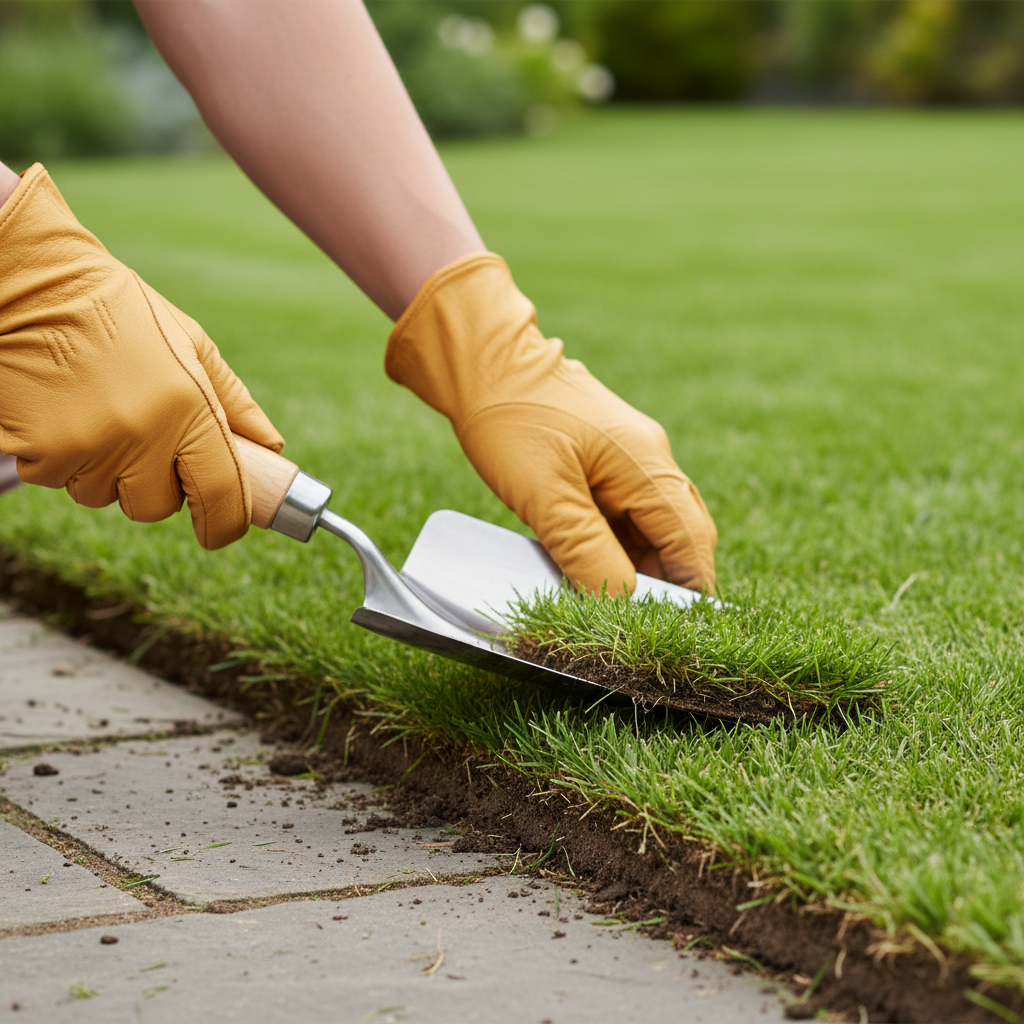
4) Remove the strip cleanly
After the cut, you can lift the thin turf strip from the bed side. If the strip keeps breaking, soil may be too dry, or the cut is too shallow.
5) Finish the edge so it stays sharp
- Tap loose soil back into the bed side, not into the turf.
- Top up mulch so it sits slightly below the turf line, not piled over it.
- Water lightly if soil is crumbly, the edge holds shape better after settling.
Practical tips that make edging faster (and easier on your body)
Most people can edge a small yard with brute force once. The trick is making it repeatable.
- Edge after a light rain or watering: soil that is slightly moist often cuts cleaner.
- Sharpen the spade occasionally: a dull edge tears turf and demands more force.
- Use your legs, not your arms: step down, then lift, instead of prying sideways.
- Break big jobs into sections: fatigue causes crooked lines more than “lack of skill.”
- Keep the trench narrow: you want definition, not a moat.
Key takeaway: consistency beats intensity. A clean edge done twice a season usually looks better than an aggressive cut done once and ignored.
Mistakes to avoid (so you don’t undo your own work)
These are the habits that quietly ruin borders, even when the edging cut looked perfect on day one.
- Overcutting curves: taking big bites on curves makes scallops. Smaller steps keep the curve smooth.
- Mulch piled above the turf line: it spills, then grass grows into it, then the edge disappears.
- Edging when soil is bone dry: you get chunks and tears, not a sharp wall.
- Chasing perfection under tree roots: expect a slightly irregular edge near roots, forcing a straight cut can damage shallow roots.
- Skipping cleanup: leaving loose clods on the turf side makes mowing messy and blurs the line fast.
According to OSHA, using the right tools and body mechanics reduces strain and injury risk. Edging is not a high-drama task, but repetitive force plus awkward posture can add up, so pace matters.
When a flat edging spade is not enough (and when to ask for help)
Sometimes the tool is fine and the site conditions are the real issue.
- Persistent grass invasion: you may need a deeper edge, a buried edging barrier, or a change in bed design depending on grass type.
- Severe slope and runoff: borders may need regrading or a small swale, edging alone will not stop washouts.
- Major root zones: if the edge line runs through heavy surface roots, a landscape pro can suggest rerouting the bed or choosing a different edge detail.
- Physical limitations or pain: if bending or stepping down triggers pain, consider a long-handled edging tool, powered edger, or hiring help, and consult a medical professional if symptoms persist.
There’s no shame in outsourcing the first “reset” edge, then maintaining it yourself. A good border is like a haircut, the initial shape matters, maintenance is the easy part.
Conclusion: a clean border is a small project with big payoff
Spade garden flat edging pays off because it solves two things at once, it makes the yard look sharper immediately, and it reduces the weekly annoyance of grass creeping and mulch wandering.
If you want one simple next step, pick one high-visibility edge, usually the front bed or the walkway border, cut it clean with a flat spade, then keep mulch slightly below the turf line. After that, decide if the rest of the yard deserves the same treatment or if “good enough” already looks great.
FAQ
- How deep should I cut when edging with a flat spade?
Often a few inches is enough for visual definition, but aggressive grasses may push you deeper. If you see fast regrowth into the bed, increase depth slightly next time or consider a barrier. - Can I use a regular shovel instead of a flat edging spade?
You can, but many shovels have a curved blade that lifts soil and leaves a wavy trench. A flatter edge typically gives cleaner lines with less cleanup. - What’s the best time of year to edge garden borders?
Many homeowners edge in spring for a seasonal reset and touch up mid-season. In very hot or dry stretches, edging can look rougher because soil fractures more easily. - Why does my edge collapse after I cut it?
Soil that is too wet can slump, and sandy soil can crumble. Try edging when soil is slightly moist, then firm the bed side and keep mulch from overfilling the edge. - Do I need to sharpen an edging spade?
It helps. A sharper blade slices turf more cleanly and reduces effort. Just avoid an ultra-thin edge that chips easily in rocky soil. - How do I keep curves smooth when edging?
Take smaller cuts, reposition your feet often, and avoid twisting the spade while it’s in the ground. A hose guide line also helps keep the curve consistent. - Is a manual spade better than a powered edger?
Manual tools give control and are quieter, powered edgers save time on long runs. The better choice depends on border length, soil hardness, and comfort using power equipment.
If you’re edging often and still fighting fuzzy lines, you might prefer a flat edging spade with a wider foot platform and a handle length that fits your height, it’s a small upgrade that can make the work feel a lot less stubborn.