
How to use a nut driver for fasteners comes down to three things: matching the size, keeping the tool straight, and using controlled torque so you don’t round the hex head.
If you’ve ever watched a hex nut start to slip, or felt a driver wobble on a sheet-metal screw, you already know why this matters, one small mistake turns into a stripped fastener, a chewed-up tool, and a job that suddenly takes twice as long.
This guide keeps it practical, what nut drivers do best, when to switch tools, how to pick the right size, and a few habits that make your work cleaner whether you’re assembling furniture, doing HVAC, or working on a vehicle.
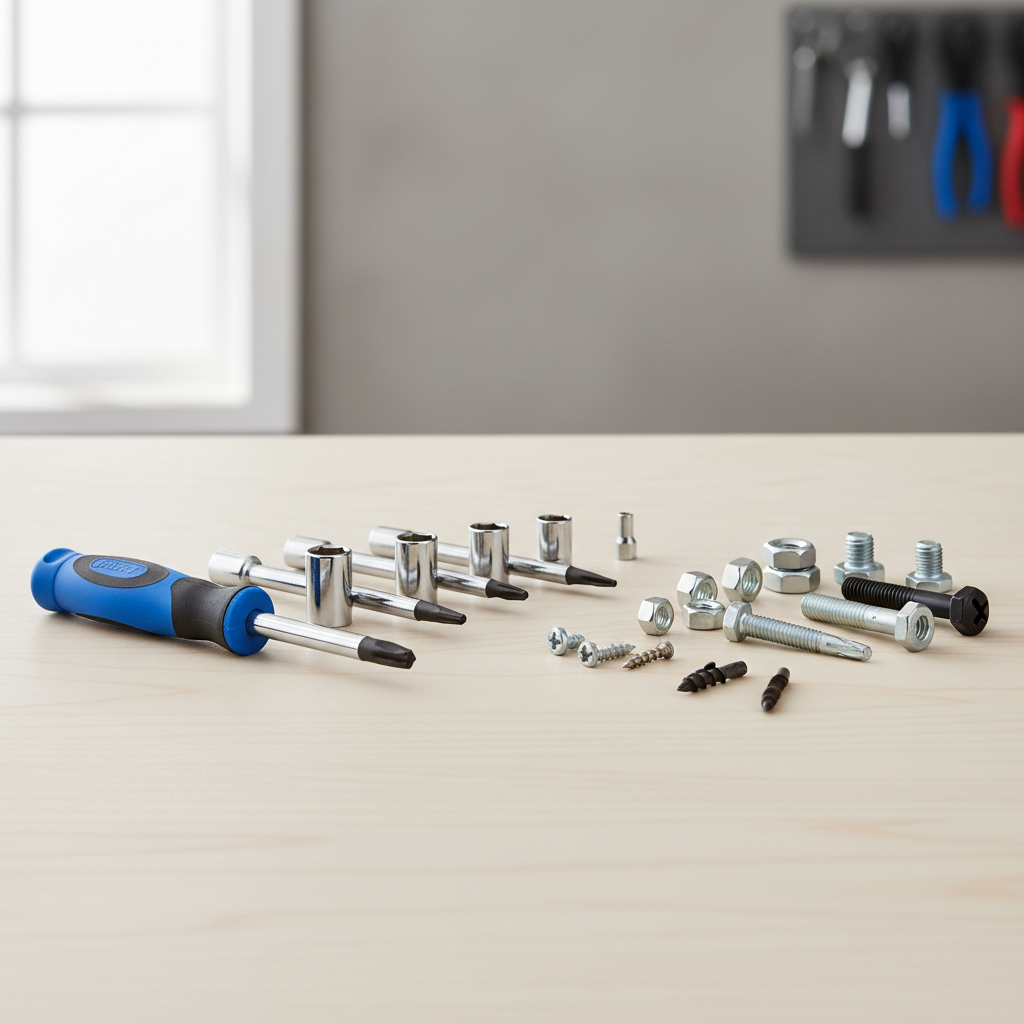
What a nut driver is (and what it isn’t)
A nut driver is basically a screwdriver-style handle with a hollow hex socket, it slips over the outside of a hex fastener head. Unlike an Allen key or hex bit, it grips the outside flats, which often gives you more contact area and less chance of cam-out on small hardware.
Where it shines is speed and access, especially on hex-head sheet-metal screws, small machine nuts, hose clamps, and appliance fasteners where you want quick spin without dragging out a ratchet.
Common types you’ll see
- Hand nut drivers: best feel and control for delicate or small fasteners.
- Magnetic nut drivers: helps hold screws/nuts, handy overhead or in cabinets.
- Power nut driver bits: used with a drill/impact, fast but easier to over-torque.
- Hollow-shaft drivers: let long studs pass through the socket, useful on threaded rod or long bolts.
According to OSHA, hand and power tools should be used as designed and maintained in safe condition, which in plain terms means don’t force a worn socket to do a job it can’t grip safely.
Pick the right size and drive style (this prevents most stripping)
Most “I ruined the fastener” stories start with the wrong size, even slightly wrong. A nut driver should seat fully and feel snug with minimal wiggle before you apply torque.
Quick sizing tips that work in the real world
- Try before you commit: seat the socket on the head, if it rocks, go one size down or switch to a six-point socket on a ratchet.
- Prefer six-point contact when possible: it grabs flats better than 12-point styles on stubborn fasteners.
- Metric vs SAE: they can feel “close enough” until they slip, if the fit isn’t crisp, stop and confirm the system.
- Deep vs standard: choose hollow or deeper options when a stud protrudes, forcing a shallow driver often leads to partial engagement.
Nut driver sizing cheat sheet (common)
| Common use | Typical sizes (SAE) | Typical sizes (Metric) | Notes |
|---|---|---|---|
| Hose clamps, small appliance screws | 1/4 in, 5/16 in | 6 mm, 7 mm, 8 mm | Magnetic tip helps in tight spaces |
| Sheet-metal hex-head screws | 5/16 in, 3/8 in | 8 mm, 10 mm | Keep driver perfectly straight to avoid rounding |
| Cabinet hardware and light-duty nuts | 3/8 in, 7/16 in | 10 mm, 11 mm | Hand driver reduces over-tightening |
Sizes vary by manufacturer and application, so treat the table as a starting point, not a promise.
How to use a nut driver for fasteners: the step-by-step technique
The technique is simple, but the “simple” part hides the details. If you do these steps, you’ll get a cleaner install and fewer damaged heads.
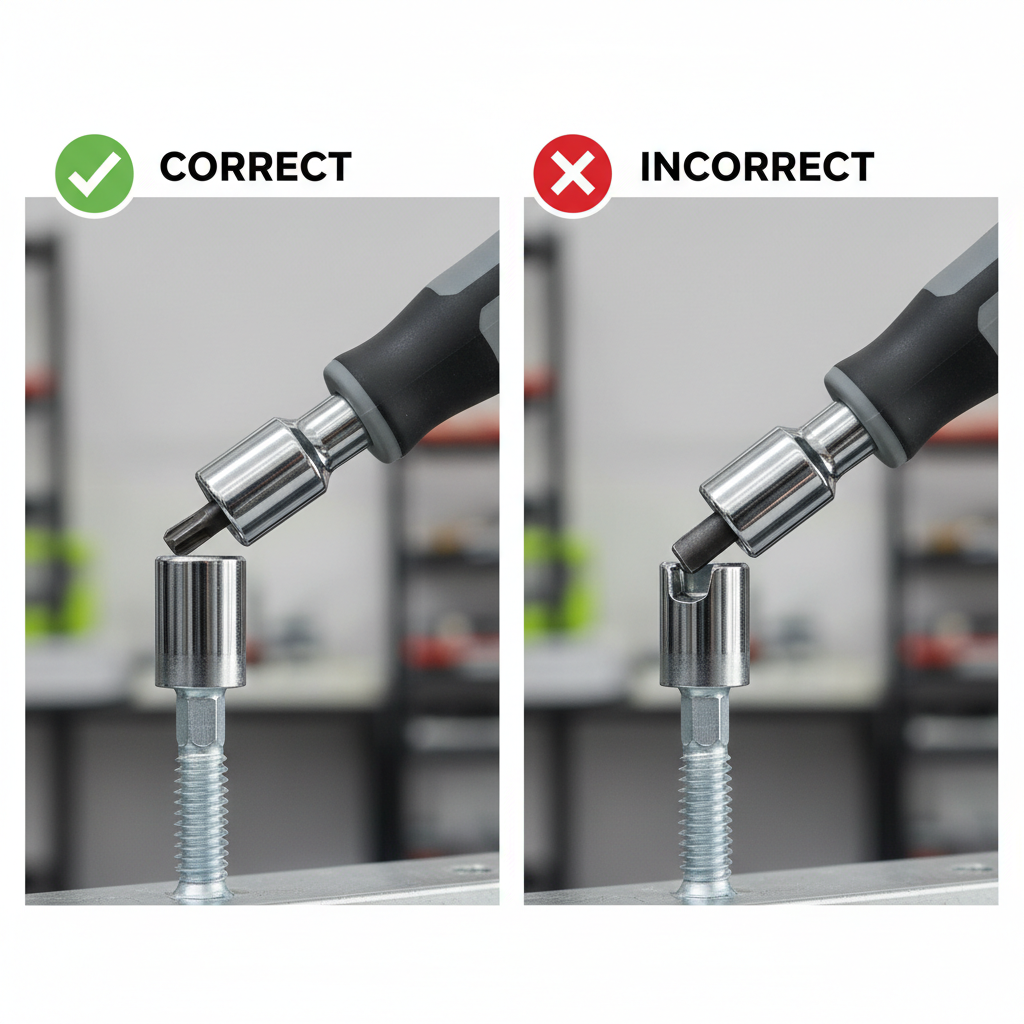
1) Seat the driver fully before turning
Press the socket onto the fastener until it bottoms out. If you’re only catching the edge of the hex head, you’re basically pre-rounding it.
2) Keep the driver inline
Angle is the enemy. A slight tilt loads one corner of the hex and starts that glossy, rounded look. In tight areas, reposition your hand and body so the tool stays straight rather than “making it work.”
3) Break loose with control, then spin fast
For removal, apply a smooth initial twist to break friction, then you can turn faster. For installation, thread by hand a couple turns when possible so you don’t cross-thread.
4) Stop at “snug,” then decide if you truly need more torque
A nut driver is great for snugging, but it’s not a torque wrench. If the joint needs a specific clamping load, switch to a ratchet with a socket or a torque tool.
5) Use the right support in awkward spots
- In deep recesses, use a hollow-shaft nut driver so the stud doesn’t prevent full seating.
- If the screw keeps falling, use a magnetic nut driver or a bit holder with retention.
- If you’re reaching past wiring or hoses, slow down and re-check alignment, rushing here is where heads get rounded.
Self-check: are you using the right tool for this fastener?
Before you keep cranking, run this quick checklist. It saves time even if it feels like you’re “slowing down” for 20 seconds.
- Fit check: socket seats fully, minimal wobble.
- Head condition: corners still sharp, not already rounded or corroded.
- Access: you can keep the driver straight through the whole turn.
- Torque demand: you only need light-to-moderate torque, not “breaker bar” force.
- Material risk: you’re not about to crush plastic, soft aluminum, or thin sheet metal by over-tightening.
If you fail two or more checks, it’s usually smarter to switch tools early rather than fight it.
Fastener-specific tips (where people usually get tripped up)
Hex-head sheet-metal screws
These are where nut drivers feel amazing, until they don’t. Keep pressure toward the screw and avoid side load, especially when the screw bites into thin metal and suddenly tightens.
- Use a snug size, “almost fits” will slip.
- If using power, keep speed moderate and stop as soon as the washer seats.
Small nuts on long studs
This is the hollow-shaft moment. Without it, the driver may bottom out on the stud and only half-grip the nut, which feels fine until it rounds.
- Choose hollow-shaft or a deep socket-style nut driver.
- Start the nut by hand to avoid cross-threading.
Hose clamps
Clamps are easy to over-tighten, and you can damage the band or whatever you’re clamping. A hand nut driver gives better feel than an impact.
- Tighten until snug, then check for leaks or slip, not “one more turn for luck.”
- If the screw feels gritty, back off and inspect, corrosion can seize threads.
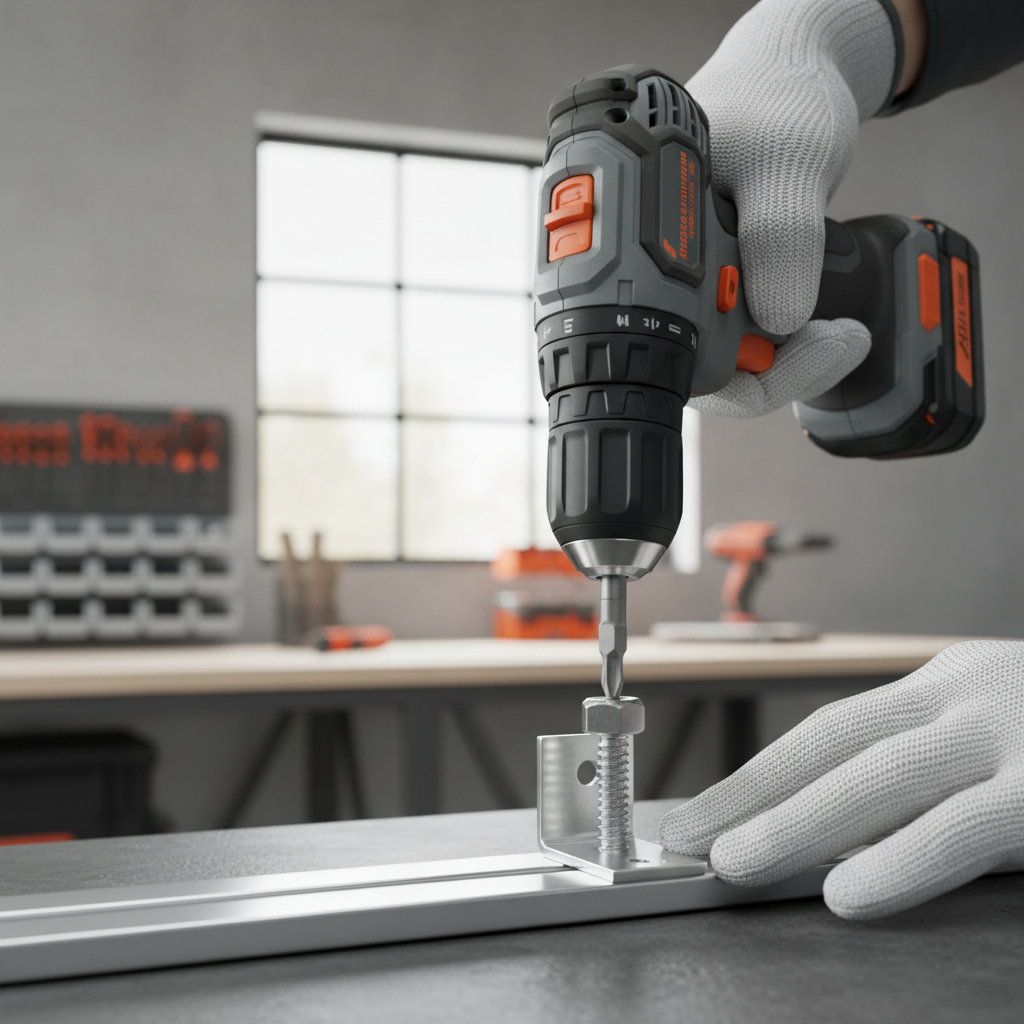
Using a nut driver with a drill or impact driver (without overdoing it)
Power makes how to use a nut driver for fasteners feel almost effortless, but it also makes mistakes fast. If you strip heads regularly, it’s usually speed, angle, or too much torque.
Practical settings and habits
- Use a clutch on a drill when installing into softer materials, start low and increase only if needed.
- Feather the trigger near the end, don’t run full speed into the final snug.
- Let the socket seat before you pull the trigger, hold straight for the first second.
- Consider hand-finishing if the joint feels sensitive, plastics, thin brackets, small clamps.
According to NIOSH, power tool safety generally includes using the right accessories and controlling the tool to reduce injury risk, which also maps nicely to reducing damaged fasteners.
Common mistakes and how to avoid them
- Using a “close” size: if it wiggles, it will slip, grab the exact size or switch systems (metric/SAE).
- Working at an angle: reposition yourself, or use an extension designed for that space.
- Over-torquing with power: slow down at the last turns, or finish by hand.
- Ignoring worn sockets: rounded or stretched sockets ruin hardware, replace them.
- Assuming every nut driver is impact-rated: many hand or light-duty bits are not meant for impacts, check the marking.
When to stop and get extra help (or switch to another tool)
If a fastener is corroded, painted over, or already rounded, forcing a nut driver can make the situation worse. This is where you might switch to a six-point socket and ratchet, use penetrating oil, or consider locking pliers as a last resort.
If you’re working on safety-critical assemblies (vehicle brakes, structural connections, gas appliances), it may be worth consulting a qualified technician or following the manufacturer service manual, torque specs and fastener grade matter more than tool convenience.
Key takeaways you can use immediately
- Full seating + straight alignment prevents most rounding.
- Hand nut drivers give better feel for clamps and delicate parts.
- Power use works best when you slow down at the end and rely on the clutch.
- Hollow-shaft drivers solve the long-stud problem cleanly.
Conclusion: faster work, fewer stripped heads
If you keep the fit tight, the tool straight, and your torque controlled, how to use a nut driver for fasteners stops being a guessing game and becomes one of the quickest, cleanest ways to run hex hardware.
Your next step is simple, check your most-used sizes, replace the ones that feel sloppy, and practice “snug then stop” on a few scrap fasteners so your hands learn the feel before the next real job.