
Best forstner bit for wood drilling usually means one thing in real shops: a bit that cuts clean, stays reasonably cool, and doesn’t make you fight the drill press every time you need a flat-bottom hole.
If you’ve ever tried to bore a 1-1/2 in. recess for a hinge cup or a plug, you know the frustration, ragged rims, burn marks, and that squeal when the bit starts rubbing instead of cutting. Forstner bits can be amazing, but only when the style matches the job and your setup.
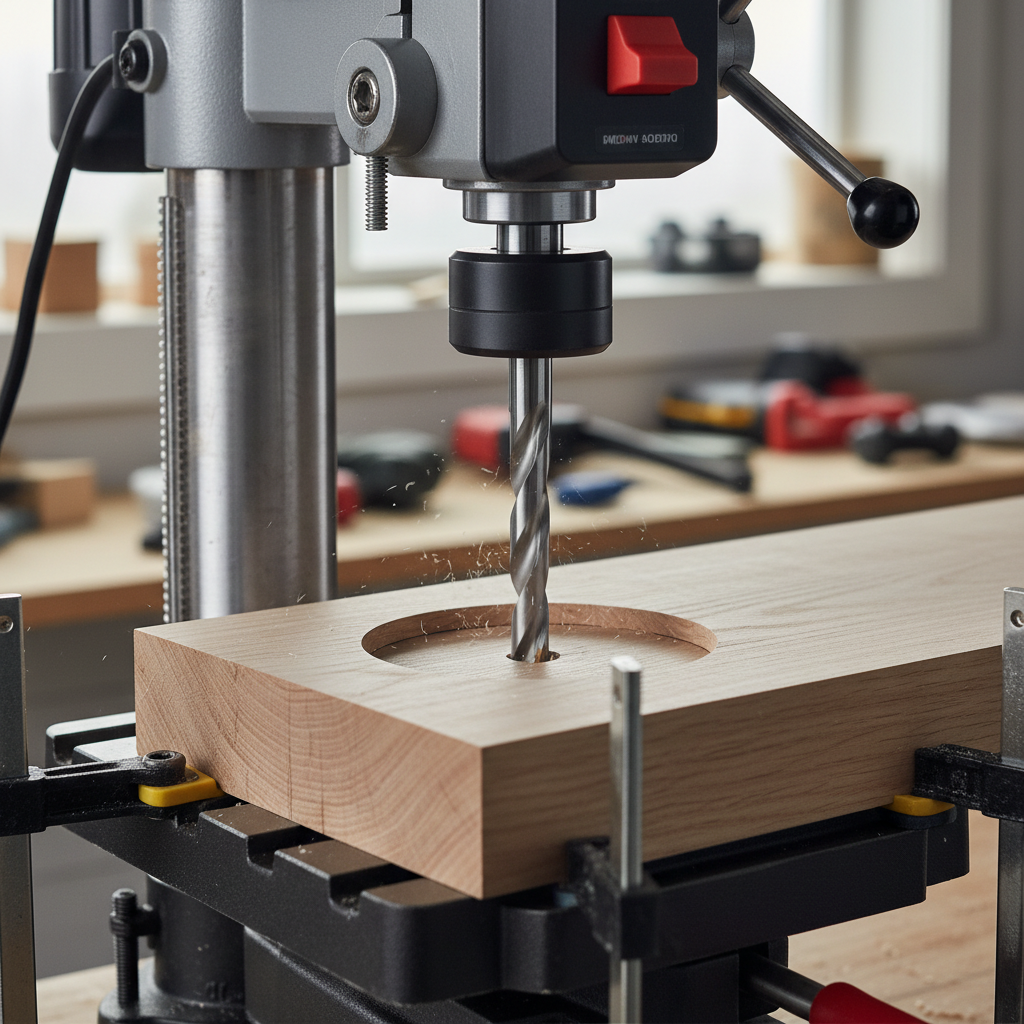
This guide breaks down what actually matters in 2026, rim style, steel type, shank fit, and how you’ll use the bit. You’ll also get a practical selection table, a quick self-check, and setup tips that often fix “bad bit” problems that are really speed and feed issues.
What makes a Forstner bit “the best” for wood drilling
There isn’t one universal winner, because soft pine, maple, plywood, and end grain all behave differently. A good pick comes from matching a few factors to your work.
- Hole quality: clean rim, minimal tear-out, flat bottom when depth-stopping.
- Heat management: less burning and less resin buildup, especially in dense hardwoods.
- Control: steady tracking, less wandering when you start the cut.
- Durability: edges that hold up, plus the option to sharpen when it finally dulls.
- Compatibility: drill press vs handheld drill, and shank size that fits your chuck.
According to OSHA, using the right tool and proper machine guarding helps reduce workshop injury risk, so a “best” choice also includes stable workholding and an appropriate machine for the bit size.
Quick comparison table: which Forstner style to buy for your job
If you want a fast shortcut, start here. This table reflects common behavior across brands, not one specific product line.
| Use case | Best bit style | Why it fits | Watch-outs |
|---|---|---|---|
| Cabinet hinge cups (35mm), hardware recesses | Carbide-tipped or high-quality HSS | Stays sharp longer, cleaner rim in plywood/hardwood | Carbide can chip if you hit nails or drill press vibrates |
| General shop holes in hardwood | HSS, serrated rim | Less heat, smoother feed, decent chip clearing | Needs correct RPM or it still burns |
| Softwood, rough carpentry, occasional use | Carbon steel set | Cheaper, fine for pine and shallow cuts | Dulls faster, more burning in dense wood |
| Overlapping holes / drilling near an edge | Center-point + continuous rim | Tracks better when support is limited | Continuous rim may run hotter in thick hardwood |
| Deep, wide holes (1-1/2 in.+) on drill press | Serrated rim, larger shank | Reduced friction, more stable torque transfer | Hand drills can feel sketchy at this size |
How to choose: rim style, steel, shank, and size
Most people focus on diameter and ignore the geometry. That’s where performance is hiding.
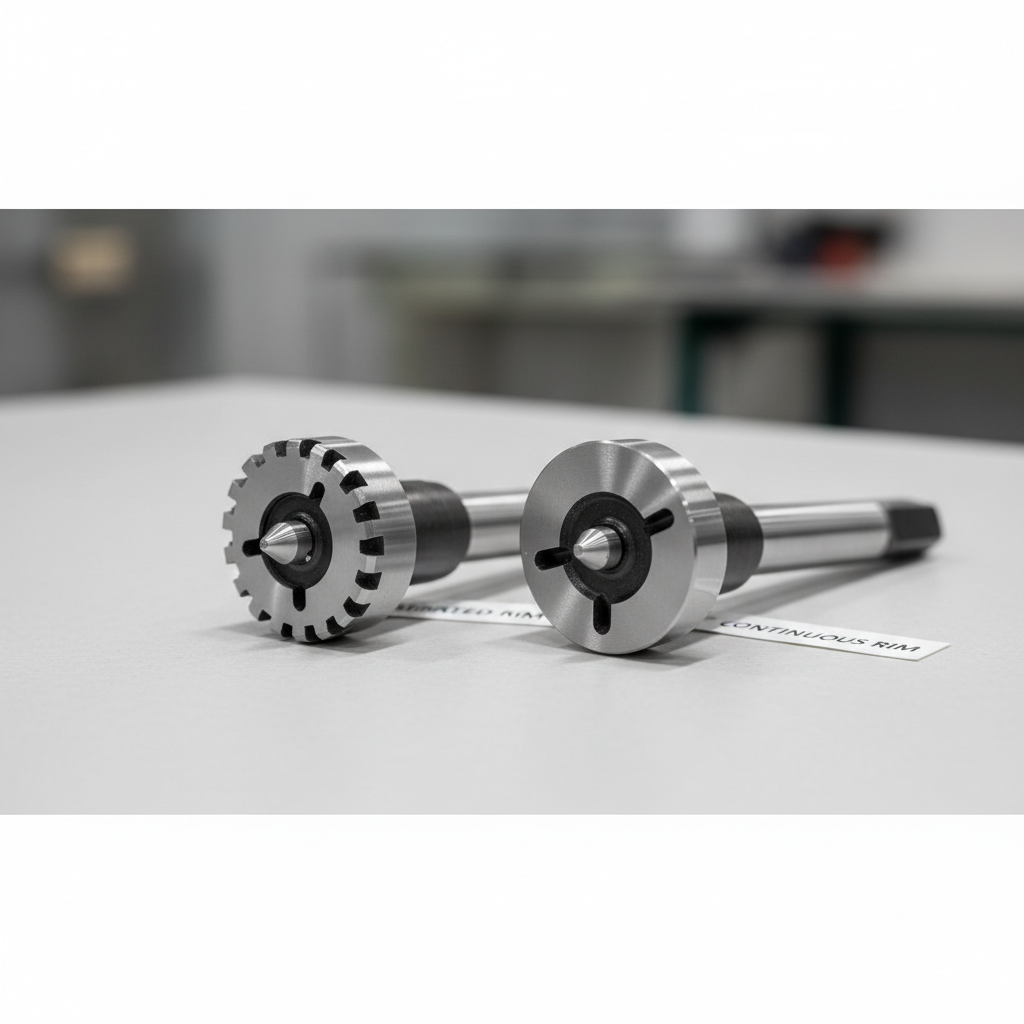
Rim style: serrated vs continuous
- Serrated rim: tends to cut cooler because teeth reduce contact area, often a better feel in hardwood, but can leave slightly more scoring on some veneers if your feed is sloppy.
- Continuous rim: can leave a very clean circumference, often great for clean recesses, but it can build heat when you push too hard or run too fast.
Steel type: carbon vs HSS vs carbide
- Carbon steel: fine for light duty, easier to sharpen, but it wears quickly in oak/maple and can burn if you linger.
- HSS (high-speed steel): a strong “default” for many woodworkers, better edge retention and higher heat tolerance.
- Carbide-tipped: holds an edge a long time, especially in plywood and abrasive sheet goods, but it’s less forgiving if your setup has runout or you hit a hidden staple.
Shank design and chuck fit
This sounds boring until your bit slips. If you’re choosing the best forstner bit for wood drilling with a handheld drill, prioritize a shank that your chuck can grip confidently, many larger bits move to a 3/8 in. or 1/2 in. shank for a reason.
- Round shanks: common, can slip if the chuck or shank has oil or dust.
- Hex shanks: resist slipping, useful for cordless drills, but not as common in larger diameters.
- Reduced shanks: allow big cutter heads in smaller chucks, but torque can still be a limitation.
Self-check: which “best” category are you actually in?
Before you buy another set, be honest about how you drill. This quick checklist usually clarifies what to prioritize.
- You mostly use a drill press: you can go larger in diameter safely, and carbide becomes more attractive because vibration is lower.
- You mostly use a cordless drill: favor smaller sizes, sharp HSS, and bits that clear chips easily.
- You drill hinge cups weekly: buy a dedicated 35mm carbide-tipped bit, don’t rely on a cheap full set.
- You drill in plywood a lot: carbide or premium HSS helps because glue layers are abrasive.
- You only need 3–5 sizes: skip the 16-piece bargain set and buy singles where quality matters.
- You see burn marks often: you may need different geometry, but you may just need lower RPM and better chip clearing.
Practical recommendations for 2026 (by scenario)
Instead of chasing one brand name, build a small “right tool” lineup. Many shops end up here after buying two mediocre sets.
If you want one versatile set
- Choose HSS with a mix of common sizes (1/4 in. to 1-1/2 in.).
- Look for decent machining, centered spur, clean grinding on the rim, no visible wobble when chucked.
- Pair with a simple hone or diamond card for touch-ups.
If your priority is super-clean cabinet work
- Buy carbide-tipped in the exact sizes you repeat: 35mm for hinges, plus any shelf pin or hardware recess sizes you use weekly.
- Use a backer board on plywood to reduce blowout, even with a great bit.
If you drill big holes in hardwood
- Use a drill press if possible, and choose serrated rim to keep heat down.
- Prefer bits with a thicker shank, big cutters on a skinny shank can chatter.
- Plan chip breaks: drill partway, retract, clear, repeat.
If you drill near edges or overlapping holes
- Go with a design that tracks well, and start with a shallow scoring cut.
- Clamp a sacrificial block to support the rim when the hole edge is unsupported.
Setup and technique: the part that saves most holes
Even the best forstner bit for wood drilling can look “bad” if the speed is too high, the board isn’t clamped, or chips pack in the hole.
RPM and feed (general guidance, not a strict chart)
- Larger diameter usually needs lower RPM, heat rises fast as size increases.
- Hardwood often prefers slower speed with steady pressure, not a timid, rubbing feed.
- If you smell burning, stop and adjust before you keep drilling, continuing just polishes the wood and dulls the rim.
Clamping and backing
- Clamp the workpiece, especially with bits above 1 in., torque can spin boards unexpectedly.
- Use a backer board for through-holes to keep the exit clean.
Chip clearing and lubrication
- Peck drilling helps, retract every so often to eject chips and cool the cutter.
- In resinous softwoods, pitch buildup can cause heat, a cleaner made for saw blades and bits often helps.

Common mistakes that waste bits (and how to avoid them)
- Buying a huge cheap set: you end up using three sizes and fighting the rest, buy fewer, better cutters where it counts.
- Using a handheld drill for large diameters: it can work, but the risk of grab and crooked holes goes up, consider a drill press or a guide jig.
- Not checking runout: wobble from a bent bit, dirty chuck jaws, or a tired drill press makes rims chatter and tears fibers.
- Drilling too deep without chip breaks: packed chips create friction, friction creates burn marks, then the edge dulls.
- Forcing carbide through unknown wood: reclaimed lumber can hide nails, carbide doesn’t like surprises.
When to upgrade, sharpen, or ask for help
If hole quality drops, don’t assume you need a whole new kit. Many Forstner bits can be touched up, but carbide sharpening is trickier.
- Sharpen when the rim starts polishing wood or you see more fuzzing, light honing often restores performance.
- Replace if the bit is visibly out-of-round, chipped badly, or overheated enough to lose temper.
- Get professional help if you rely on repeatable cabinet joinery and carbide is chipped, a sharpening service may be worth it, especially for premium cutters.
According to the U.S. Consumer Product Safety Commission (CPSC), using appropriate safety gear and following tool instructions can reduce injury risk, if you’re uncertain about safe setup for larger bits, it’s reasonable to consult a qualified woodworking instructor or tool tech.
Key takeaways + conclusion
- Match the bit to the work: hinge cups and plywood often justify carbide, general hardwood work often runs great on HSS.
- Rim style matters: serrated rims often run cooler, continuous rims can leave a very crisp edge when heat stays under control.
- Technique beats hype: correct RPM, clamping, and chip clearing can make an average bit cut surprisingly well.
If you’re deciding what to buy this year, pick the sizes you drill most, choose a quality HSS baseline, then add a carbide piece or two where you want repeatable, clean recesses. That approach usually beats chasing one “perfect” set.
If you want, tell me what wood you drill most (hardwood, plywood, softwood), your top 3 hole sizes, and whether you use a drill press, I can suggest a tight shopping list without overbuying.