
The best jump starter for dead battery situations is the one that matches your engine size, your climate, and how you actually drive, not the one with the flashiest peak-amp number on the box.
If you have ever sat in a parking lot clicking a key that does nothing, you already know the pain: you need something that starts the car fast, feels safe to use, and stays charged in your trunk for weeks without becoming another dead gadget.
This guide breaks down what matters in 2026 jump starters, a quick self-check to avoid buying the wrong size, a comparison table you can screenshot, and practical steps for using one without guessing.
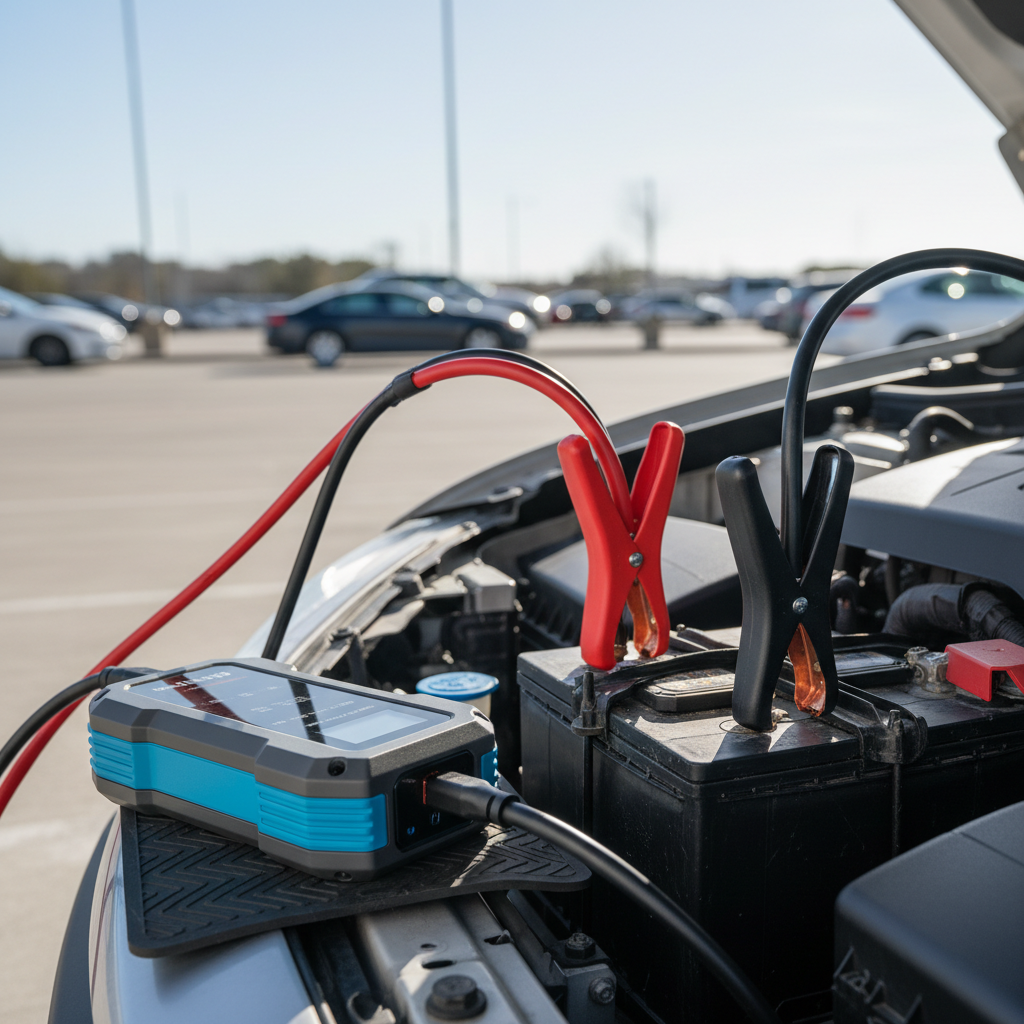
What actually matters when choosing a jump starter in 2026
Marketing loves big numbers, but most people need a predictable tool, not a brag sheet. Here are the specs that usually separate a reliable unit from a frustrating one.
- Engine size match (gas vs. diesel): Gas engines typically need less cranking power than diesels, and bigger displacement usually needs more reserve.
- Cold performance: If you live in the Midwest or mountain states, a unit that performs fine at 70°F might feel weak in freezing temps.
- Clamp quality and cable thickness: Thin cables drop voltage, cheap clamps slip, both lead to the “it says it’s working but nothing happens” scenario.
- Safety protections: Reverse polarity, short-circuit, over-current, and spark protection reduce user error risk.
- Real capacity and recharge speed: A jump starter that takes forever to recharge tends to end up empty when you need it.
- Usability: Clear indicators, a sturdy case, and a light that is actually bright enough matter at 11 p.m.
According to NHTSA safety guidance, vehicle battery hazards include sparks and explosive gases, so built-in protections and careful connection steps are not “nice to have,” they are part of using the tool responsibly.
Quick self-check: which size jump starter do you really need?
Before hunting for the best jump starter for dead battery problems, get honest about your vehicle and your habits. Most wrong purchases happen right here.
Use this checklist
- Your engine: 4-cylinder commuter car, V6 SUV, V8 truck, or diesel pickup?
- Battery condition: Is the battery old and weak, or did you simply leave lights on?
- Climate: Regular freezing temps, or mostly mild weather?
- How often you drive: Daily driving keeps batteries healthier, long sit times do not.
- Where you get stuck: Home garage, work lot, remote trailhead, roadside at night?
If you drive a larger SUV or truck, or you face winter starts, buying “just enough” often feels like saving money until the first no-start morning. In many cases, stepping up one tier improves consistency more than chasing a higher peak-amp claim.
Recommended categories (not one-size-fits-all “winners”)
I am not going to pretend there is one perfect unit for everyone. Instead, pick the category that matches your use, then shop within that lane and compare warranty and build quality.
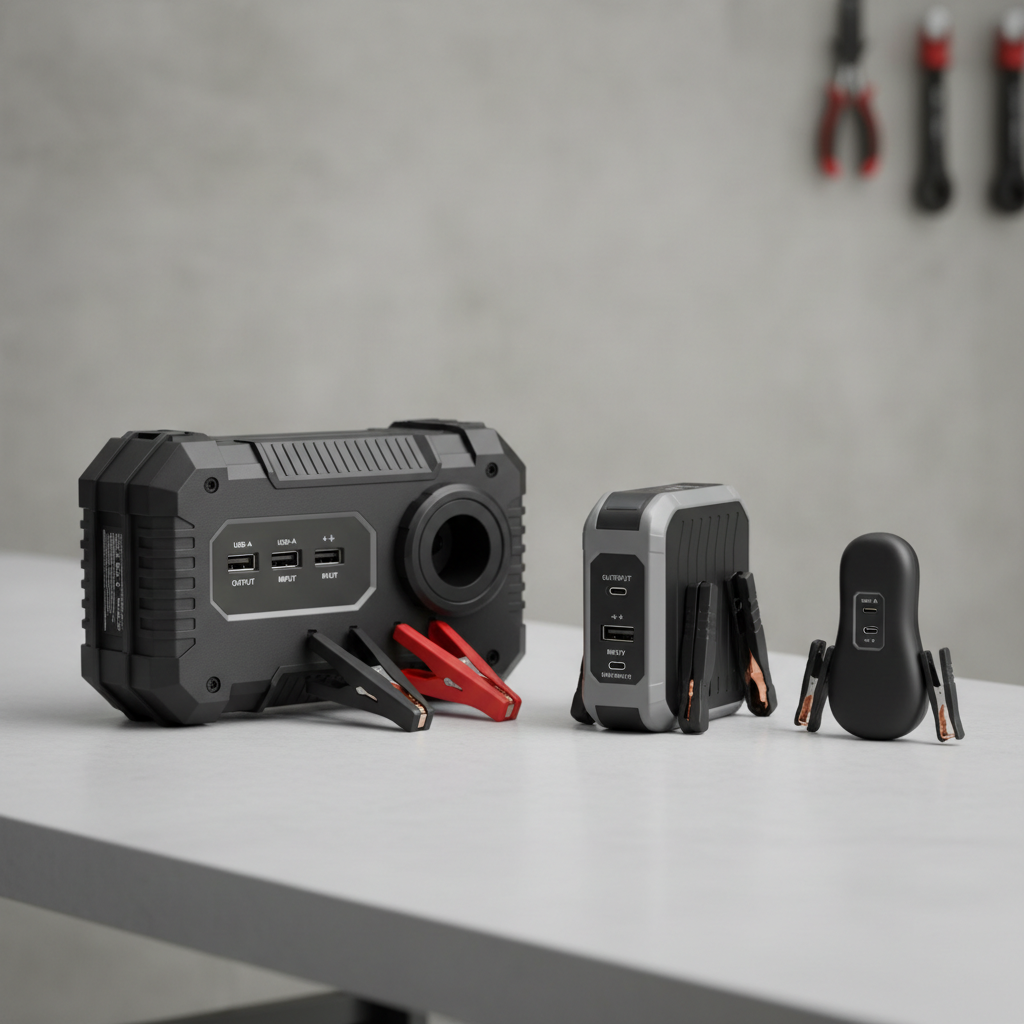
1) Compact for small gas cars (daily drivers)
Best if you drive a 4-cylinder or small V6, you mainly need help after leaving a dome light on, and you value portability. Look for strong clamps and clear status lights, because compact models vary wildly in quality.
2) Mid-size for crossovers and frequent cold starts
This is the “most people” category: enough reserve for repeat attempts, better cables, and less drama in cold weather. If you want the best jump starter for dead battery moments without overbuying, start here.
3) Heavy-duty for trucks, larger V8, and some diesels
If you tow, idle accessories, or drive a big engine, choose a unit designed for higher displacement. Many diesel owners still prefer a dedicated heavy-duty model, because cold compression starts can be unforgiving.
4) Battery pack + air compressor combos (convenience-first)
Combo units can be practical for road trips, but they can also be compromise products. If you buy a combo, prioritize jump performance and safety protections, then treat the compressor as a bonus.
Comparison table: how to shop without getting tricked by “peak amps”
Use this as a buying filter. You will still compare models, but you will stop wasting time on specs that do not move the needle for real-world starts.
| What you see on the box | What it really tells you | What to prioritize instead |
|---|---|---|
| Peak amps | A short burst metric, not always comparable across brands | Engine size rating (gas/diesel), cable thickness, clamp quality |
| “Up to X liters” claim | Often optimistic, especially in cold weather | User manual limits, cold-start notes, warranty terms |
| mAh capacity | Can be measured at different voltages, confusing for car use | Watt-hours (Wh) if provided, recharge time, number of jump attempts |
| USB-C fast charging | Convenient, but only if it truly supports higher input power | Stated input (W), included cable quality, charge indicator accuracy |
| Safety badges | Not all “protections” are equal | Reverse polarity protection, spark-proof design, clear error feedback |
How to jump-start a dead battery safely (step-by-step)
Most issues come from rushed connections or trying to crank immediately with a deeply discharged battery. Give the pack a moment to stabilize voltage before you turn the key.
- Step 1: Read the jump starter’s quick guide and confirm it is charged. If it has an error light, do not ignore it.
- Step 2: Turn the car fully off and switch off accessories, headlights, HVAC, and phone chargers.
- Step 3: Connect clamps correctly: positive clamp to battery positive terminal, negative clamp to a safe ground point if the manual recommends it, or to negative terminal if instructed.
- Step 4: Wait 30–90 seconds. Some vehicles respond better when the system has time to wake up.
- Step 5: Start the vehicle in short attempts. If it does not start after a few tries, stop and reassess rather than overheating cables.
- Step 6: Disconnect in reverse order, then let the engine run or drive long enough to recover charge.
According to AAA consumer guidance, jump-starting should be done carefully to reduce spark risk, and if you are unsure about connections or you see damage or leakage around the battery area, getting roadside help is the safer call.
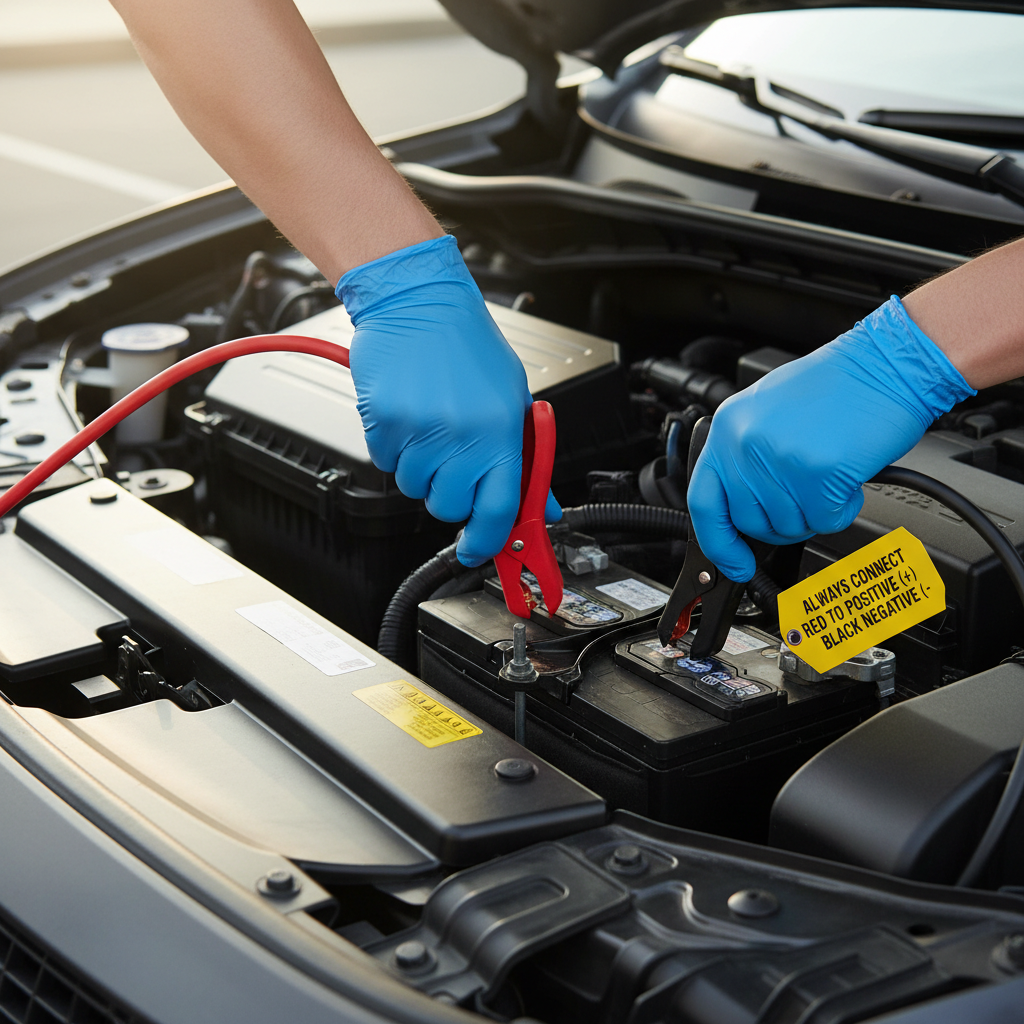
Common mistakes that make a good jump starter feel “weak”
If a unit gets called “junk” in reviews, it is often because of a mismatch or a preventable setup problem. A few repeat offenders show up constantly.
- Buying too small for the engine, especially for trucks and cold climates.
- Clamps not biting metal, because terminals are corroded or the clamp sits on plastic covers.
- Trying to crank instantly instead of letting voltage stabilize for a minute.
- Charging the jump starter once, then forgetting it. Many packs hold charge well, but “well” is not the same as “forever.”
- Assuming the battery is the only issue. A failing starter, alternator, or bad ground can mimic a dead battery.
If you want the best jump starter for dead battery events to keep working, treat it like emergency gear: check it on a schedule, and keep the clamps clean.
Practical buying rules (so you can choose in 10 minutes)
This is the short list I would use if I had to buy one today without overthinking it.
- Match the claimed engine rating to your vehicle, then add a buffer if you see freezing temps.
- Prioritize safety and feedback: error indicators that tell you reverse polarity or low voltage save time.
- Look for sturdy cables. If product photos avoid showing cable thickness, that is a hint.
- Choose charging you will actually use: if you live on USB-C, get USB-C input; if you road-trip, a solid 12V car charger helps.
- Warranty and support matter because lithium packs can fail early if quality control is inconsistent.
When a jump starter is not enough (and when to get help)
A jump pack solves a lot, but it cannot fix a battery that is physically failing or a charging system problem. If any of these show up, it is usually smarter to stop experimenting.
- Battery case looks swollen, cracked, or leaking. Avoid jumping and consult a professional.
- Car starts, then dies quickly, which may point to alternator or electrical issues.
- Repeated no-start within days, often a weak battery, parasitic draw, or charging fault.
- Strong burning smell, heat, or smoke near cables or battery area, step back and get assistance.
According to CDC general guidance on chemical exposures, avoiding direct contact with battery fluids and seeking appropriate help is prudent, and if you suspect exposure or injury you should consider contacting a medical professional.
Key takeaways and my simple recommendation
If you only remember three things, make them these: match the jump starter to your engine, buy for your coldest day not your average day, and do not let the pack sit uncharged for months.
For many drivers, a mid-size model with solid safety protections ends up feeling like the best jump starter for dead battery moments because it covers daily driving plus winter surprises without being bulky.
Your next action can be simple: check your engine size, decide whether you need a cold-weather buffer, then narrow your shopping to a few reputable models with strong clamp/cable design and a warranty you can live with.
FAQ
- What specs should I trust most when buying a jump starter?
Engine size rating (gas vs. diesel), clamp and cable build, and safety protections tend to predict real-world success better than peak-amp claims. - Is a jump starter safe to keep in a hot car trunk?
Heat can stress lithium batteries over time. Many products are designed for vehicle storage, but it is wise to follow the manufacturer’s temperature guidance and check charge more often in extreme climates. - How often should I recharge a portable jump starter?
It depends on the model, but many owners do well with a monthly check or a quick top-off every 2–3 months, especially before winter travel. - Why won’t my car start even with a jump starter connected?
Common causes include poor clamp contact, a severely discharged or damaged battery, or a non-battery issue such as a failing starter or bad ground connection. - Can I jump-start a completely dead battery (0 volts) with any pack?
Not always. Some packs have a manual override or low-voltage mode, but using it incorrectly can be risky, so read the manual carefully and consider professional help if you are unsure. - Do I need a jump starter if I already have jumper cables?
Jumper cables work if another car is available and positioned safely, but a portable pack is often faster and more convenient when you are alone or parked in a tight spot.
If you are shopping for a jump starter and want a quicker short list, it helps to share your vehicle, engine size, and winter temperatures you deal with, then you can narrow to a few models that fit your situation instead of guessing from peak-amp labels.