
Weed puller tool standing is one of those simple tools that can feel like magic in the store, then frustrating in the yard if you pick the wrong style or use it on the wrong weeds.
If you want fewer weeds without kneeling, bending, or spraying every time, a stand-up weeder is usually a practical middle ground. It can be fast, surprisingly satisfying, and a lot easier on your back, but only when you match the tool to your soil and the weeds you actually have.
This guide breaks down what makes these tools work, how to choose one that fits your yard, and the small technique tweaks that stop the “it just snapped the top off” problem.
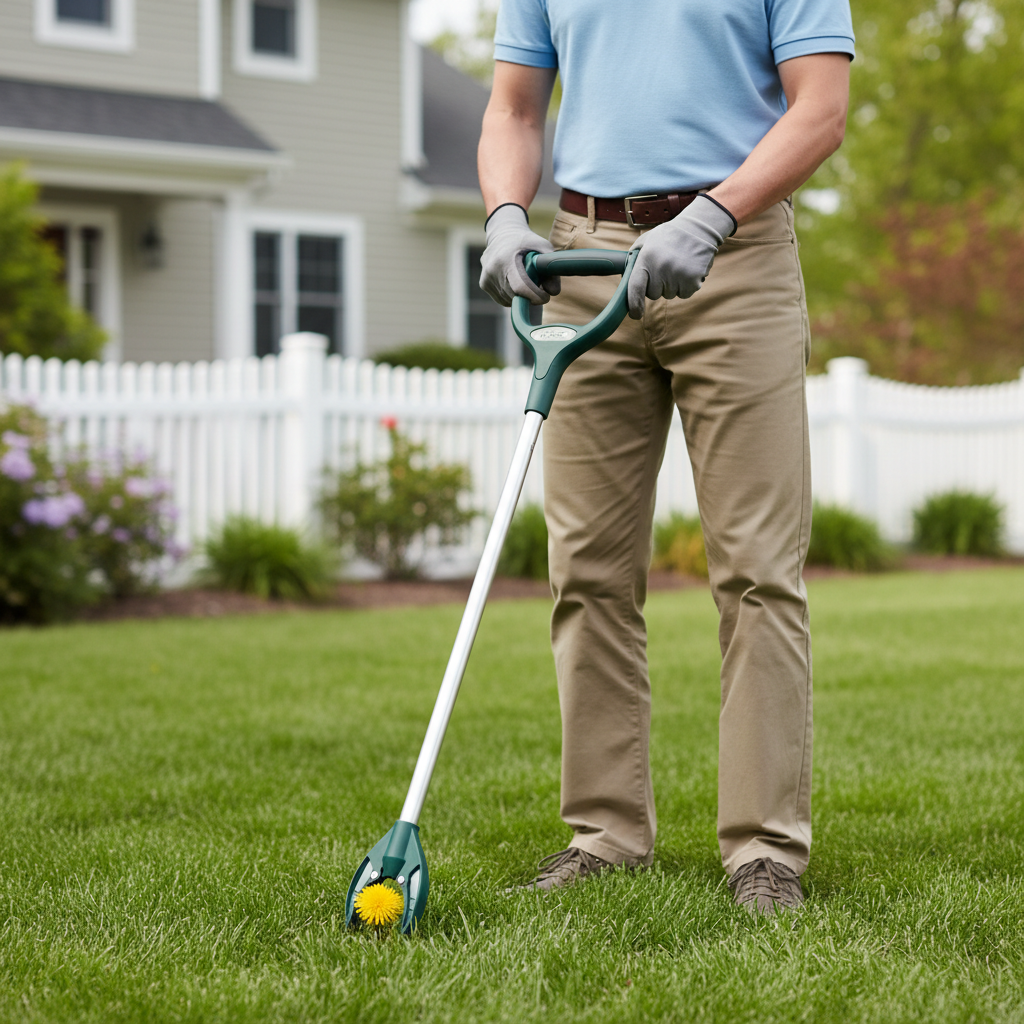
Why a stand-up weed puller works (and why it sometimes doesn’t)
A standing weed puller relies on a simple idea: grab the root crown and leverage it out. Instead of pulling with your fingers, the tool’s jaws or claws clamp down near the base, then a foot pedal and lever arm multiply your force.
When it fails, it’s usually not “bad luck,” it’s a mismatch between tool design and conditions.
- Soil too dry or compacted: claws can’t penetrate deep enough, so you tear the stem.
- Weed type isn’t a taproot: crabgrass and many grassy weeds spread laterally; you’ll remove a tuft, not the full system.
- Wrong bite point: if you clamp above the crown, you often snap growth and leave the root to re-sprout.
- Thin lawns and loose soil: the tool may pop out plugs and leave divots, which feels messy if you don’t backfill.
According to the University of California Agriculture and Natural Resources, hand removal is most effective when you remove as much of the root system as possible, especially for perennial weeds that regrow from roots. A standing puller can do that well, but it’s not universal for every weed.
Quick self-check: is a standing weeder the right tool for your yard?
If you’re on the fence, use this quick checklist. If you hit most “yes” answers, you’ll probably like a stand-up puller.
- Yes if you mostly fight dandelion, thistle, plantain, dock, or other taproot weeds.
- Yes if kneeling hurts your knees or back, or you want to garden in short bursts.
- Yes if you can tolerate small soil plugs and plan to brush/seed thin spots.
- Maybe if your soil is heavy clay that bakes hard; you may need pre-watering.
- Maybe if your main problem is crabgrass, bermudagrass, nutsedge; other approaches can be more efficient.
- No if you need to clear large areas of low weeds fast; a hoe, smothering, or renovation may be more realistic.
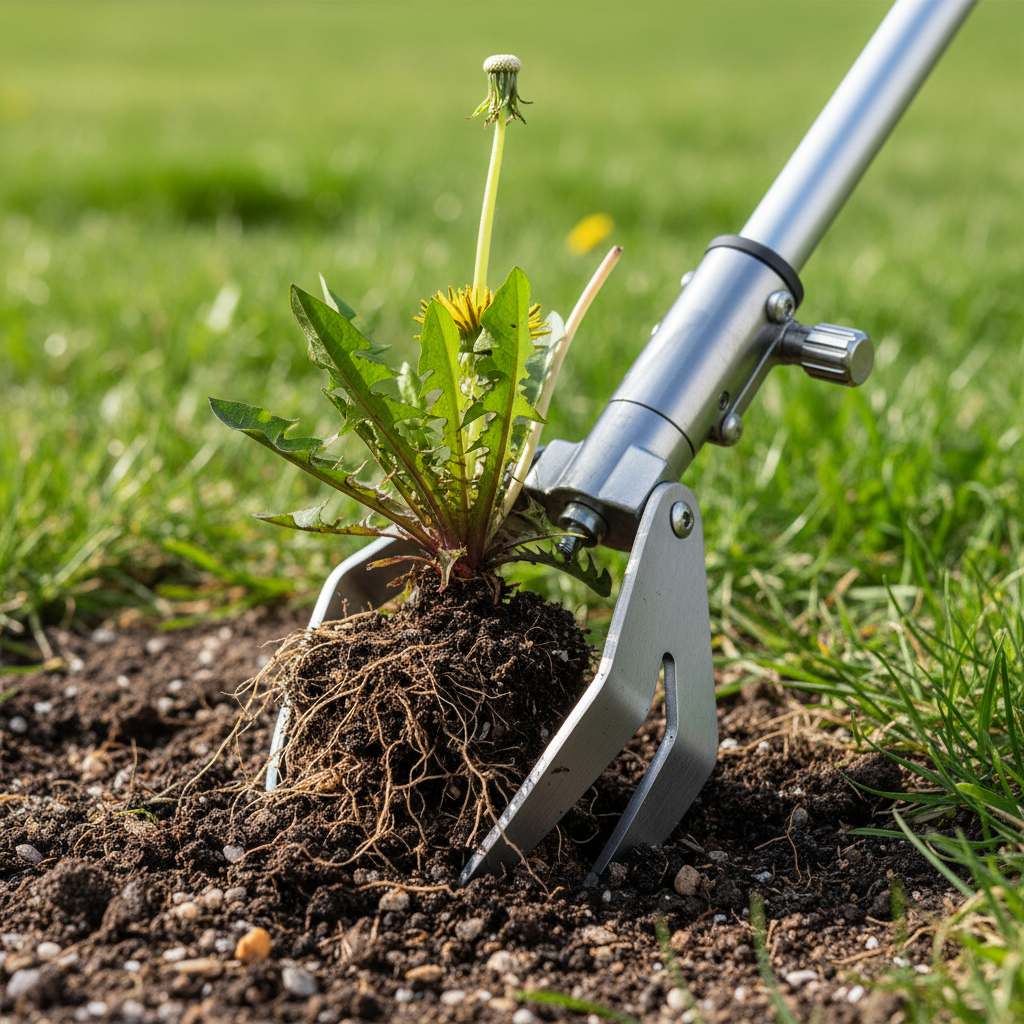
Types of standing weed puller tools (and what each does best)
“Stand-up weeder” gets used for a few different mechanisms. They’re not interchangeable, and the best choice depends on what you pull most often.
1) 3- or 4-claw lever weed pullers
This is the classic design: step on a pedal, claws drive in, then you rock the handle back. It shines on dandelions and similar weeds, especially in lawns.
- Best for: taproots in turf, occasional weeds across the yard
- Tradeoff: can remove a small plug of soil, leaving a divot
2) Fork-style stand-up pullers
These act more like a long-handled dandelion fork. Less mechanical advantage, more precision, often less plugging.
- Best for: garden beds, weeds near desired plants
- Tradeoff: more effort in hard ground
3) Gripper-and-eject designs
Some tools focus on clean ejection so you don’t touch the weed. Convenient, but the “eject” is only as good as the grip.
- Best for: frequent small jobs, people who dislike handling weeds
- Tradeoff: cheaper models can slip on thick crowns
Buying guide: what to look for before you click “Add to Cart”
If you want one weed puller tool standing style that lasts and feels good to use, prioritize build and ergonomics over gimmicks. These are the details that matter after week three.
- Handle height: ideally reaches mid-chest so you can lever without hunching. Adjustable shafts help if multiple people use it.
- Foot pedal size and traction: wide enough for a sneaker, grippy when the lawn is damp.
- Claw material and thickness: thicker metal resists bending in compact soil; look for solid connections, not flimsy rivets.
- Jaw spacing: wider spacing handles thick crowns, but can struggle to “bite” tiny weeds.
- Ejection mechanism: easy to clear with one hand, not a fiddly plastic latch.
- Weight balance: too light can feel flimsy, too heavy becomes tiring if you’re doing dozens of pulls.
One more real-world point: warranty and replacement parts aren’t exciting, but they matter. Standing weeders live a hard life in dirt and moisture.
How to use a standing weed puller tool (step-by-step, with the small tricks)
Weed puller tool standing technique matters more than most people expect. A few inches and a little timing decide whether you get the root or just the leaves.
Step 1: Pick the right moment
Moist soil is your friend. If the ground is dry, water the area lightly and wait 10–30 minutes so moisture moves down a bit. After rain can be perfect, as long as you’re not compacting soil by stomping around.
Step 2: Find the crown, not the leaves
Aim the claws right at soil level where the stems meet. If you clamp high, you’re basically pruning.
Step 3: Press straight down with your foot
Use your body weight, not a stomp. In tough soil, a second steady press often works better than forcing the lever early.
Step 4: Rock back slowly, then lift
That slow rock gives the claws time to keep purchase around the root. Jerking is when you slip and leave half behind.
Step 5: Eject and backfill
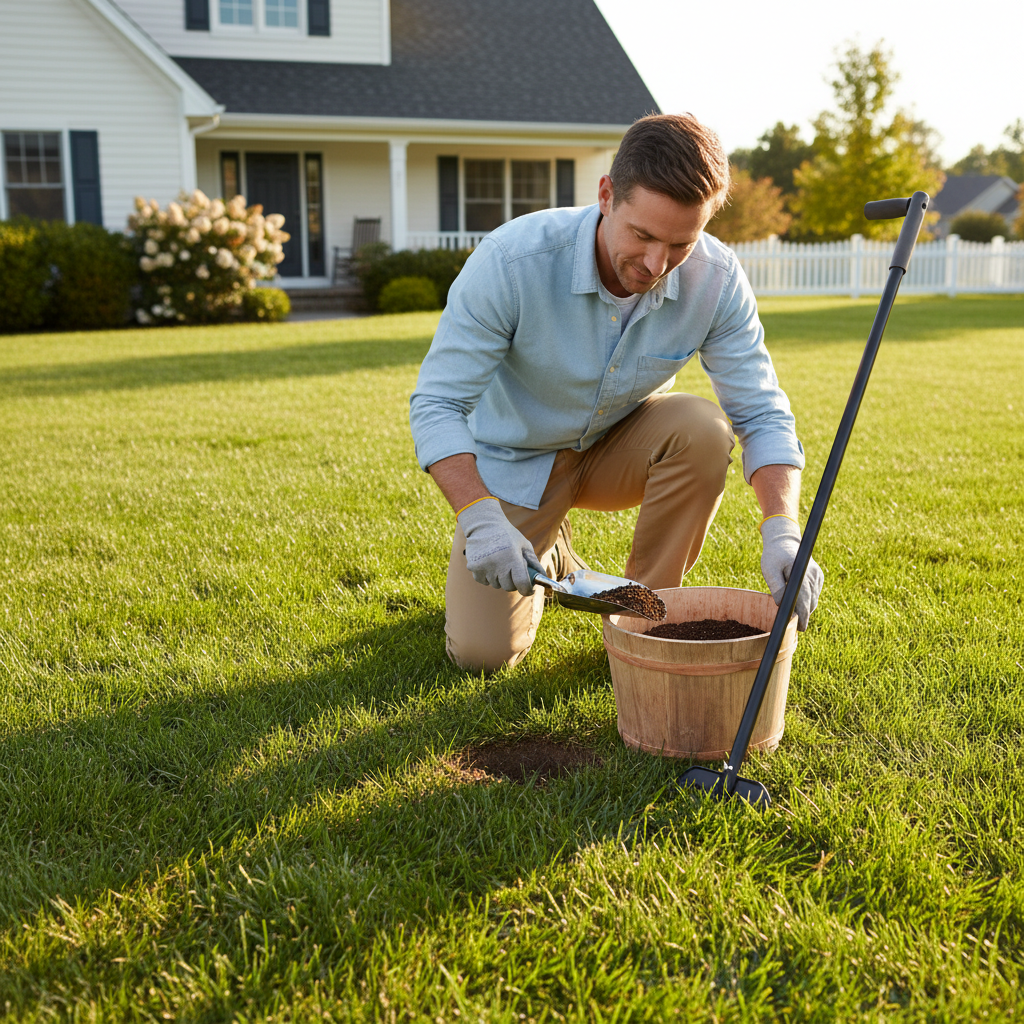
Eject into a bucket or yard bag. If you pull a plug, press the turf back with your shoe and sprinkle a pinch of seed if the spot looks thin.
Comparing options: standing weeder vs other weed control methods
It helps to be honest about what you want: speed, “no chemicals,” less bending, or long-term reduction. Different tools win in different lanes.
| Method | Best use | Pros | Cons |
|---|---|---|---|
| Standing weed puller | Taproot weeds in lawns | Less bending, targeted removal, no spray needed | Leaves divots sometimes, slower for large infestations |
| Hand pulling | Small beds, soft soil | Precise, minimal disturbance if careful | Knees/back strain, easy to break roots |
| Hoeing | Garden rows, annual weeds | Fast coverage, good for tiny seedlings | Can miss deep roots, not great in turf |
| Mulch/smothering | Beds, pathways | Prevents new weeds, improves soil over time | Upfront effort/materials, not for lawns |
| Herbicides | Large areas, specific weeds | Efficient when matched to weed type | Misuse risk, drift, label restrictions; may require caution around kids/pets |
According to the U.S. Environmental Protection Agency (EPA), pesticide labels provide key safety and use instructions. If you choose any herbicide route, follow the label carefully and consider local guidance, especially near waterways or sensitive areas.
Common mistakes (the stuff that makes people give up too soon)
- Pulling only when weeds are huge: mature weeds anchor deeper and fight harder. Small-to-medium is the sweet spot.
- Ignoring repeat cycles: even with great pulls, some perennials or missed fragments can return. Plan on checking weekly for a month.
- Using it like a spear: if you “stab” at an angle, the claws don’t surround the root.
- Skipping lawn recovery: bare divots invite new weeds. A pinch of seed and light soil can save you from round two.
- Expecting it to solve grassy weeds: you may reduce them, but many will need cultural control like mowing height, overseeding, or targeted products.
When it’s worth getting professional help
If you’re seeing weeds everywhere even after consistent pulling, the issue may be bigger than the visible plants. Thin turf, compacted soil, poor drainage, and incorrect mowing height can all tip the balance toward weeds.
- If you suspect aggressive invasives spreading quickly, local extension offices often have guidance on identification and control.
- If you’re considering chemicals but have kids, pets, or health concerns, it can be smart to consult a licensed lawn care professional or your county extension for safer options that fit your situation.
- If your yard has persistent patches (same spot every season), a soil test and turf plan may save time versus endless pulling.
Key takeaways and practical next steps
A weed puller tool standing works best when you treat it like a targeted root-removal tool, not a one-size-fits-all solution. If your weeds are mostly taproot types and you want less bending, it’s often a worthwhile upgrade.
- Do this today: water a small problem area, practice on 5–10 weeds, and check whether you’re getting roots consistently.
- Do this this week: backfill divots, overseed thin spots, and keep an eye on regrowth so you catch returns early.
FAQ
What weeds work best with a standing weed puller?
Taproot weeds are usually the best match, like dandelions, thistles, and plantain. If you can see a single central crown and the plant doesn’t spread by runners, you’ll often get cleaner pulls.
Why does my stand-up weeder only pull the leaves?
Most of the time the jaws clamp too high, or the soil is too hard for the claws to get deep enough. Try watering first, then place the tool so the claws bite right at the crown at soil level.
Will a weed puller tool leave holes in my lawn?
Many models remove a small plug, especially in looser soil. Press the turf back, add a pinch of topsoil if needed, and sprinkle seed in thin areas to keep weeds from reclaiming the spot.
Is a standing weed puller good for crabgrass?
It can remove some clumps, but crabgrass spreads and roots along stems, so you may not solve the whole problem by pulling. For recurring crabgrass, lawn thickness, mowing height, and seasonal prevention often matter more.
How often should I use a stand-up weed puller?
Small, frequent sessions tend to work better than waiting for a big weekend battle. A quick walk every 7–10 days in peak season keeps weeds from seeding and reduces the workload.
Can I use a standing weed puller in mulch beds?
Yes, especially fork-style or claw tools used carefully, but watch for disturbing nearby plants. In beds, combining pulling with added mulch often gives longer-lasting results.
Do I need to wear gloves or safety gear?
Gloves are a good idea because some weeds irritate skin and you may handle soil and debris. If you have allergies or sensitive skin, consider long sleeves, and if you’re unsure about plant ID, ask a local expert.
If you’re trying to keep your yard tidy without kneeling or relying on sprays, a standing weeder can be a genuinely satisfying tool once you pick the right style for your weeds and soil, and if you want a quicker recommendation, share your main weed types and whether your soil runs sandy or clay-heavy, and you can narrow the options fast.