
The best pipe cutter for copper pipes is the one that matches your pipe size, access space, and how clean you need the cut, not the one with the most features on the box. If you pick the wrong style, you usually pay for it with crooked cuts, crushed tubing, or a tool that simply won’t fit where the pipe sits.
Copper is forgiving in some ways, but it’s also easy to kink if you rush, and it’s easy to leave a burr that causes noisy flow or poor solder joints later. A pipe cutter is a small purchase that can quietly decide whether the rest of your plumbing work feels smooth or turns into a weekend of redoing connections.
Below is a practical 2026-focused guide to the common cutter styles, what they’re good at, and how to choose based on real job conditions like tight studs, finished walls, and old work copper that isn’t perfectly round anymore.
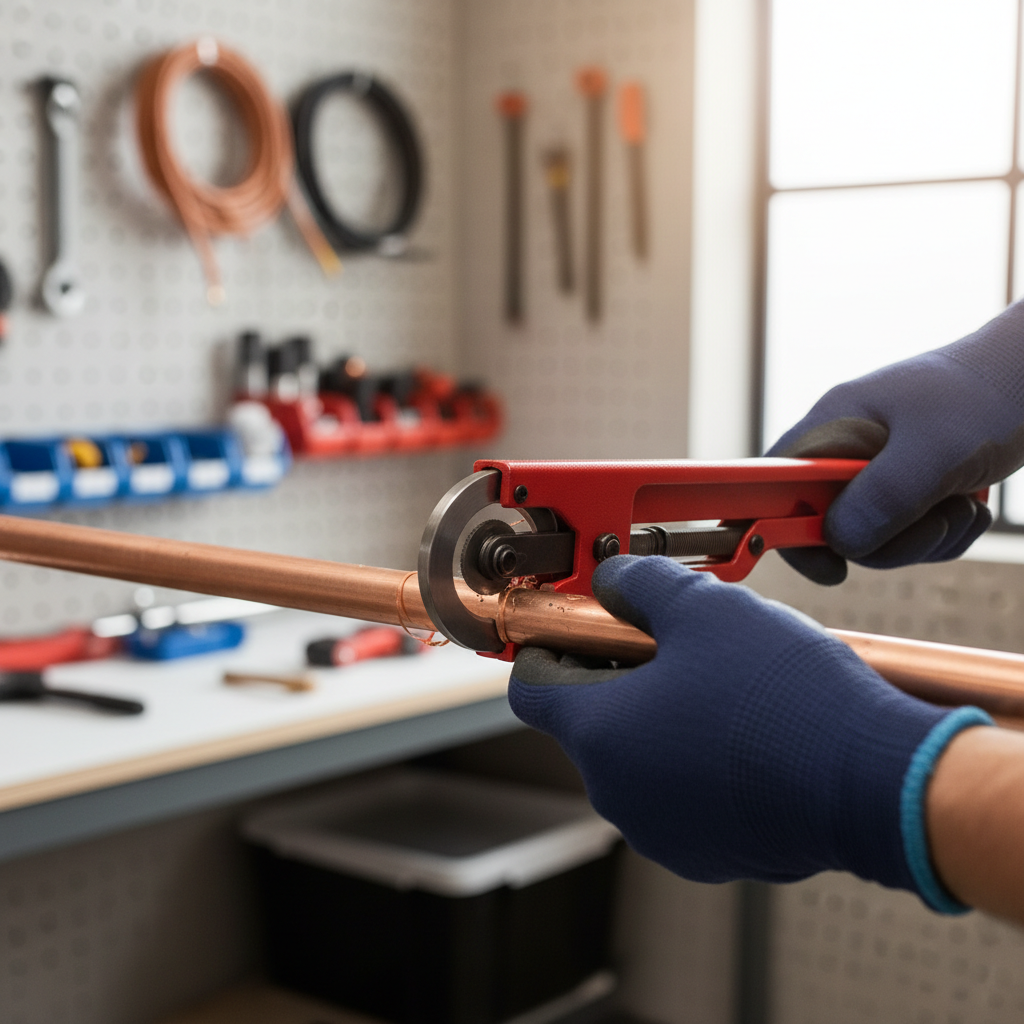
What makes a pipe cutter “best” for copper (and what doesn’t)
For copper, “best” usually comes down to cut quality, control, and clearance. Copper tubing wants a clean, square cut so fittings seat properly and deburring is quick.
- Cut squareness: A solid frame and stable rollers help the wheel track straight instead of walking.
- Clean edge with minimal deformation: Good wheels score consistently, cheaper wheels can chatter and oval the tube.
- Fits the space you actually work in: In a cabinet or between studs, a compact or close-quarters cutter often beats a full-size model.
- Wheel longevity and availability: Replaceable wheels matter because copper work can eat edges over time.
- Comfort and speed: A smooth feed knob and decent grip reduce hand fatigue on multiple cuts.
What doesn’t matter as much as ads suggest: extreme max capacity you never use, gimmicky multi-tools that compromise rigidity, or “universal” cutters that do ten materials but don’t do copper cleanly.
Quick comparison table: common cutter types for copper pipes
Most people land on one of these types. The table helps you narrow fast before you get lost in brand names.
| Type | Best for | Typical copper sizes | Pros | Tradeoffs |
|---|---|---|---|---|
| Standard tubing cutter | General service work, open access | 1/4"–1-1/8" (varies) | Square cuts, good control, durable | Needs swing room to rotate |
| Close-quarters cutter | Tight spaces near walls/joists | Often 1/4"–1" | Works where standard cutters can’t | Slower, more turns, less leverage |
| Ratcheting cutter (scissor style) | Speed on thin-wall copper, repeated cuts | Commonly up to 1" (tool-dependent) | Fast, minimal rotation needed | Can deform softer tubing if misaligned |
| Auto-feed/self-adjusting cutter | High-volume cutting, consistent workflow | Depends on model | Convenient, consistent pressure | Bulkier, higher cost, not always tight-space friendly |
If you’re trying to choose one tool only, a standard tubing cutter plus a close-quarters cutter is a common, realistic combo for homeowners and pros alike.
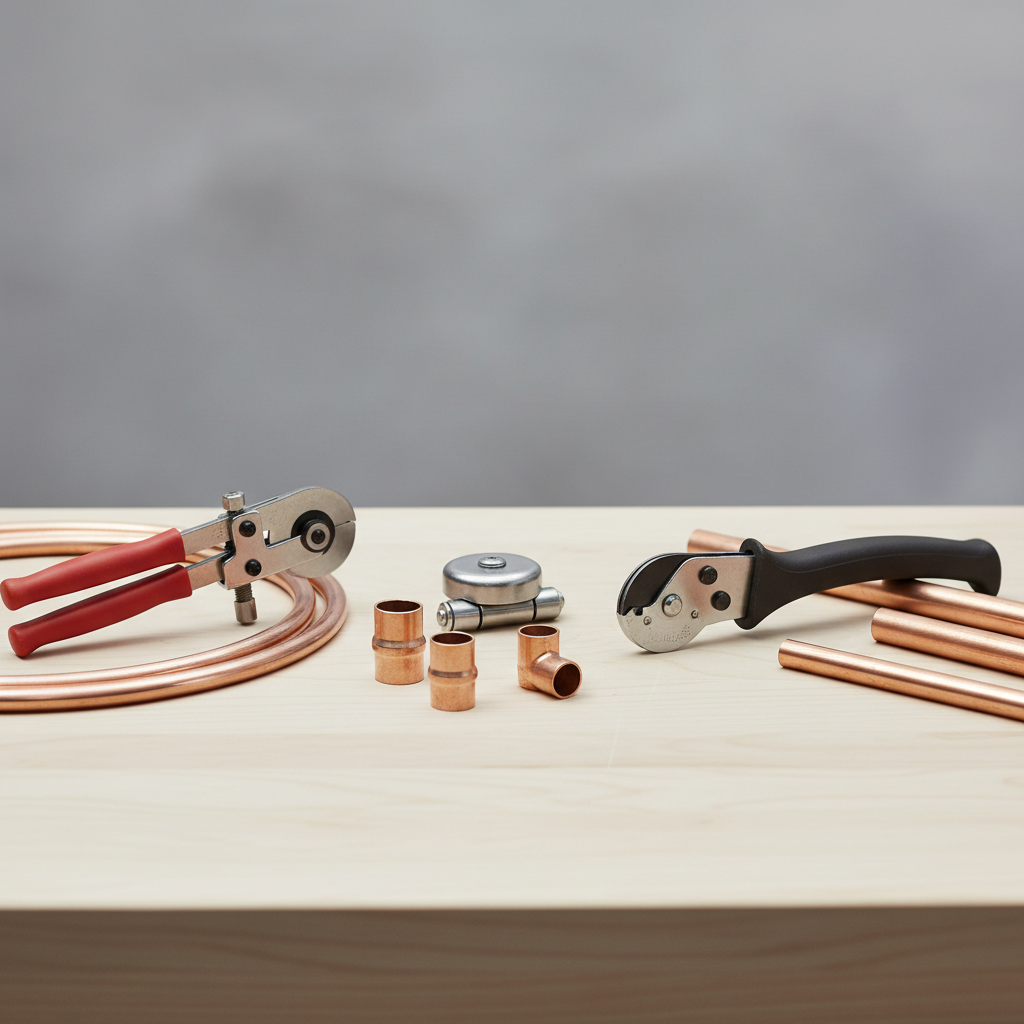
How to choose the best pipe cutter for copper pipes in 2026
Here’s the selection logic that tends to hold up in real projects. It’s less about “best overall” and more about “best for your constraints.”
1) Start with the pipe size, but don’t stop there
Know whether you’re working on 1/2" and 3/4" (most common in homes), or larger sizes. Then check the cutter’s range. A cutter that barely fits your size can feel awkward and may track worse.
2) Consider access: can you rotate the tool?
If the pipe sits 1" from drywall, a full-size cutter might physically fit but won’t rotate. Tight access is where people regret the purchase. In those cases, a close-quarters cutter or a ratcheting cutter usually wins.
3) Decide how “finish-grade” the cut must be
For soldering or press fittings, cleaner cuts reduce prep time and help connections seat evenly. If you’re doing rough-in work, the same still matters, but you might tolerate slower deburring.
4) Look at wheel design and replaceability
A sharper, harder wheel tends to cut cleaner with less knob tightening. Replaceable wheels are the difference between a long-term tool and a disposable one.
5) Don’t ignore the handle and feed knob
Comfort sounds minor until you make twenty cuts in a row. A smooth feed mechanism helps you avoid over-tightening, which is a common cause of flattened copper.
Self-check list: which cutter type fits your situation?
If you want a quick decision without overthinking, use this list. You can check multiple boxes; that usually means you need two tools, not one.
- I have plenty of space around the pipe → Standard tubing cutter.
- The pipe is close to a wall, joist, or cabinet back → Close-quarters cutter.
- I need speed on many cuts in a row → Ratcheting cutter or auto-feed model.
- I’m working on older copper that may be slightly out of round → Rigid-frame standard cutter, take slower passes.
- I’m cutting near finished surfaces → Compact cutter plus a plan to protect surfaces from the tool body and metal shavings.
When someone asks for the best pipe cutter for copper pipes, this checklist is usually the honest answer: buy for access and cut quality, then add speed features only if you’ll actually use them.
How to cut copper pipe cleanly (step-by-step, no drama)
The technique matters as much as the tool. Even a premium cutter can leave a bad edge if you crank too hard.
- Mark the cut with a fine marker so you can track wheel alignment.
- Seat the pipe in the rollers, place the wheel on the mark, then snug the knob until it grips.
- Rotate and tighten gradually: turn the cutter around the pipe, then tighten a little, repeat. If you tighten aggressively, copper can oval.
- Finish the cut when the pipe separates cleanly, avoid bending the last bit to “snap” it.
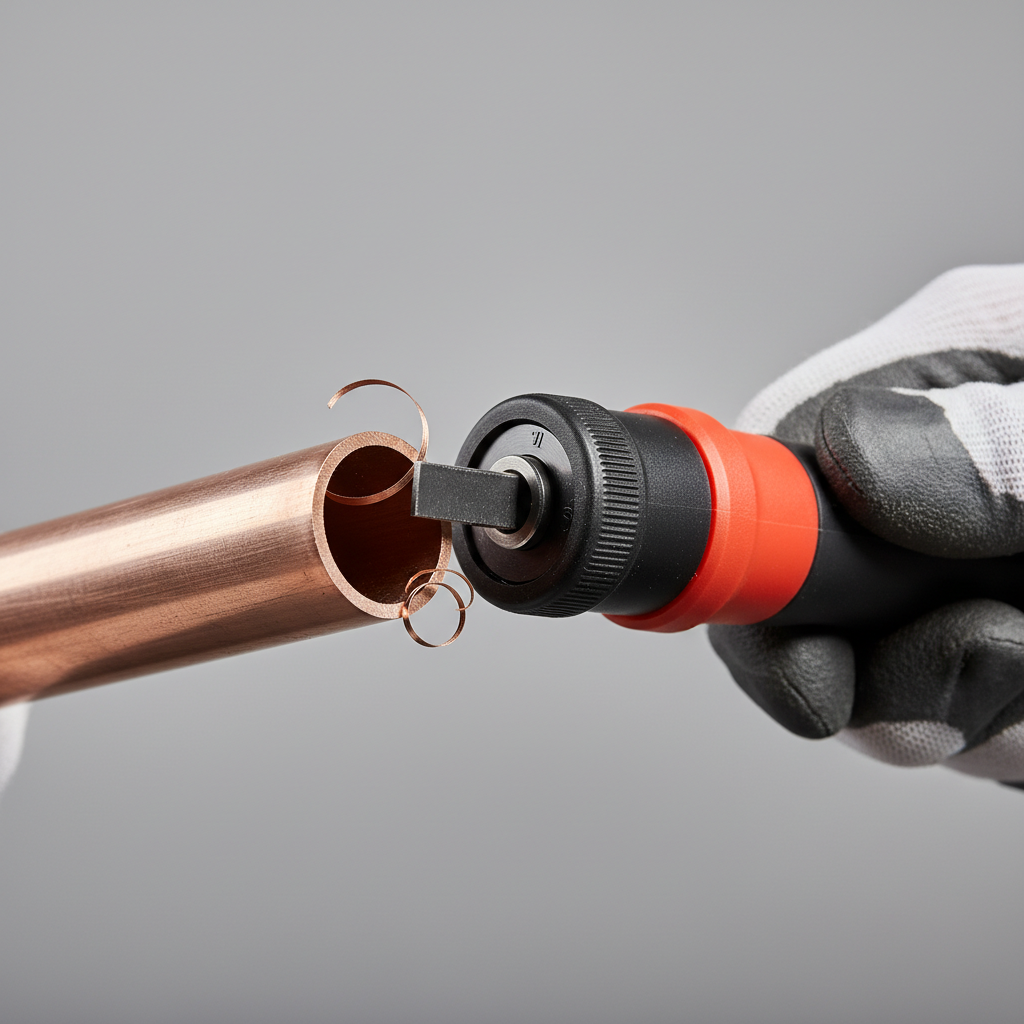
- Deburr inside and outside: use the cutter’s reamer or a dedicated deburring tool, then lightly chamfer the outer edge if needed.
According to OSHA, controlling sharp edges and using appropriate PPE is part of basic jobsite safety; even on a home project, eye protection and careful handling can reduce avoidable cuts.
Common mistakes that make copper cuts look “fine” but fail later
A lot of copper issues show up later as leaks, noisy flow, or fittings that never feel quite seated. These are the usual culprits.
- Over-tightening each pass: can flatten the tube, especially on softer copper. Tighten in small steps.
- Skipping deburring: burrs can restrict flow, scrape O-rings, or keep the pipe from fully seating.
- Using a worn wheel: it can wander, chatter, and leave a rough edge that takes forever to clean up.
- Trying to cut too close to a fitting: the cutter may not sit square, a close-quarters tool helps but still needs room.
- Mixing up tube vs. pipe sizing: copper “pipe” in plumbing often refers to tubing sizes; double-check the actual OD/nominal size on your fittings.
If your goal is a reliable connection, a cutter that tracks straight plus disciplined deburring beats chasing “faster” every time.
When a different tool beats a pipe cutter (and when it doesn’t)
Sometimes the best move is not forcing a cutter into a bad situation.
Good alternatives in specific cases
- Fine-tooth hacksaw + miter box: workable for occasional cuts, but squareness depends on your setup, and deburring is non-negotiable.
- Reciprocating tool with a metal blade: can help in demolition or rough cuts, but the edge often needs extra cleanup and it’s easy to nick nearby materials.
- Rotary tool: for tiny, awkward access, though heat and burr control can be annoying.
When to stick with a tubing cutter
For most plumbing connections, a tubing cutter remains the cleanest, most consistent option. If you’re shopping for the best pipe cutter for copper pipes, it’s usually because you want predictable results without turning pipe prep into a separate project.
Conclusion: what to buy if you want one solid answer
If you’re doing typical U.S. home plumbing work in 2026, the practical “best” choice is often a quality standard tubing cutter sized for your common copper lines, plus a close-quarters cutter if you expect any tight access at all. Add a ratcheting style only when speed matters and you’re confident it won’t deform your tubing in your use case.
Action steps: check your most common pipe sizes, think honestly about where you’ll cut, then budget for deburring tools and spare wheels. That small bundle usually saves more time than upgrading to a fancier cutter that doesn’t fit the job.
Key takeaways
- Fit and clearance matter as much as sharpness for copper cuts.
- Deburring is not optional if you care about seating and long-term reliability.
- A standard cutter + close-quarters cutter covers most real-world scenarios.
FAQ
- What size pipe cutter do I need for 1/2-inch copper?
Most standard tubing cutters cover 1/2-inch easily, but check the tool’s stated range. If you’re cutting close to a wall, a close-quarters cutter sized for that range can be more useful than a bigger frame. - Is a ratcheting copper pipe cutter better than a wheel cutter?
It can be faster, especially when you can’t rotate a tool around the pipe, but alignment matters. For the cleanest, most square cuts, wheel-style tubing cutters often stay more consistent. - Why is my copper pipe getting crushed when I cut it?
Over-tightening is the common cause, especially early in the cut. Tighten in small increments and let the wheel do the work; also check for a dull wheel or a cutter that doesn’t match the pipe diameter well. - Do I really need to deburr copper pipe after cutting?
In many plumbing connections, yes. Burrs can interfere with seating and may damage seals on some fitting types, so deburring is a small step that often prevents bigger headaches. - Can I use the same cutter for copper and PVC?
Some tools claim multi-material use, but they don’t always excel at both. PVC is usually easier with dedicated plastic cutters or a saw, while copper benefits from a wheel cutter for clean edges. - What’s the difference between copper pipe and copper tubing for cutters?
In plumbing talk, copper lines are commonly sized as tubing (CTS), and fittings follow that convention. Practically, you want a cutter rated for the nominal size you’re working with, and you should confirm actual outside diameter when in doubt. - How do I know when the cutter wheel needs replacement?
If the wheel chatters, wanders off the mark, or leaves rough edges even with good technique, it’s often time. Keeping a spare wheel on hand is cheap insurance when you’re mid-project.
If you’re trying to pick a cutter without buying twice, bring your pipe size list and your “tightest access” scenario to the decision, that’s usually where purchases go wrong, and it’s also where the right tool feels like a relief.