
Grease gun manual lever tools are popular for one simple reason: they give you control, even when you’re working on stubborn fittings in real-world conditions. If you’ve ever dealt with grease that won’t flow, a coupler that keeps popping off, or a job that turns into a slippery mess, the issue is usually technique, setup, or a mismatch between grease and the application.
This guide focuses on practical lubrication: how a manual lever grease gun works, what actually causes the usual headaches, and how to get consistent grease delivery without overdoing it. You’ll also get a quick selection checklist, a comparison table, and a few habits that keep the gun reliable over time.
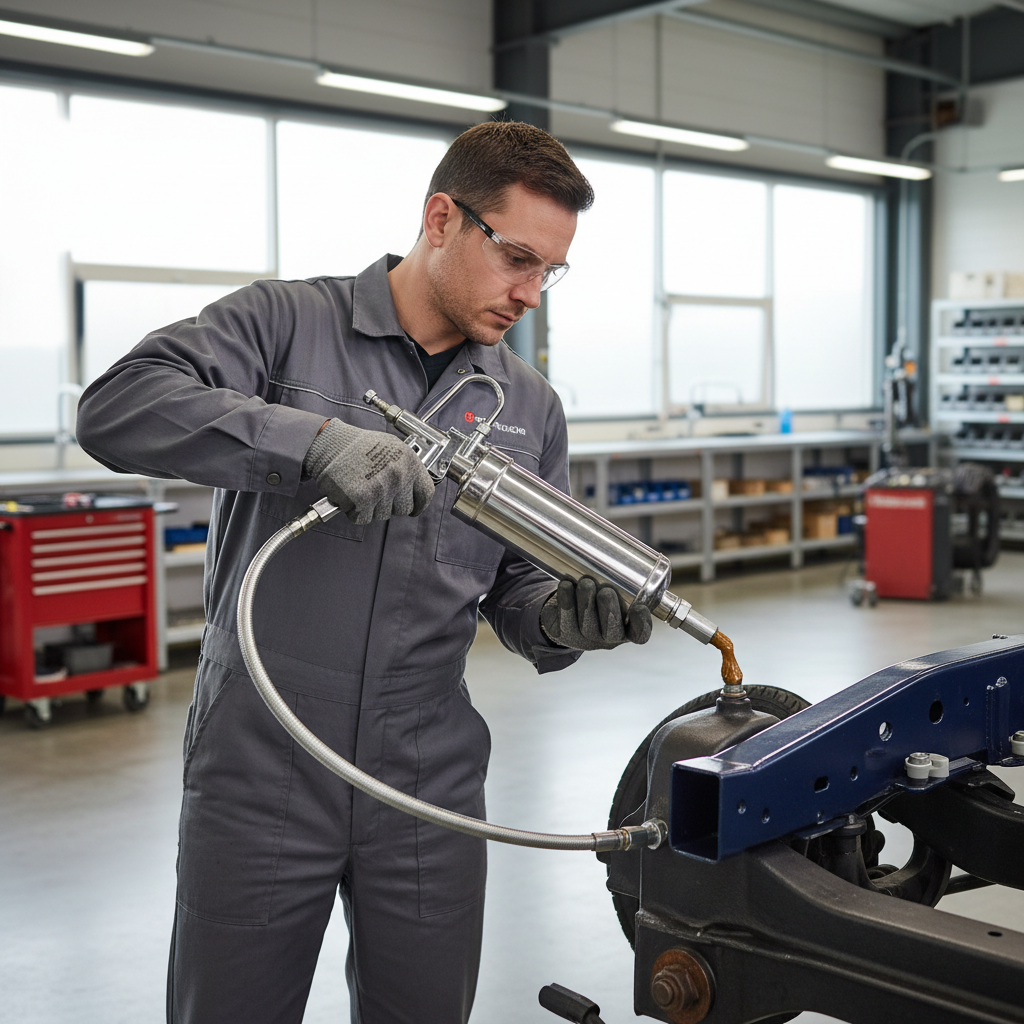
One quick note before we get tactical: lubrication is rarely about pumping “more.” It’s about getting the right grease to the right point, in the right amount, without contaminating the system or blowing out seals.
Why a manual lever grease gun still makes sense
Battery and pneumatic options get attention, but a lever unit remains a go-to in many shops, farms, and fleets because it’s predictable and easy to maintain. If you can’t depend on air lines, don’t want batteries on a service truck, or just need a durable tool, a lever gun fits.
- High pressure on demand: Lever action can generate high pressure, helpful for fittings that resist flow, though excessive pressure can also create problems if you keep forcing it.
- Better “feel”: You can sense back-pressure and stop before you damage seals or blow a fitting off.
- Lower complexity: Fewer parts than powered alternatives, and field fixes are usually simpler.
- Cost-effective coverage: Many teams keep multiple guns dedicated to different greases to avoid cross-contamination.
According to NLGI (National Lubricating Grease Institute)... grease selection and handling practices matter as much as the dispensing tool, especially for contamination control and consistency.
Common problems and what usually causes them
Most “bad grease gun” complaints trace back to a few repeat offenders. Fix the root cause and the tool often behaves like new.
1) Hard to pump, or the lever feels locked
- Air lock in the barrel, especially after cartridge changes.
- Cold grease that’s too stiff for ambient temperature.
- Blocked fitting or collapsed line, so pressure has nowhere to go.
2) No grease comes out, even though you’re pumping
- Follower plate not seated correctly or the cartridge pull-tab left inside.
- Coupler not fully engaged on the zerk, so grease escapes internally or around the jaws.
- Grease separation or incompatible mix in the barrel, causing inconsistent feed.
3) Coupler pops off or grease sprays
- Worn coupler jaws or a rounded/dirty zerk fitting.
- Side-loading the coupler because of awkward angles.
- Excessive back-pressure from a plugged passage, and you keep forcing it.
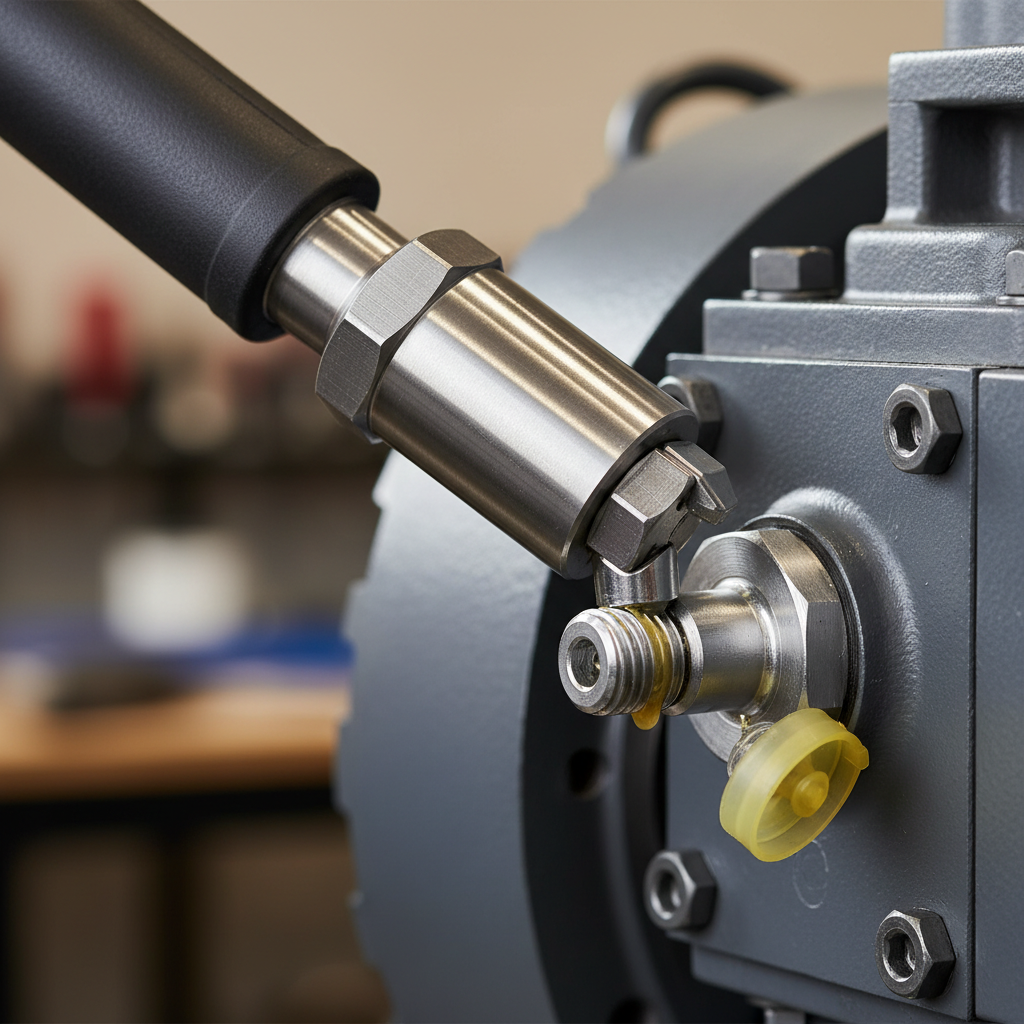
If you recognize any of these, don’t jump straight to “buy a new gun.” Many fixes take under five minutes, especially air bleeding and coupler inspection.
Quick self-check: what type of situation are you in?
Use this to decide whether you’re dealing with a setup issue, a component issue, or a lubrication-point issue.
- Lever gets stiff immediately → likely air lock, cold grease, or blocked fitting.
- Lever moves easily but no grease appears → follower/cartridge seating issue, coupler not sealing, or grease channeling.
- Grease appears around the coupler → coupler jaws worn, zerk damaged, or you’re at an angle.
- Grease comes out but joint still squeaks → wrong grease type, missed fitting, or you’re greasing the wrong point.
- You see ruptured seals or grease blowing out → too much pressure/volume, or the point can’t accept grease.
Key point: If the fitting refuses grease, forcing a grease gun manual lever can turn a minor maintenance task into a seal replacement.
How to choose the right manual lever grease gun (and avoid regret)
Selection is less about brand hype and more about matching your work style: where you grease, how often, and what grease you use.
Selection checklist
- Compatibility: 14 oz cartridge vs bulk fill, and whether you need a filler nipple for shop systems.
- Pressure rating: Higher pressure helps with stubborn fittings, but also increases the risk of damage if misused.
- Coupler type: Standard 4-jaw vs locking coupler for hard-to-reach zerks.
- Hose length: Short for control in tight bays, longer for reach on equipment.
- Ergonomics: Lever throw and handle grip matter more than people admit, especially for high-volume routes.
Manual lever vs pistol-grip (quick comparison)
| Feature | Manual Lever Grease Gun | Pistol-Grip Grease Gun |
|---|---|---|
| Pressure capability | Often higher, better for stubborn zerks | Typically moderate, easier for light-duty |
| Control/feel | Very good feedback through lever | Good, but less leverage when stuck |
| One-handed use | Usually two-handed in practice | Often easier one-handed |
| Best fit | Fleet, farm, heavy equipment, occasional tough points | Light equipment, frequent small shots, tighter workspaces |
How to prime and use a lever grease gun (step-by-step)
This is where most frustration starts. Priming sounds basic, but a tiny air pocket can make the tool feel “broken.”
Cartridge loading and priming
- Pull the plunger rod fully back and lock it, then unscrew the barrel.
- Insert cartridge, remove the pull-tab seal, reinstall the barrel.
- Release the plunger rod slowly so it seats against the follower.
- Bleed air: many guns have a bleed valve; crack it until grease (not air) appears. If no valve, slightly loosen the head while pumping carefully, then retighten.
Greasing a fitting without making a mess
- Wipe the zerk with a clean rag before attaching the coupler.
- Attach coupler straight-on, then apply steady lever strokes.
- Watch for fresh grease purge at the joint, and stop once you see clean grease or resistance increases.
- Remove the coupler by twisting slightly, not yanking sideways.
According to OSHA... employers should control slip hazards and exposure to chemicals in workplaces, so keeping grease off walking surfaces and wearing appropriate PPE is a practical safety step, not just “being neat.” If you’re unsure what PPE fits your grease and environment, it’s reasonable to ask your safety lead or review the product SDS.
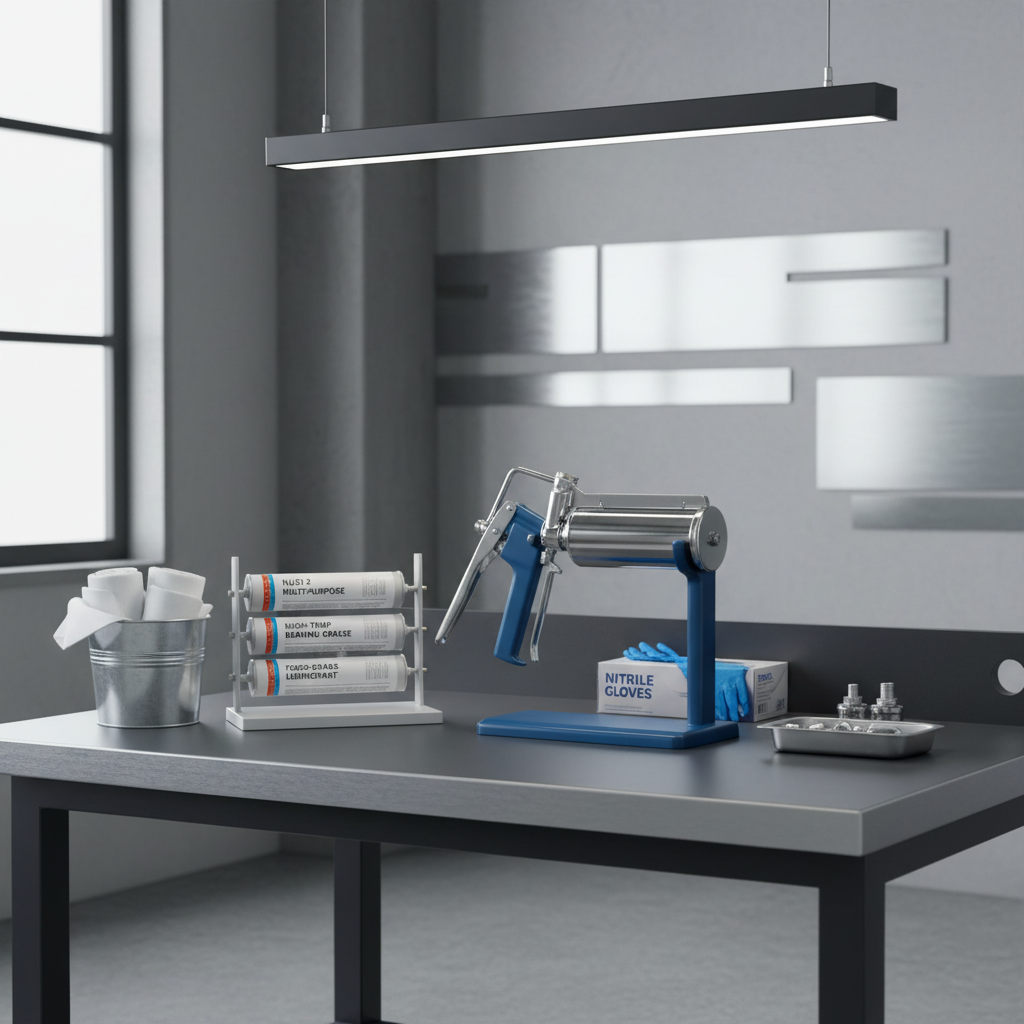
Practical tip: If you’re servicing multiple machines, label the gun for each grease type. Mixing greases can cause thickening or separation in some combinations, and the result looks like “random” lubrication failures.
Troubleshooting guide: quick fixes that usually work
When a grease gun manual lever starts acting up mid-job, try these in order, because they move from least invasive to more involved.
- Re-seat the coupler: remove, wipe, reconnect straight. Many “clogs” are just a poor seal.
- Bleed the air: use the bleed screw/valve, or carefully loosen the head and pump until grease appears.
- Warm the grease: if you’re in a cold shop, letting the cartridge reach room temp can change flow dramatically.
- Inspect the zerk: if rounded, clogged, or damaged, replace it rather than fighting it.
- Check the coupler jaws: worn jaws cause slipping and mess, replacement is usually cheap.
- Try a known-good fitting: if it works elsewhere, your problem sits in the machine point, not the gun.
If you suspect a blocked passage in the equipment, forcing pressure can push contamination deeper or damage seals, so backing off and diagnosing the fitting path is often the safer move.
Maintenance habits that keep the gun reliable
A lever gun doesn’t need pampering, but it does benefit from small, consistent habits.
- Keep the head and coupler clean: grit around the coupler ends up inside fittings.
- Store with the lever relaxed: constant tension can wear parts faster over time.
- Don’t “top off” random cartridges: mixing unknown grease bases is a classic slow-burn problem.
- Replace hoses when they blister: a soft spot can fail under pressure at the worst time.
- Use caps: coupler caps and cartridge caps reduce dust contamination on trucks and in barns.
Key takeaways and a realistic next step
If your grease work feels inconsistent, the fix usually sits in three places: air management, coupler/zerk condition, or grease match. Get those right and a manual lever grease gun becomes boring in the best way, it just delivers grease when you ask it to.
Pick one action today: either bleed and re-prime your gun after the next cartridge change, or replace that coupler that keeps slipping. Both changes tend to pay back immediately in less mess and fewer missed fittings.
FAQ
Why does my manual lever grease gun pump but not dispense grease?
Most often it’s an air lock or a follower issue after a cartridge swap. Bleeding the head, reseating the plunger rod, and confirming the cartridge seal is removed usually fixes it.
How do I know if a zerk fitting is clogged or bad?
If the coupler seals well and you still get extreme resistance with no purge, the fitting or the passage behind it may be blocked. Replacing the zerk is a reasonable first test before assuming a deeper blockage.
Is a locking coupler worth it for a grease gun manual lever?
In tight access points or when fittings sit at awkward angles, a locking coupler can reduce pop-offs and wasted grease. If your work is mostly easy-to-reach zerks, a standard coupler may be fine.
How many pumps should I use per fitting?
It depends on bearing size, cavity volume, and purge path. Many technicians stop when they see fresh grease appear or feel resistance rise; if you’re unsure, check the equipment manual or ask a maintenance lead.
Can I mix different grease types in the same gun?
Sometimes greases are compatible, sometimes they are not, and compatibility depends on thickener and base oil. If you can’t verify compatibility, dedicating one gun per grease type is a safer routine.
Why does grease leak out around the coupler when I pump?
That usually points to a poor seal: worn coupler jaws, a dirty connection, or a damaged fitting. Wipe, reconnect straight, and inspect the coupler before assuming the gun is failing.
What’s the safest way to deal with a fitting that won’t take grease?
Stop forcing pressure, because damage can happen if you keep levering. Clean the fitting, try a different coupler angle, and consider replacing the zerk; if the passage still won’t accept grease, a technician may need to inspect the line or bearing path.
If you’re trying to standardize lubrication across a fleet or shop and want a more consistent setup, it often helps to pick a manual lever grease gun configuration per grease type, then pair it with the right coupler and hose for your most common fittings, it’s a small planning step that saves a lot of day-to-day frustration.