
Fish tape electrical pulling is one of those tasks that looks easy until your first run binds in a 90° bend, the leader snaps, or the tape keeps curling back at you in the box.
If you run wire in homes, light commercial spaces, or even just tackle a few DIY circuits, a good fish tape can save real time, reduce wall damage, and keep you from “improvising” with things that should never go in a conduit.
This guide breaks down what actually matters when picking an electrical pulling fish tape, how to use it in common U.S. jobsite situations, and what to do when the pull goes sideways.
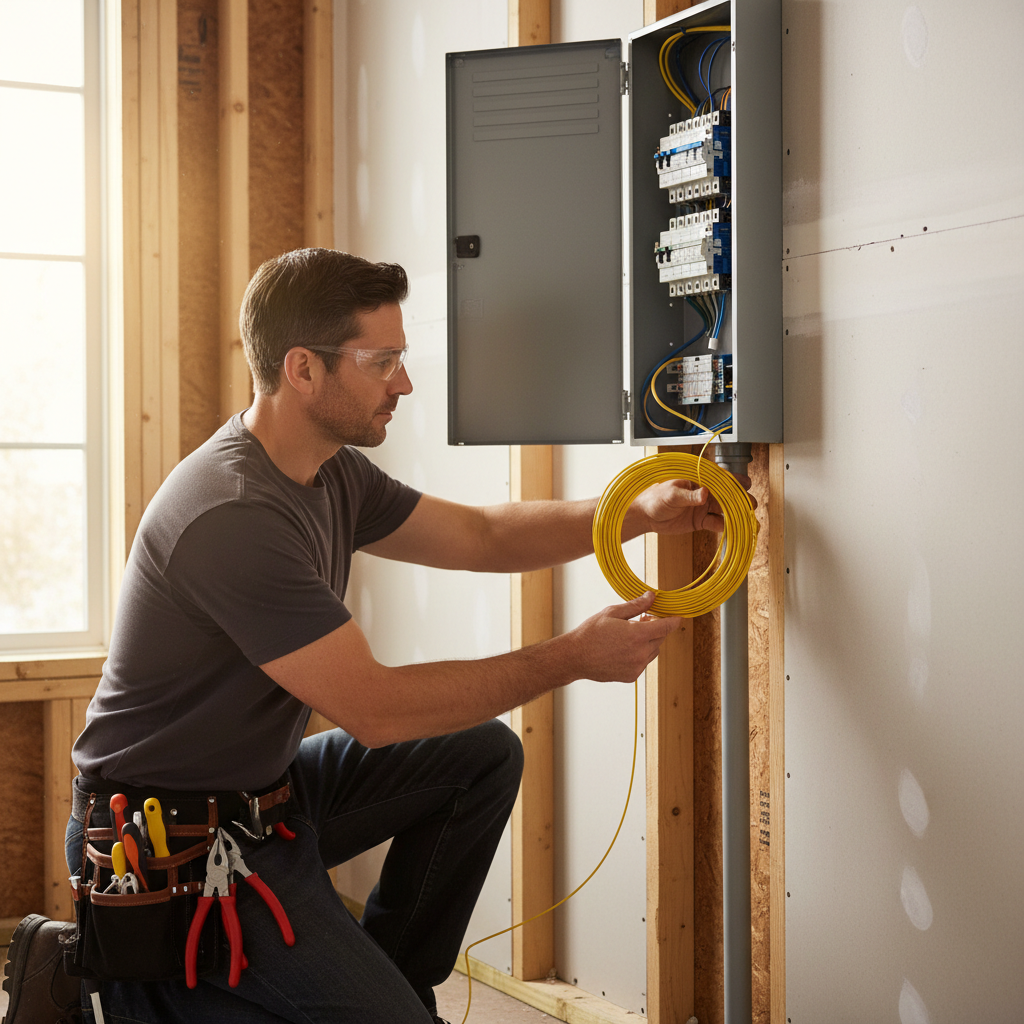
Why wire pulls fail (and what fish tape fixes)
Most “bad pulls” come from friction, geometry, or a weak connection at the leader, not from bad luck. Fish tape is meant to solve the access problem: it gets your pull line through a hidden path so you can bring conductors back the right way.
- Too many bends: Every 90° adds friction, and offset bends can make the tape want to climb a wall of the conduit.
- Rough or crowded pathways: Old EMT with burrs, flex with tight ribs, or conduit that already has cable inside increases hang-ups.
- Wrong tape material: Fiberglass can buckle in certain runs, while steel may be harder to push through complex bends, depending on length and size.
- Bad leader connection: A bulky knot, sharp edge, or weak wrap catches and peels apart under tension.
- No lube or wrong lube: Dry pulls in longer conduit often feel “fine” early, then seize halfway.
According to OSHA, avoiding makeshift methods and maintaining tools in safe working condition helps reduce injury risks on jobsites, especially around electrical work and pulling forces.
Choosing the right fish tape: steel vs fiberglass vs nylon
There is no one best tape for every run, but there is usually a best choice for your mix of conduit type, distance, and access.
Quick comparison table
| Type | Best for | Strengths | Trade-offs |
|---|---|---|---|
| Steel fish tape | Short-to-medium pulls, straighter runs | Durable, good “push,” strong pull-back | Conductive, can kink, can rust if abused |
| Fiberglass fish tape | Longer runs, safety-conscious environments | Non-conductive, resists kinks, good for distance | Can splinter if damaged, may buckle in tight bends |
| Nylon/poly pull rods (alternative) | Large conduit, complex sweeps | Stiff, directional control, great for “pushing” | Bulkier kit, not as convenient as tape reels |
If you routinely work around energized equipment, non-conductive options are common for a reason, but non-conductive does not mean risk-free. De-energizing and verifying is still the safer workflow.
How to size your fish tape (length, width, leader)
Buying a longer tape than you need feels safe, until you wrestle with a huge reel for a 30-foot run. A practical sizing choice keeps control high and frustration low.
- Length: 50 ft fits many residential tasks, 100–200 ft is common for longer conduit runs, especially in light commercial spaces.
- Width/diameter: Wider steel tapes pull stronger but take more room in small conduit; narrower tapes feed easier but may twist under load.
- Leader tip: Look for a smooth, rounded leader with an eyelet that accepts a proper pulling grip or swivel, not a sharp hook that loves to snag.
A small but real detail, the case and payout control matter: a reel that feeds smoothly reduces “spring” and helps you keep the tape from scraping insulation when you retract.
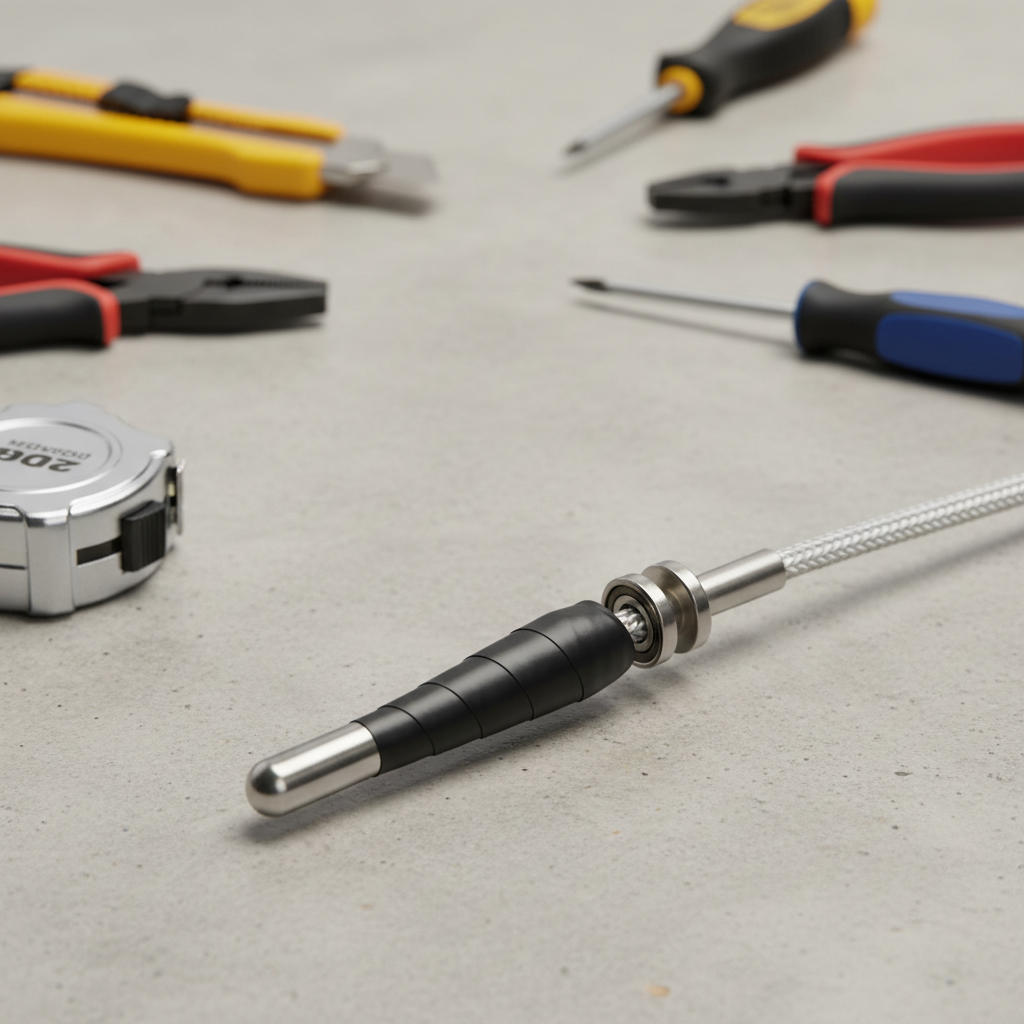
Self-check: are you using fish tape or something else?
Before you fight a run for an hour, a quick diagnostic saves time. These questions usually point to the right tool.
- Is the path an existing conduit with unknown bends? Fish tape is a good start, but pull rods or a vacuum/jet line can win on tricky geometry.
- Is there already cable in the conduit? Consider a pull line and lube, and be careful about fill limits; if it feels too tight, stop and reassess.
- Is the run over ~100 ft with multiple sweeps? Fiberglass tape or rods often behave better than thin steel that wants to coil.
- Do you need to pull multiple conductors? You might be better off pulling in a line first, then using a proper pulling grip rather than directly tying wire to the tape.
- Is there any chance the circuit is energized? Treat it as energized until verified otherwise, and consider involving a licensed electrician if you are unsure.
According to NFPA 70E, establishing an electrically safe work condition is the preferred approach before performing tasks where contact with electrical conductors could occur.
Step-by-step: fish tape electrical pulling for wire running
This is the workflow many pros stick to because it reduces snags and protects insulation. Adjust based on conduit type and access points.
1) Prep the pathway
- Confirm entry and exit points, open boxes, remove sharp-edged knockouts, and check for obvious obstructions.
- If the conduit run is old, look for burrs or crushed sections near straps and couplings.
2) Feed the tape with control
- Keep the tape aligned with the conduit, gentle pressure beats forcing it.
- When you hit resistance, pull back a foot, rotate slightly, then advance again.
3) Build a low-profile connection
- Strip minimal jacket if needed, stagger conductor ends when pulling multiple wires so the head stays slim.
- Use a swivel when possible to reduce twisting, then wrap smoothly so tape edges cannot catch.
- Leave no sticky edges exposed; friction loves loose tape tails.
4) Pull back steadily, protect insulation
- Use steady tension, avoid jerking, and keep the pull in line with the conduit exit.
- For longer runs, apply approved pulling lubricant; in many cases it turns “impossible” into “manageable.”
5) Finish clean
- Inspect the pulled conductors for scrapes or flattening, especially near bends.
- Rewind the tape slowly; that last-minute whip is where kinks happen.
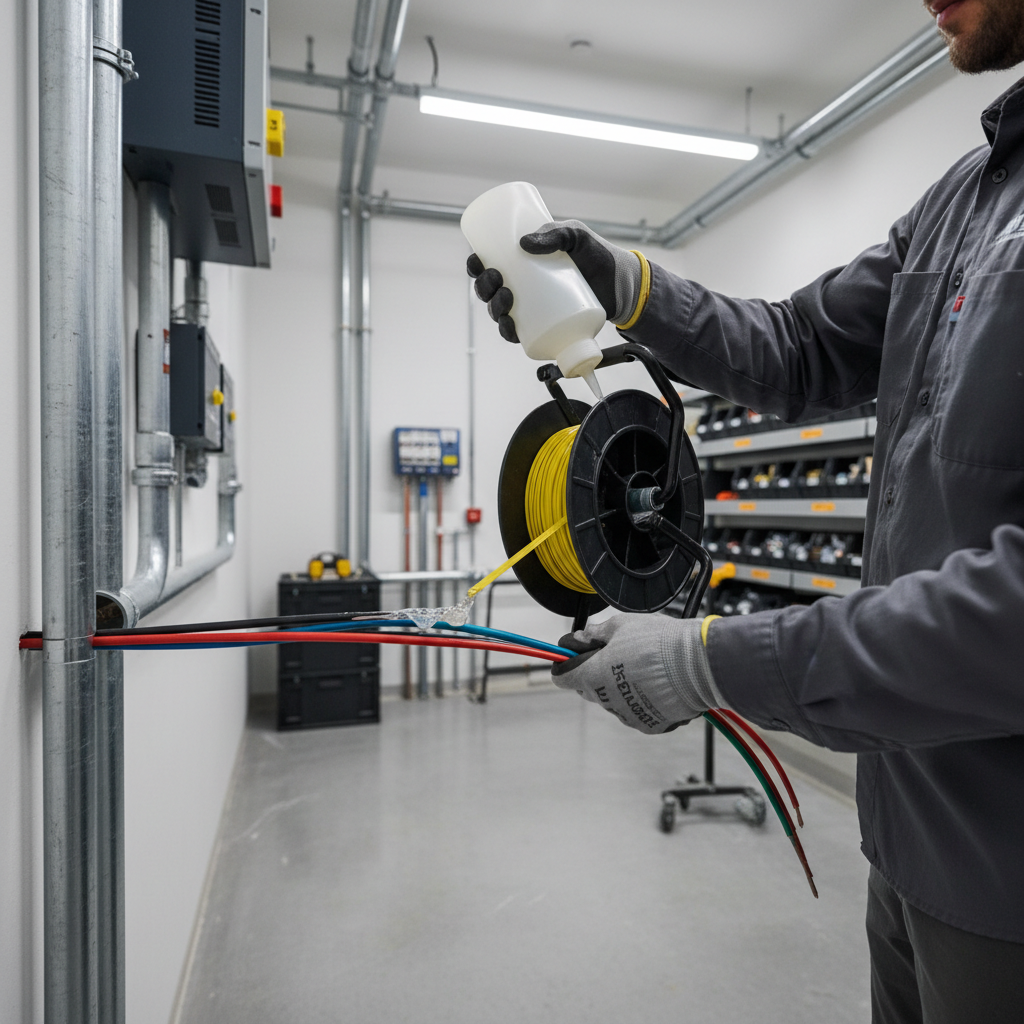
Troubleshooting: when the tape won’t pass or the pull stalls
When the tape stops, the worst move is usually more force. The better move is to figure out what kind of “stop” you have.
- Stops at the same distance every time: likely a hard obstruction, crushed conduit, or a tight bend; try the opposite direction or open an intermediate box if available.
- Feels springy and buckles: tape is coiling or climbing a bend; switching to a stiffer rod set, or feeding from the other end, often helps.
- Leader keeps snagging: smooth the connection, reduce head size, and consider adding a tapered pull head.
- Pull gets hot or squeaky: friction is high; use proper pulling lube and reduce load.
- Wire jacket shows damage: stop, inspect, and consider replacing that section; compromised insulation can become a safety issue later.
In real-world work, many stalls come from one extra bend you did not know existed, or from a connection head that is just a bit too bulky. Fix the “head” before blaming the conduit.
Safety notes and common mistakes worth avoiding
Wire pulling looks low-risk until a tape snaps back, a leader cuts a hand, or you discover the box you reached into was not dead. A few habits reduce ugly surprises.
- Do not assume a circuit is de-energized; test and follow local code and jobsite rules.
- Avoid pulling live conductors unless you are qualified and it is truly necessary, many situations call for a licensed electrician.
- Wear appropriate PPE for the environment; gloves help with tape edges, eye protection helps when tension releases.
- Do not exceed reasonable force; if you need extreme pulling, conduit fill, routing, or lubrication likely needs a rethink.
- Stop using damaged tape; splintered fiberglass and kinked steel both create failure points and can injure hands.
According to the National Electrical Code (NFPA 70), wiring methods and conductor installation must avoid damage to conductors; if your process keeps scuffing insulation, it is a sign to change the method, not just “pull harder.”
Key takeaways (the stuff you’ll actually remember on a job)
- Match tape type to the run: steel for control on simpler pulls, fiberglass for distance and non-conductive preference, rods for stubborn geometry.
- Keep the pulling head slim, most hang-ups start there.
- Use lubricant strategically on longer conduit, it is often the difference-maker.
- If it binds repeatedly, change the approach, direction, or access point instead of escalating force.
Conclusion: picking a tape is easy, running it well is the skill
Fish tape electrical pulling works best when you treat it like a controlled process, not a wrestling match. Choose a tape that fits your typical conduit and distances, build a clean low-profile leader, then pull with steady tension and the right amount of lube when friction climbs.
If you want a simple next step, check what you run most often, 1/2-inch EMT in residential remodels, longer garage-to-panel conduit, or office drops, then buy the fish tape that matches that reality instead of buying “the biggest one” and hoping.
FAQ
- What is the best fish tape for long conduit runs?
Many electricians prefer fiberglass for longer distances because it resists kinking and is non-conductive, but tight-bend layouts may still favor rods or a different feeding direction. - Can I use steel fish tape around energized circuits?
It is possible in some situations, but it raises risk because steel conducts electricity. Many jobs should be de-energized and verified; if you cannot do that confidently, consult a qualified electrician. - Why does my fish tape keep getting stuck at bends?
Common causes include a buckling tape, a leader that catches, or an offset bend. Pull back slightly, rotate, and try again, if it fails repeatedly, switch ends or use pull rods. - Should I pull wire directly with fish tape or pull in a line first?
For short simple pulls, direct pulling can work, but for multiple conductors or longer runs, pulling in a line first often reduces damage and makes future pulls easier. - Do I need wire pulling lubricant for every run?
Not always. Short open runs may not need it, but longer conduit with sweeps often benefits, and it can reduce jacket damage from friction. - How do I connect wire to fish tape without making a bulky head?
Stagger conductor ends, keep wraps smooth, and avoid sharp edges. A swivel and a tapered wrap usually travel better through bends than a big knot. - What if the fish tape comes out but I can’t pull the wire back?
That usually points to friction, conduit fill, or a weak connection. Rebuild the leader, add lube, and reduce the bundle size; if it still will not move, stop and reassess the pathway.
If you are running wire regularly and want a more predictable workflow, it may help to build a small “pulling kit” around your fish tape, a few swivels, pulling line, and an approved lubricant, so you spend less time improvising and more time finishing clean runs.