
Locking grip pliers with cutter are one of those tools you don’t appreciate until you’re trying to hold a rounded bolt, pinch a bracket in place, and still need to snip a tie or wire without switching tools.
That convenience is the obvious win, but the real value is control: a locking mechanism keeps steady pressure on the work, while the cutter handles quick trims that would otherwise interrupt your setup.
A lot of buyers get tripped up by the details, though, cutter placement, jaw style, and whether the “wire cutter” is meant for soft wire only or occasional harder wire. This guide breaks down what matters, how to choose, and how to use them without wrecking the jaws or the cutting edges.
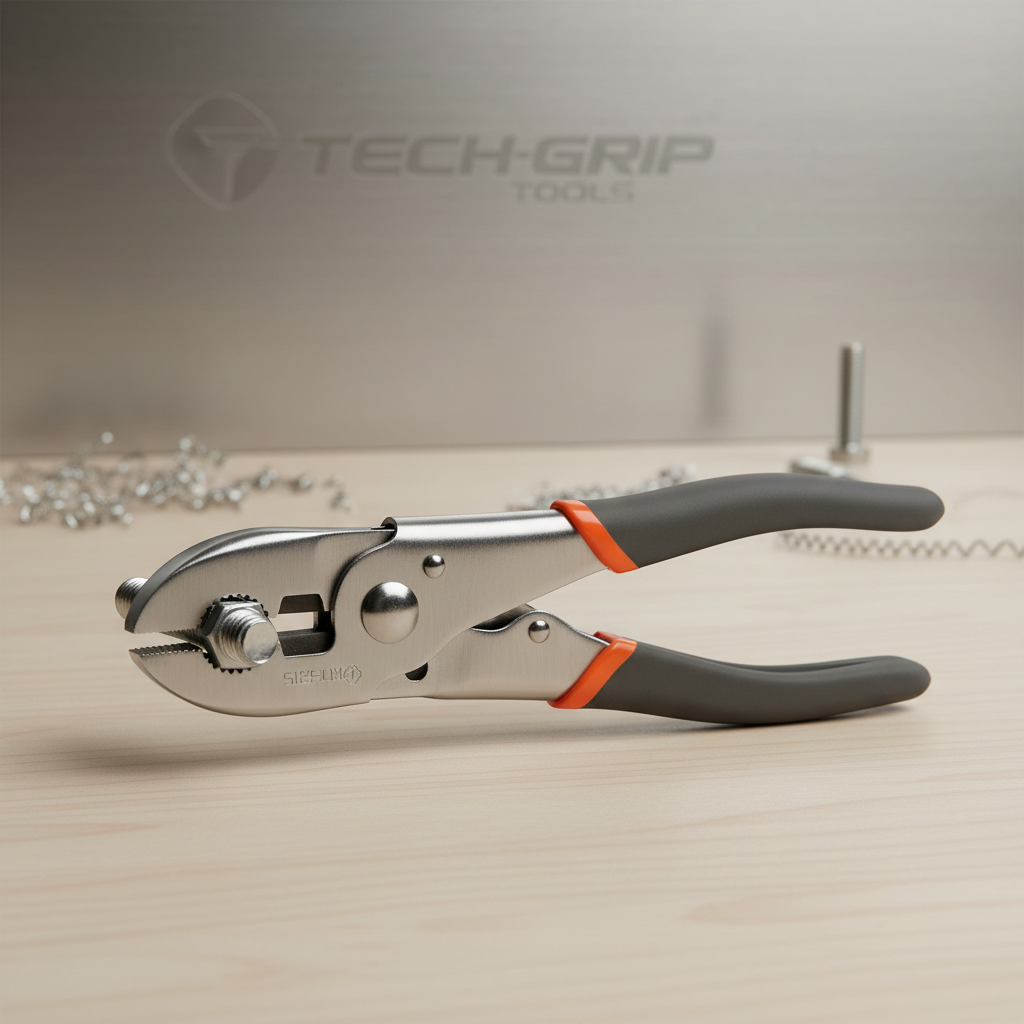
What “with wire cutter” really means (and what it doesn’t)
On most locking pliers, the cutter is a small shear edge near the pivot, designed for quick snips while the jaws stay clamped. It’s practical, but it’s not a substitute for dedicated diagonal cutters or cable cutters.
In many product lines, the cutter handles things like mechanics wire, small gauge copper, zip ties, and light fence wire. When brands don’t specify hardness ratings, assume “general-purpose” rather than “cut anything.” If you routinely cut hardened wire, you’ll want tools that state that use-case clearly.
According to OSHA, using the right tool for the job is part of basic hand-tool safety, including avoiding misuse that can cause tool failure or flying debris. That translates well here: treat the cutter as a convenience feature, not a challenge.
Why this combo tool is popular in real jobs
People don’t buy locking pliers because they’re fun to look at, they buy them because they solve ugly little problems. The cutter just makes the workflow smoother.
- One-hand stability: clamp and keep pressure while you reposition your other hand, especially on awkward angles.
- Fewer tool swaps: hold a part steady, then trim a tag end or tie without letting go.
- Better grip on damaged hardware: rounded fasteners, chewed heads, stuck fittings, this is where locking jaws earn their keep.
- Field repairs: automotive, HVAC, farm, and light industrial work often rewards “good enough, right now” tools.
That said, the cutter becomes less important if you work mostly with fasteners and rarely trim anything. In that case, jaw geometry and build quality matter more than the cutting edge.
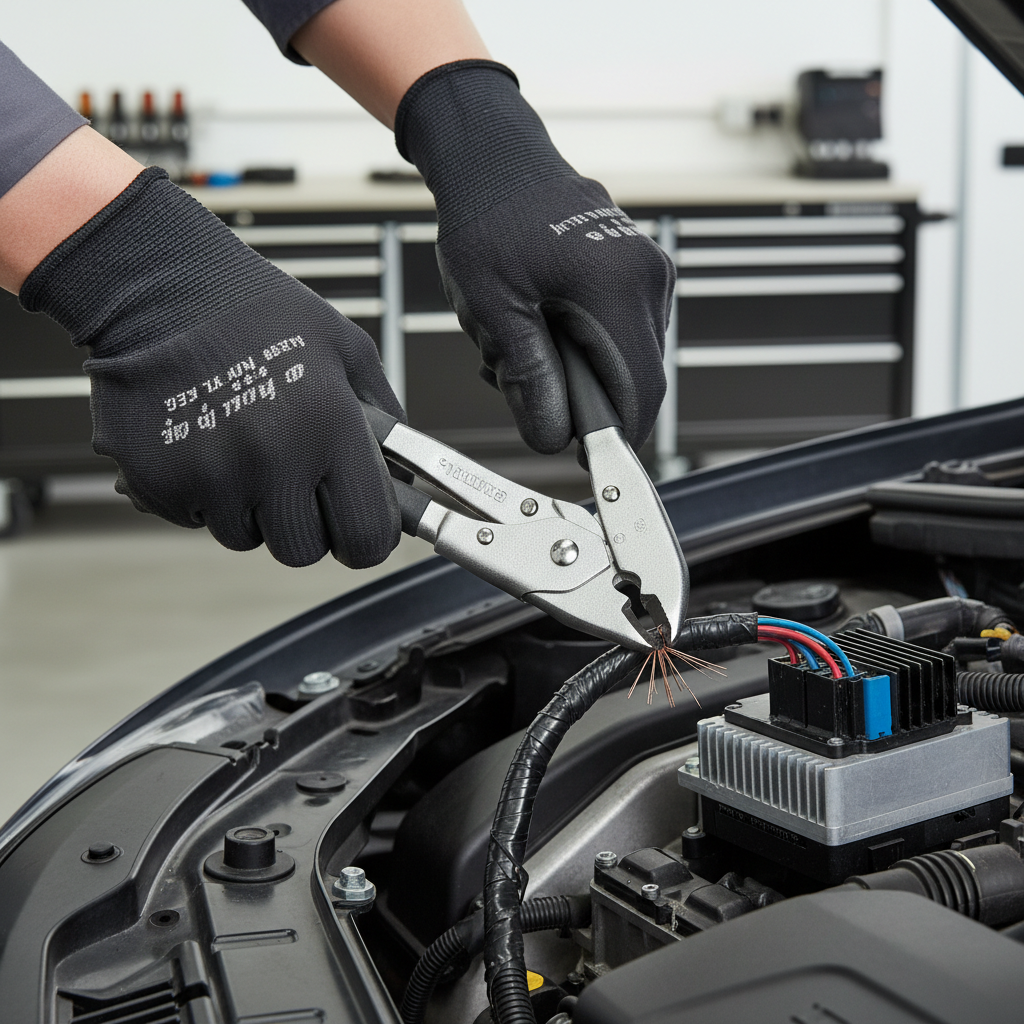
Choosing the right locking grip pliers with cutter
Most disappointment comes from buying the wrong jaw style or expecting the cutter to behave like a hardened, precision cutter. Use these selection points to narrow it down.
Jaw style: pick for the shape you actually grab
- Curved jaws: the everyday choice for bolts, pipes, and mixed shapes.
- Straight jaws: better contact on flat stock and square edges, less “roll” on flat surfaces.
- Long-nose: reach into tight spots, hold small parts, typically less clamping surface area.
- C-clamp/locking clamp style: more like a clamp than pliers, great for fabrication setups.
Size: don’t default to the biggest
A 10-inch tool is versatile, but smaller sizes often feel more controllable for electrical work, hose clamps, and interior spaces. Larger sizes shine on stuck hardware, thicker stock, and bigger hands.
Cutting edge expectations
Look for product notes that mention wire types or gauges. If a listing is vague, assume light to medium duty cutting. If you need repeated cuts on tougher wire, plan on a dedicated cutter even if you buy a locking plier with the feature.
Adjustment and release feel
The screw adjustment should turn smoothly and hold its setting, the release lever should open without a fight. A stiff release is more than annoying; it encourages twisting the tool open, which can misalign jaws over time.
Quick self-check: is this tool the right fit for you?
If you’re on the fence, this quick checklist usually makes the decision obvious.
- You often need to hold and cut within the same minute, not as two separate tasks.
- You deal with rounded bolts, stripped fasteners, or odd shapes where a normal wrench slips.
- You’re okay with the cutter handling occasional snips, not production cutting.
- You have space to carry one multi-function tool, but not a full pouch for every small job.
If most of your work is clean electrical cutting, or you cut hardened wire routinely, you may still buy locking pliers, but the “with cutter” part shouldn’t drive the purchase.
Use them well: practical steps that prevent damage
Locking pliers feel indestructible, but the fastest way to ruin them is over-clamping or using the cutter on material it wasn’t meant to shear.
Clamping without crushing
- Set the adjustment screw so the jaws close with firm resistance at the end of the handle squeeze, not a violent snap.
- On softer materials, use a scrap shim or a small piece of leather to reduce marring.
- If you’re twisting to break something free, keep the pull aligned with the tool, side-loading can tweak jaw alignment.
Cutting without chipping the edge
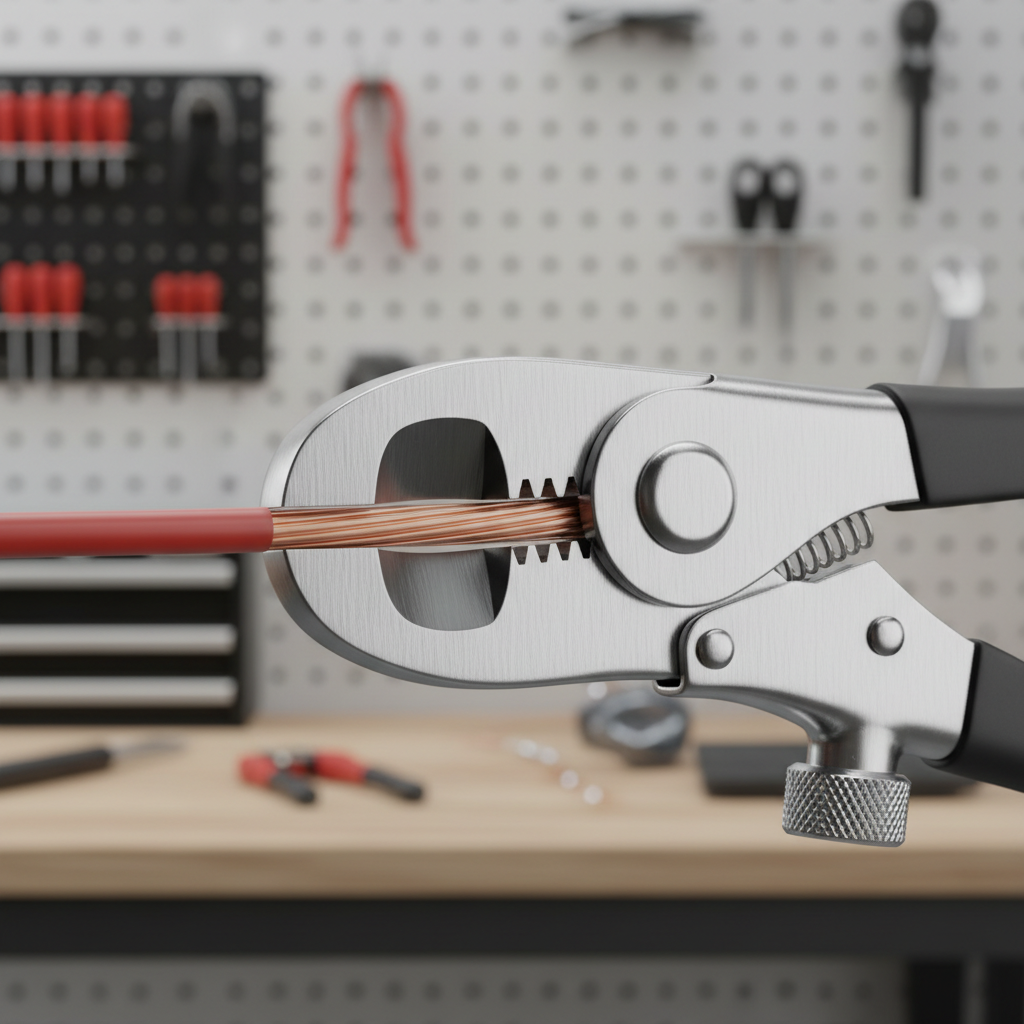
- Place the wire deep into the cutter area near the pivot where leverage is strongest.
- Cut with steady pressure, avoid a jerking motion that can nick the edge.
- If the cut feels “springy” or you hear a sharp ping, stop and reassess, that’s often a sign the material is too hard.
According to ANSI guidance on hand tools, tools should be inspected before use and taken out of service when damaged. For this tool, that means checking jaw teeth, pivot tightness, and any visible chips on the cutting edge.
Comparison table: jaw types, best uses, and trade-offs
Here’s a practical way to match tool style to what you’re doing most days.
| Type | Best for | Where it struggles | Who should buy |
|---|---|---|---|
| Curved jaw w/ cutter | General repairs, rounded bolts, mixed shapes | Flat stock can slip if you clamp off-angle | Most DIYers, mechanics |
| Straight jaw w/ cutter | Flat bar, sheet metal edges, square stock | Less forgiving on round pipe | Fabrication, shop work |
| Long-nose w/ cutter | Tight access, small parts, clips | Lower clamping surface, easier to twist | Electricians, interior work |
| C-clamp locking style | Holding panels, welding/fitting setups | Not a “grab and twist” tool | Metalwork, assembly |
Mistakes people make (and how to avoid them)
- Cranking the adjustment screw every time: over-tightening accelerates wear and can round jaw teeth, set it once for the task and make small tweaks.
- Using the cutter on hardened materials: if you routinely cut hard wire, treat this as a backup, not your main cutter.
- Twisting the tool to release it: use the release lever, twisting puts stress on the pivot and can misalign jaws.
- Clamping on chrome or finished surfaces: the teeth bite, use padding or choose a non-marring option for cosmetic surfaces.
- Ignoring early damage: chipped cutter edges and sloppy pivots tend to get worse fast once they start.
When to consider a pro-grade option or expert help
If you’re using locking grip pliers with cutter daily on job sites, small differences in steel quality, pivot design, and handle ergonomics matter more than most listings admit. In those cases, it can be worth stepping up to a pro-grade line with clearer specs and better parts consistency.
If your work involves energized electrical systems, pressurized lines, or critical load-bearing hardware, it’s smart to ask a qualified professional about the correct procedure and safety controls. A clamped part that slips at the wrong moment can turn into an injury or equipment damage, and that’s not the place to “make it work.”
Key takeaways
- Buy for jaw style first, then treat the cutter as a convenience feature.
- Use the cutter for light to medium snips unless the tool explicitly states tougher capability.
- Set clamping pressure deliberately, too tight causes damage, too loose causes slipping.
- Inspect the cutting edge and pivot if performance changes, small chips become big problems.
Conclusion: a simple tool that saves real time
If your work often involves holding awkward parts and doing quick trims, locking grip pliers with cutter earn a spot in the drawer because they reduce tool changes and keep your setup stable. Choose the jaw style that matches what you grab most, keep expectations realistic on cutting tough wire, and you’ll get a tool that feels genuinely useful instead of gimmicky.
If you want one action step, check your most common “grab shape” this week, round fasteners, flat stock, tight access, then buy the matching jaw style and a size you’ll actually reach for.
FAQ
Are locking grip pliers with cutter good for electrical wire?
They can be fine for occasional snips on softer copper wire, especially when you need the clamp more than the cut. For frequent electrical cutting and clean ends, dedicated diagonal cutters usually feel better and reduce the chance of a messy cut.
Can the built-in cutter handle hardened wire or nails?
Sometimes, but many models are not designed for repeated hardened cuts. If the product description doesn’t clearly support hardened materials, it’s safer to assume light to medium duty and use a purpose-built cutter for tougher stock.
What jaw style should I pick for rounded bolts?
Curved jaws are the common choice because they bite on round shapes from multiple angles. If you mostly work on flat surfaces, straight jaws often clamp more predictably.
Why do my locking pliers slip even when they feel tight?
Often it’s jaw alignment, worn teeth, oil on the workpiece, or clamping on an edge where the jaws can’t seat fully. Cleaning the jaws and adjusting for a firm final squeeze usually helps more than just tightening the screw aggressively.
How do I keep from damaging surfaces when clamping?
Add a thin shim like leather, cardboard, or a scrap of aluminum, and tighten only to the minimum pressure that holds. If appearance matters a lot, consider non-marring jaw covers or a different clamping tool.
Where should the wire sit for the cleanest cut?
Place it deep in the cutter near the pivot. That area typically delivers better leverage and a more controlled shear than trying to cut near the tip.
Is it worth paying more for a pro-grade locking plier?
If you use them frequently, yes, smoother adjustment, more consistent jaw alignment, and better steel can reduce frustration over time. For occasional home use, a solid mid-range tool is often enough if you don’t abuse the cutter.
If you’re trying to standardize a small tool kit for a shop truck or home garage, it often helps to pick one dependable locking grip plier size, then add a dedicated cutter for the wire you handle most, that combo stays simple without asking one tool to do everything.