
Garden edger tool manual hand use is usually the quickest way to turn a fuzzy lawn border into a clean, intentional edge without dragging out power equipment.
If your grass keeps creeping into mulch, your sidewalk line looks wavy, or trimming turns into a weekly annoyance, a manual edger is one of those simple tools that can change how “finished” your yard feels.
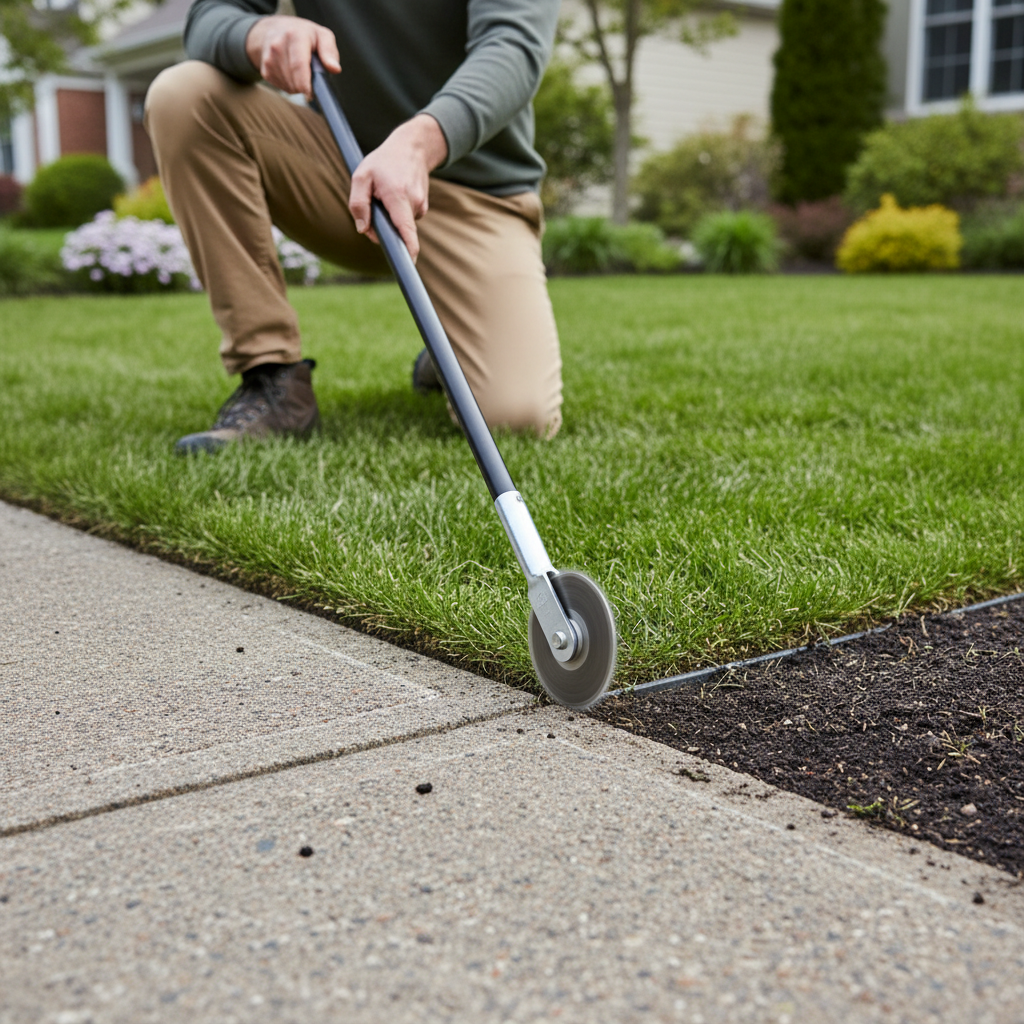
People often assume edging requires a powered stick edger or a landscaping crew, but many borders are easier to control by hand, especially around beds, pavers, and tight corners. This guide breaks down when a manual tool makes sense, how to pick the right style, and how to get results that last longer than a weekend.
Why lawn edges get messy (and what a manual edger actually fixes)
Most “bad edging” is not really about skill, it’s about growth habits and boundary design. A manual edger helps you re-establish a physical line, which makes mowing and trimming easier afterward.
- Grass spreads sideways through stolons or rhizomes, so it naturally invades mulch beds and cracks.
- Mulch settles and moves after rain or watering, making yesterday’s crisp edge look soft.
- String trimming can scallop edges and quietly shave soil away, leaving uneven dips.
- Foot traffic compacts soil along walkways, and the border becomes jagged instead of straight.
According to USDA Natural Resources Conservation Service (NRCS)... healthy soil structure and managing compaction matter for water movement and root behavior, and compacted edge zones often need a cleaner cut and occasional reshaping rather than more trimming.
Manual hand edger types: which one fits your yard
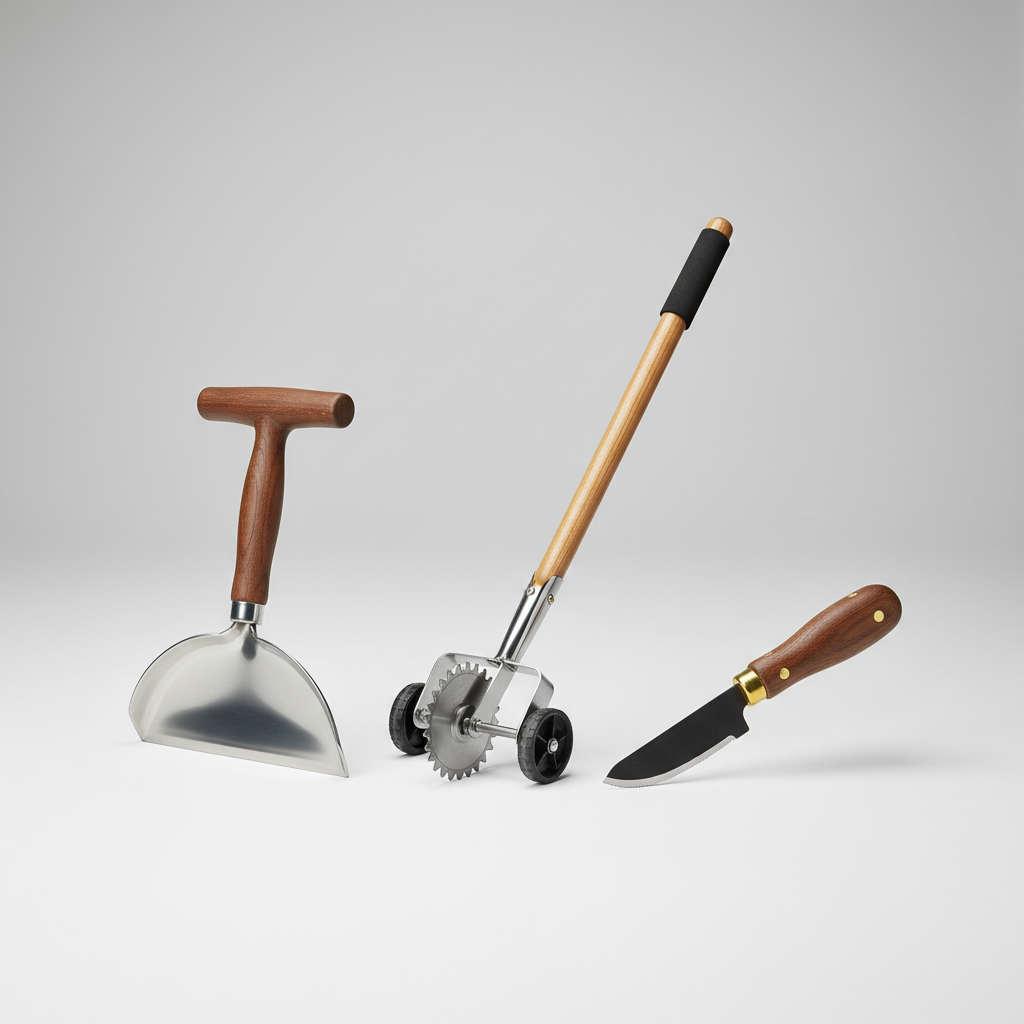
“Manual edger” covers a few different tools. The best choice depends on soil hardness, the shape of your borders, and how often you want to edge.
Half-moon (step) edger
A curved blade you step on, then rock forward to slice a line. Great for redefining bed edges and cutting through turf quickly.
- Best for: creating or re-cutting a bed boundary
- Watch-outs: can bounce in rocky soil, needs body weight to push
Wheel edger (rolling manual edger)
A small wheel with a vertical blade you roll along a sidewalk or driveway. It tends to produce straighter, more consistent lines on hard edges.
- Best for: sidewalks, curbs, long straight borders
- Watch-outs: less useful for tight curves and deep bed reshaping
Handheld edging knife / hori-hori style
More like a sturdy garden knife than a step tool, helpful for detail work, corners, and around irrigation heads.
- Best for: precision spots, small beds, touch-ups
- Watch-outs: slower for long runs, wrist fatigue if you overuse it
Quick decision checklist: do you need a manual edger or something else?
If you’re on the fence, these checks usually point you in the right direction.
- Choose manual if you edge 1–2 times per month, want cleaner lines, and have manageable soil.
- Consider powered edging if you have hundreds of feet of curb line, very compacted clay, or you maintain multiple properties.
- Fix the border design first if water runoff constantly washes mulch onto the lawn or your bed has no defined boundary at all.
A simple rule: if you can push a shovel spade into the edge zone with your foot, a garden edger tool manual hand setup will usually work fine with good technique.
How to edge by hand: a practical step-by-step that looks “pro”
Garden edger tool manual hand results come from two things: a consistent guide line and the right depth. Too shallow looks sloppy, too deep creates a trench that collapses.
1) Pick your guide line before you cut
For sidewalks and driveways, use the concrete as your guide. For beds, lay a hose in the shape you want and step back to check the curve.
2) Soften the soil if needed
If your soil is dry or compacted, edging becomes a wrestling match. Light watering the day before often makes the cut cleaner and reduces tearing, but avoid muddy conditions where the edge slumps.
3) Cut in passes, not in one heroic plunge
- With a half-moon edger: step, cut, pull back, then move forward a few inches.
- With a wheel edger: keep the blade tight to the hard edge, walk slowly, and correct early if you drift.
4) Remove the “ribbon” and reset the bed face
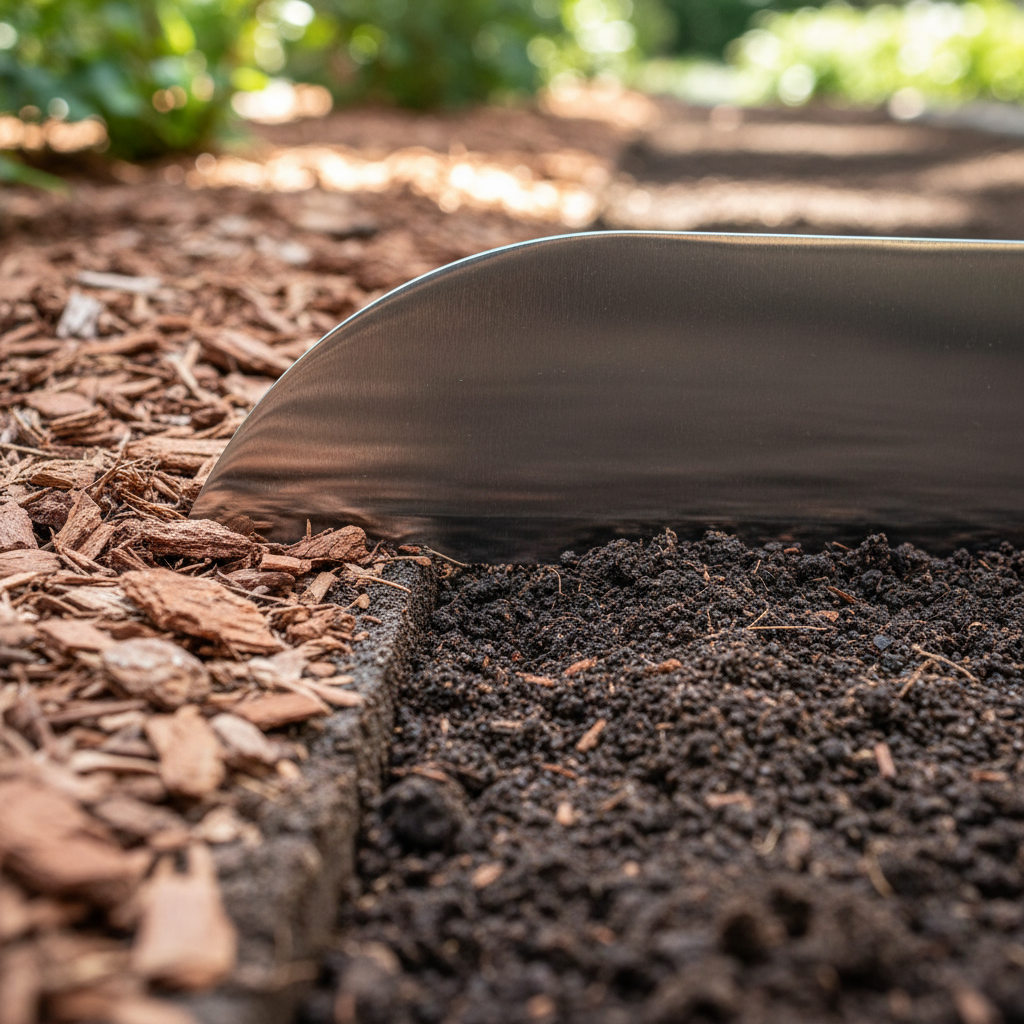
Once the line is cut, pull out the thin strip of turf and soil that’s on the bed side. If you leave it, grass often re-roots. Then smooth the bed face with a spade so the edge reads as a clean vertical wall.
5) Finish with mulch discipline
Keep mulch slightly below the top of the edge. Overfilled mulch is one of the fastest ways to lose the crisp line you just made.
Comparison table: choose a tool setup that matches your constraints
This table is intentionally practical, not “best tool wins,” because your yard conditions decide more than marketing does.
| Tool type | Best use | Soil it likes | Learning curve | Typical upkeep |
|---|---|---|---|---|
| Half-moon step edger | Re-cutting bed edges, shaping curves | Loam, moderately firm clay | Low to medium | Blade sharpening, handle check |
| Wheel manual edger | Sidewalks, long straight borders | Most soils if not rock-hard | Low | Blade cleaning, wheel alignment |
| Edging knife / hori-hori | Detail work, corners, around sprinklers | Loose to medium soils | Medium | Sharpening, rust prevention |
Common mistakes that waste effort (and how to avoid them)
- Edging too often without resetting the bed turns into endless trimming. Re-cut the line, remove the ribbon, then maintain.
- Cutting at random depth makes the border look wavy. Aim for consistent depth, and keep your steps evenly spaced.
- Trying to edge bone-dry clay usually causes tearing and frustration. Moist soil edges cleaner, but mud collapses, so timing matters.
- Mulch piled high against the grass invites grass to creep in and hides the edge line.
- Ignoring blade sharpness leads to ragged cuts. A sharper edge means less force and fewer slips.
Maintenance, safety, and when to get help
Manual tools are simple, but they still bite if you treat them casually. Gloves and closed-toe shoes are a sensible baseline, and eye protection is smart if you hit rocky soil.
- Clean after use: soil holds moisture, which encourages rust.
- Sharpen periodically: a file or sharpening stone usually works, but follow the manufacturer’s guidance for your blade angle.
- Check handle tightness: a loose socket can twist mid-cut and cause slips.
If you have recurring back pain, knee issues, or limited mobility, this work can aggravate symptoms. In that situation, it may be worth asking a landscaping professional for a one-time “edge reset,” then maintaining it lightly. If you suspect you might cut into buried irrigation, low-voltage lighting, or shallow utilities, consider calling 811 before deeper digging. According to Common Ground Alliance... contacting 811 before digging helps reduce the risk of striking underground lines, and edging close to hardscapes can still involve shallow excavation.
Key takeaways and a simple plan for your next weekend
If you want a cleaner yard without adding another loud machine, a garden edger tool manual hand approach is often the sweet spot: controlled, affordable, and surprisingly fast once you get a rhythm.
- Re-cut the edge (not just trim it), remove the turf ribbon, then maintain.
- Match the tool to the border: wheel for long straight runs, half-moon for beds, knife for tight spots.
- Time it right: slightly moist soil cuts cleaner than dry clay or mud.
Pick one border this week, do a careful reset, and see how much easier mowing looks next time. That quick win usually makes the rest of the yard feel manageable.
FAQ
How deep should I cut when edging a lawn by hand?
Many homeowners aim for a consistent cut that forms a visible vertical line without creating a trench. If the edge collapses or you expose lots of roots, you’re probably going deeper than needed for routine maintenance.
Is a manual edger better than a string trimmer for sidewalks?
For crisp lines along concrete, a manual wheel edger often stays straighter than a trimmer because the hard edge acts as a guide. A trimmer can still work, but it’s easier to “scallop” the line if your hand angle varies.
Can a manual hand edger cut through compacted clay soil?
It can, but it depends on how compacted and how dry the clay feels. Light watering ahead of time and cutting in passes usually makes the job realistic, otherwise it turns into a lot of force for uneven results.
How often should I edge my lawn to keep it looking sharp?
In many yards, a deeper reset a few times per season plus quick touch-ups works better than constant trimming. Growth rate, grass type, and irrigation habits change the schedule, so watch how fast the border blurs.
What’s the easiest manual tool for a beginner?
A wheel edger is usually the most forgiving on straight runs because it naturally tracks the walkway. If your yard has lots of curves and beds, a half-moon edger feels more flexible once you get comfortable stepping and rocking the blade.
Should I edge before or after mowing?
Edging before mowing often makes cleanup easier because the mower can pick up some loose debris, but either order works if you plan to tidy the ribbon and soil clumps afterward.
Will edging damage sprinkler lines or landscape lighting?
It can if lines are shallow or poorly mapped. If you’re near irrigation heads, valve boxes, or lighting runs, slow down, use a handheld edging knife for control, and consider marking known line paths before you cut.
Need a simpler setup?
If you’re trying to choose between a wheel edger and a step edger, or you want a manual kit that matches your sidewalk runs and bed shapes, a quick checklist and a couple of yard photos usually make the choice clearer, and it can save you from buying a tool that feels right in the store but fights your soil at home.